Alabama Senate passes ‘Trey’s Law,’ limiting NDAs in abuse settlement agreements
January 22, 2026 | Senate, Alabama Legislative Sessions, Alabama
This article was created by AI summarizing key points discussed. AI makes mistakes, so for full details and context, please refer to the video of the full meeting. Please report any errors so we can fix them. Report an error »
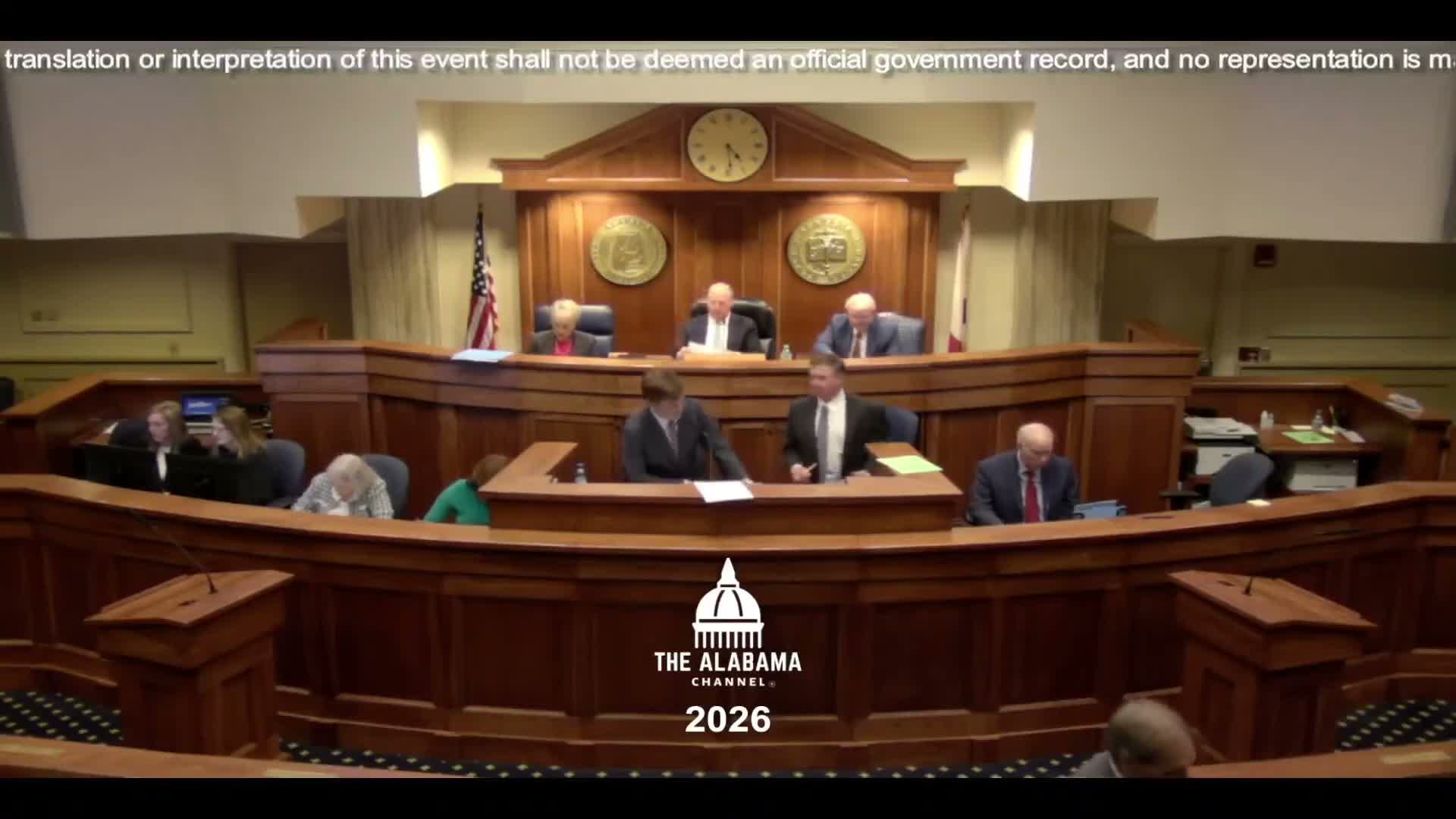
The Alabama Senate on Thursday approved Senate Bill 30, known as "Trey’s Law," making certain nondisclosure agreement (NDA) provisions unenforceable as they relate to abuse victims. Sen. Woods, sponsor of the bill, framed it as a measure to allow survivors to speak about abuse after settlements that previously barred them from discussing their experience.
"NDAs are a legal mechanism that were created to protect trade secrets, not trauma secrets," Sen. Woods said while describing the bill and the case that inspired it. Woods said the bill arose from a Walker County constituent family's experience and national movement to adopt similar laws in other states.
Opponents urged caution about unintended consequences. Sen. Albritton said the bill could reduce the ability of some institutions to resolve claims through settlement and suggested that eliminating NDAs as a tool might harm the ability to secure institutional cooperation in some cases. "If we pass this, we could be doing damage to institutions, including churches, including those not-for-profit organizations that are doing their best to do good in the communities," he said, urging members to consider potential downstream effects.
Supporters disputed that the bill would leave victims worse off. Sen. Figures and others praised the measure as advancing victim rights and transparency. "You have my full support with this bill," Sen. Figures said, urging colleagues to vote in favor and calling the bill "about protecting our children." Several other senators voiced support during floor debate.
Sen. Smitherman asked for clarification on implementation, querying whether local action would be required to trigger the change; the sponsor and colleagues explained the bill's intended scope and procedural application.
The Senate moved final passage by a recorded vote: 29 ayes, 0 nays and 1 abstention. The bill passed and will proceed to the next step in the legislative process.
The debate included extended floor remarks outlining the factual background cited by the sponsor, questions about legal and institutional consequences from opponents, and statements of support emphasizing survivor-centered policy. The chamber adjourned after completing the day's calendar; next procedural steps for SB30 were not recorded in this transcript.
"NDAs are a legal mechanism that were created to protect trade secrets, not trauma secrets," Sen. Woods said while describing the bill and the case that inspired it. Woods said the bill arose from a Walker County constituent family's experience and national movement to adopt similar laws in other states.
Opponents urged caution about unintended consequences. Sen. Albritton said the bill could reduce the ability of some institutions to resolve claims through settlement and suggested that eliminating NDAs as a tool might harm the ability to secure institutional cooperation in some cases. "If we pass this, we could be doing damage to institutions, including churches, including those not-for-profit organizations that are doing their best to do good in the communities," he said, urging members to consider potential downstream effects.
Supporters disputed that the bill would leave victims worse off. Sen. Figures and others praised the measure as advancing victim rights and transparency. "You have my full support with this bill," Sen. Figures said, urging colleagues to vote in favor and calling the bill "about protecting our children." Several other senators voiced support during floor debate.
Sen. Smitherman asked for clarification on implementation, querying whether local action would be required to trigger the change; the sponsor and colleagues explained the bill's intended scope and procedural application.
The Senate moved final passage by a recorded vote: 29 ayes, 0 nays and 1 abstention. The bill passed and will proceed to the next step in the legislative process.
The debate included extended floor remarks outlining the factual background cited by the sponsor, questions about legal and institutional consequences from opponents, and statements of support emphasizing survivor-centered policy. The chamber adjourned after completing the day's calendar; next procedural steps for SB30 were not recorded in this transcript.
Don't Miss a Word: See the Full Meeting!
Go beyond summaries. Unlock every video, transcript, and key insight with a Founder Membership.
✓
Get instant access to full meeting videos
✓
Search and clip any phrase from complete transcripts
✓
Receive AI-powered summaries & custom alerts
✓
Enjoy lifetime, unrestricted access to government data
30-day money-back guarantee
