CareerTech urges $68 million increase, highlights enrollment and workforce gains
January 22, 2026 | 2026 Legislature OK, Oklahoma
This article was created by AI summarizing key points discussed. AI makes mistakes, so for full details and context, please refer to the video of the full meeting. Please report any errors so we can fix them. Report an error »
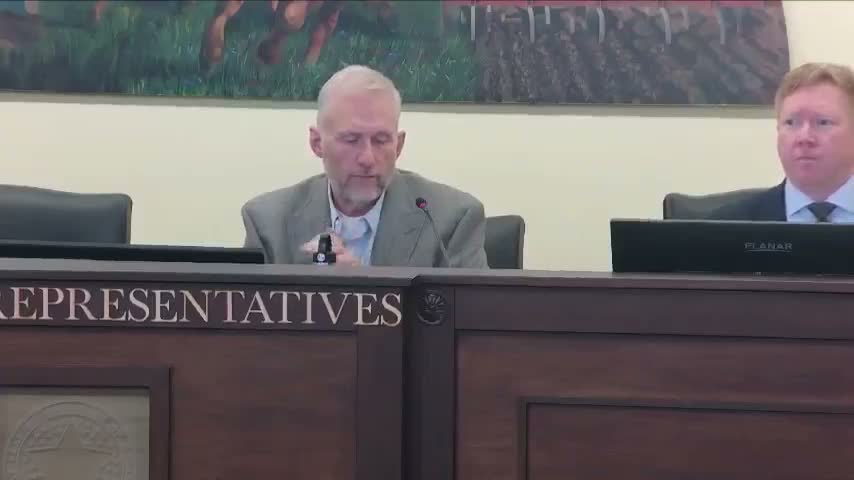
Director Haken told the House A&B Subcommittee on Education that Oklahoma CareerTech is asking the Legislature for a $68 million increase to expand workforce training, K‑12 career‑tech programs and middle‑school career exploration.
Haken said recent one‑time and base investments have driven rapid growth: the agency reached its five‑year enrollment goal of 150,000 students in three years and reported a current grand total enrollment of 34,436, an almost 5,000‑student year‑over‑year increase. "We started making changes in how we operated, rules that we had, and then also getting some investments from the legislature, and we've seen now the needle start to move," she told committee members.
The budget request includes three priorities the director detailed to the panel: $1.3 million to cover a rising flex benefit allowance for employees; a workforce training and technology centers package (including a specified $1.5 million for apprenticeship supports and additional funds for full‑time training); and K‑12 program expansion funding to maintain and grow programs offered in partnership with local school districts.
Haken gave concrete cost examples to illustrate program funding needs. CFO Lisa Bachelder said starting an agricultural (FFA) program carries an agency support package of about $26,277 that covers required summer pay and program assistance. Haken described a local TAP‑style middle‑school career exploration program that costs about $950,000 a year in one community and urged scaled, grant‑style support statewide.
On implementation and equity, Haken proposed a one‑time $250,000 grant per district to help communities start programs immediately rather than waiting on ad valorem revenue; she said the one‑time grants would be awarded when a district’s local vote to join a tech center or start a program passes. Haken argued the state investment can leverage substantial local buy‑in, saying one $10 million state infusion could bring an estimated $35 million in local investment into the system.
Committee members pressed on outcomes and accountability. Haken said CareerTech’s placement rate is 94% when defined as a graduate who enters continued education, begins a job, or enters the military, but noted the agency can currently track placement reliably for only one year after program completion. "We call every student a year out to see where their placement is," she said, and added the agency is working with regional partners and the state workforce commission on longer‑term data solutions.
Haken also described a funding‑formula guardrail: programs must reach 60% occupancy and meet placement benchmarks for continued state funding, which she said helps shift resources away from low‑demand programs and toward in‑demand trades like welding, HVAC and electrical work.
The subcommittee did not take a vote; Haken’s presentation and the committee Q&A provided the committee with cost examples and program metrics members said they will use as they consider CareerTech’s FY27 budget request.
Haken said recent one‑time and base investments have driven rapid growth: the agency reached its five‑year enrollment goal of 150,000 students in three years and reported a current grand total enrollment of 34,436, an almost 5,000‑student year‑over‑year increase. "We started making changes in how we operated, rules that we had, and then also getting some investments from the legislature, and we've seen now the needle start to move," she told committee members.
The budget request includes three priorities the director detailed to the panel: $1.3 million to cover a rising flex benefit allowance for employees; a workforce training and technology centers package (including a specified $1.5 million for apprenticeship supports and additional funds for full‑time training); and K‑12 program expansion funding to maintain and grow programs offered in partnership with local school districts.
Haken gave concrete cost examples to illustrate program funding needs. CFO Lisa Bachelder said starting an agricultural (FFA) program carries an agency support package of about $26,277 that covers required summer pay and program assistance. Haken described a local TAP‑style middle‑school career exploration program that costs about $950,000 a year in one community and urged scaled, grant‑style support statewide.
On implementation and equity, Haken proposed a one‑time $250,000 grant per district to help communities start programs immediately rather than waiting on ad valorem revenue; she said the one‑time grants would be awarded when a district’s local vote to join a tech center or start a program passes. Haken argued the state investment can leverage substantial local buy‑in, saying one $10 million state infusion could bring an estimated $35 million in local investment into the system.
Committee members pressed on outcomes and accountability. Haken said CareerTech’s placement rate is 94% when defined as a graduate who enters continued education, begins a job, or enters the military, but noted the agency can currently track placement reliably for only one year after program completion. "We call every student a year out to see where their placement is," she said, and added the agency is working with regional partners and the state workforce commission on longer‑term data solutions.
Haken also described a funding‑formula guardrail: programs must reach 60% occupancy and meet placement benchmarks for continued state funding, which she said helps shift resources away from low‑demand programs and toward in‑demand trades like welding, HVAC and electrical work.
The subcommittee did not take a vote; Haken’s presentation and the committee Q&A provided the committee with cost examples and program metrics members said they will use as they consider CareerTech’s FY27 budget request.
View the Full Meeting & All Its Details
This article offers just a summary. Unlock complete video, transcripts, and insights as a Founder Member.
✓
Watch full, unedited meeting videos
✓
Search every word spoken in unlimited transcripts
✓
AI summaries & real-time alerts (all government levels)
✓
Permanent access to expanding government content
30-day money-back guarantee
