Virginia senator marks federal ruling that overturns lifetime felony-voting ban
January 24, 2026 | 2026 Legislature VA, Virginia
This article was created by AI summarizing key points discussed. AI makes mistakes, so for full details and context, please refer to the video of the full meeting. Please report any errors so we can fix them. Report an error »
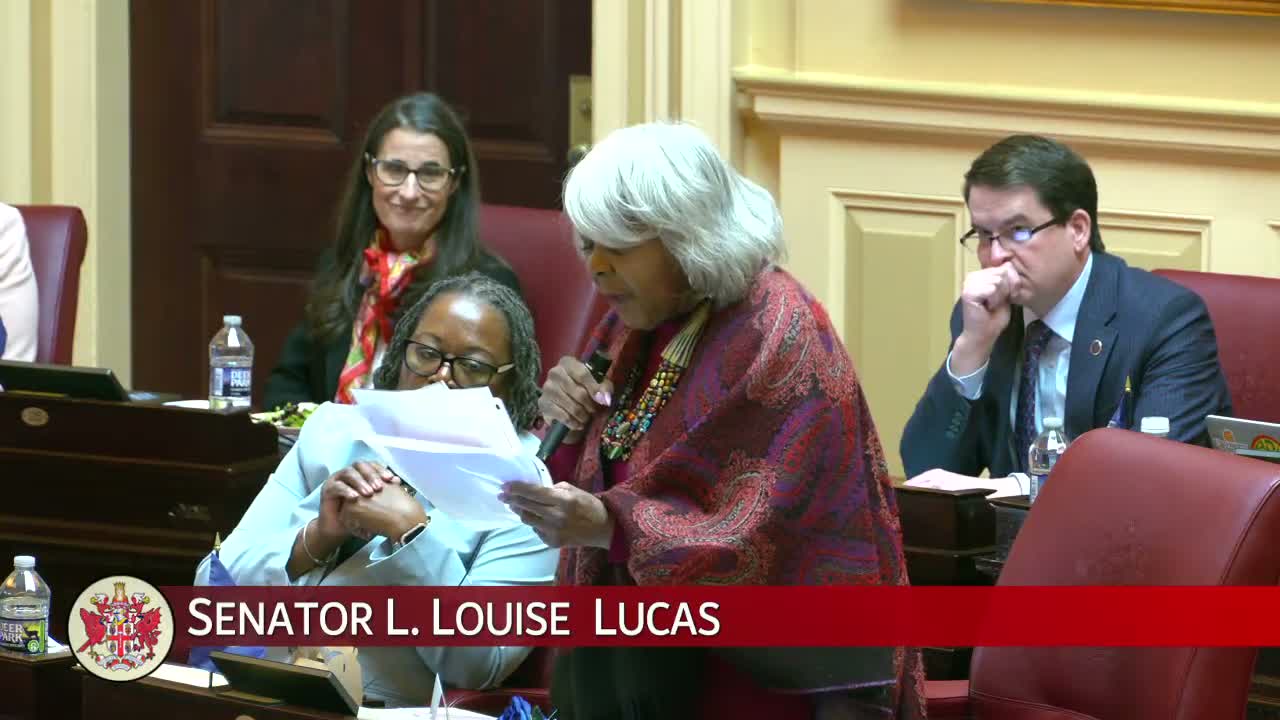
The senator from Portsmouth used a point of personal privilege to highlight a federal court ruling that declared Virginia's lifetime ban on voting by people with felony convictions unconstitutional.
"A federal court ruled that Virginia's lifetime ban on voting for people with felony convictions violates federal law," the senator said, citing Judge John Gibney's decision and tying the ruling to the history of the Virginia Readmission Act of 1870 and Jim Crow-era disenfranchisement. The senator called the decision "one of the most significant voting-rights decisions in Virginia's in generations," saying it restores voting access to people wrongfully denied the franchise.
The floor remarks emphasized historical context and the moral dimensions of the ruling: the senator recounted personal and community experience under segregation and characterized the court's decision as a corrective step toward justice and full participation. No formal motion or vote related to changing state law followed from that floor statement during the recorded session.
Later in the session the same senator moved to adjourn; the Senate approved the adjournment and suspended rules to accept legislation until 3 p.m. that day. The senator's remarks on the court ruling were delivered as a floor statement and did not include a proposal or legislative text on how the Senate should respond.
"A federal court ruled that Virginia's lifetime ban on voting for people with felony convictions violates federal law," the senator said, citing Judge John Gibney's decision and tying the ruling to the history of the Virginia Readmission Act of 1870 and Jim Crow-era disenfranchisement. The senator called the decision "one of the most significant voting-rights decisions in Virginia's in generations," saying it restores voting access to people wrongfully denied the franchise.
The floor remarks emphasized historical context and the moral dimensions of the ruling: the senator recounted personal and community experience under segregation and characterized the court's decision as a corrective step toward justice and full participation. No formal motion or vote related to changing state law followed from that floor statement during the recorded session.
Later in the session the same senator moved to adjourn; the Senate approved the adjournment and suspended rules to accept legislation until 3 p.m. that day. The senator's remarks on the court ruling were delivered as a floor statement and did not include a proposal or legislative text on how the Senate should respond.
View the Full Meeting & All Its Details
This article offers just a summary. Unlock complete video, transcripts, and insights as a Founder Member.
✓
Watch full, unedited meeting videos
✓
Search every word spoken in unlimited transcripts
✓
AI summaries & real-time alerts (all government levels)
✓
Permanent access to expanding government content
30-day money-back guarantee
