Panel deadlocks on regulating skill games after heated testimony from industry and opponents
January 24, 2026 | 2026 Legislature VA, Virginia
This article was created by AI summarizing key points discussed. AI makes mistakes, so for full details and context, please refer to the video of the full meeting. Please report any errors so we can fix them. Report an error »
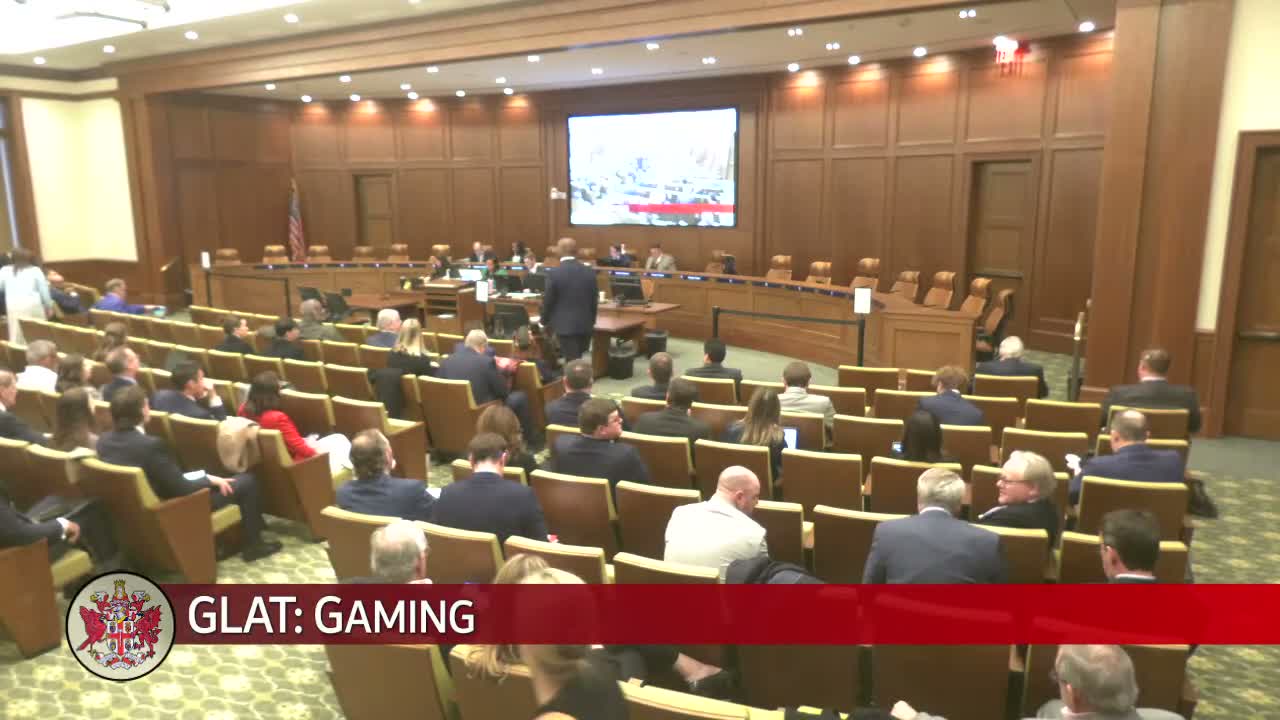
Sen. Rouse presented SB661 as an effort to replace the current patchwork of enforcement with a statewide regulatory framework for skill games. He said the bill is based on prior bipartisan work and would establish ABC as the regulatory authority, require third‑party certification, impose an $800 monthly per‑machine fee and cap total permitted terminals at 35,000 (down from the approximately 90,000 devices said to be operating illegally).
Proponents included convenience-store and small-business groups and franchise owners who argued regulation would provide clarity, tax revenue and enforcement tools. Suki Sandhu, a 7‑Eleven franchise owner, testified: “That is why I'm here to support the ... bill which creates a clear regulated framework.” Industry speakers said licensing and certification will allow law enforcement to identify illegal machines.
Opponents included charities, horse‑racing interests and public‑interest groups. The Virginia Equine Alliance warned that 35,000 machines could reduce racing purses and undercut the horse‑racing ecosystem. Public‑interest witnesses and faith organizations raised concerns about predatory impacts, youth access and concentrated placement in low‑income ZIP codes.
The committee took a recommendation vote; the clerk recorded Aye 3, No 5, so the subcommittee did not advance a favorable recommendation on SB661. Committee members debated enforcement capacity, whether regulation would legitimize devices currently illegal, and protections for young people and problem‑gamblers.
Proponents included convenience-store and small-business groups and franchise owners who argued regulation would provide clarity, tax revenue and enforcement tools. Suki Sandhu, a 7‑Eleven franchise owner, testified: “That is why I'm here to support the ... bill which creates a clear regulated framework.” Industry speakers said licensing and certification will allow law enforcement to identify illegal machines.
Opponents included charities, horse‑racing interests and public‑interest groups. The Virginia Equine Alliance warned that 35,000 machines could reduce racing purses and undercut the horse‑racing ecosystem. Public‑interest witnesses and faith organizations raised concerns about predatory impacts, youth access and concentrated placement in low‑income ZIP codes.
The committee took a recommendation vote; the clerk recorded Aye 3, No 5, so the subcommittee did not advance a favorable recommendation on SB661. Committee members debated enforcement capacity, whether regulation would legitimize devices currently illegal, and protections for young people and problem‑gamblers.
Don't Miss a Word: See the Full Meeting!
Go beyond summaries. Unlock every video, transcript, and key insight with a Founder Membership.
✓
Get instant access to full meeting videos
✓
Search and clip any phrase from complete transcripts
✓
Receive AI-powered summaries & custom alerts
✓
Enjoy lifetime, unrestricted access to government data
30-day money-back guarantee
