Committee advances iGaming substitute after split testimony on jobs, revenue and addiction risks
January 24, 2026 | 2026 Legislature VA, Virginia
This article was created by AI summarizing key points discussed. AI makes mistakes, so for full details and context, please refer to the video of the full meeting. Please report any errors so we can fix them. Report an error »
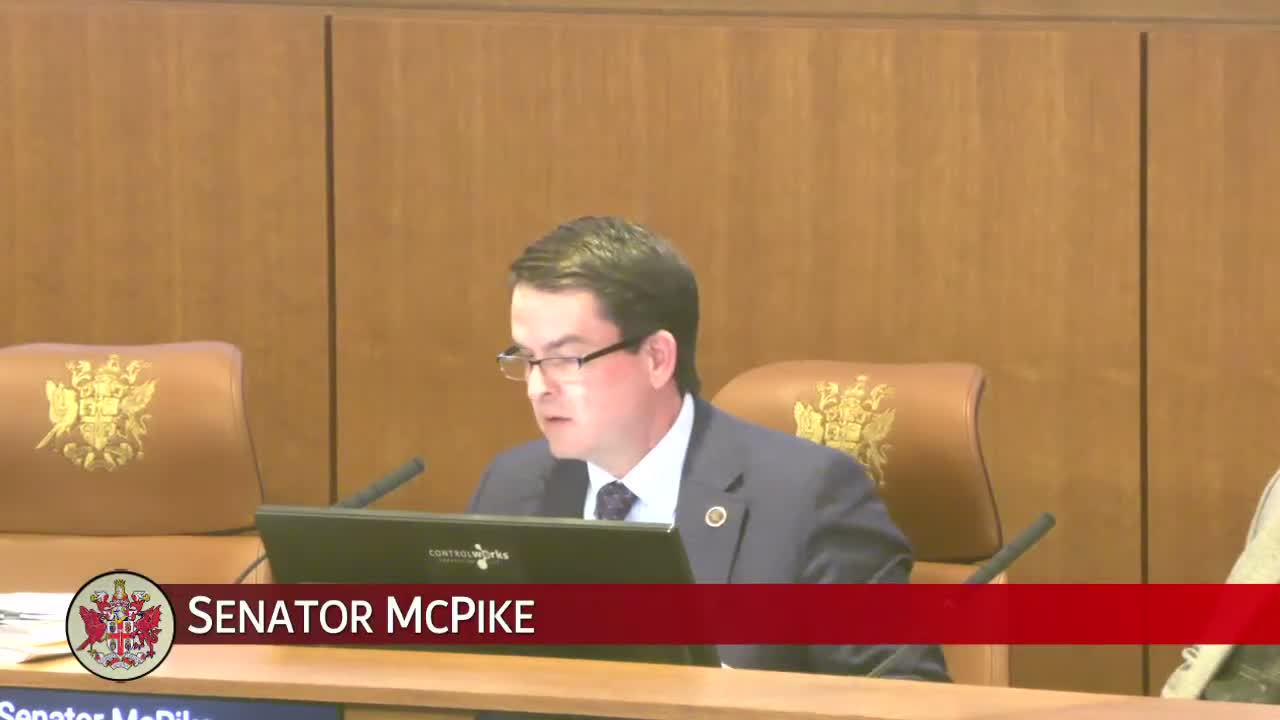
Sen. Locke presented a substitute to SB118 that would establish a regulated iGaming market in Virginia, require new live dealer studios to be located in the Commonwealth, prohibit credit card funding of iGaming accounts, allocate 5% of tax revenue to a problem‑gambling fund and create a 6% casino hold‑harmless fund to partially insulate brick‑and‑mortar casinos from revenue shifts. "This bill proposes a legal framework to license and tax iGaming while also closing legal loopholes that have allowed a multibillion dollar illegal industry to flourish," Locke told the subcommittee.
Industry supporters — including representatives from Evolution, Caesars, Boyd Gaming and trade associations — urged legalization and regulation as a way to capture activity now conducted on unauthorized platforms, create jobs and generate new revenue. Lloyd Levinson for Evolution cited a projection of about 1,500 new jobs from in‑state studio requirements.
Opponents — including the Campaign for Fair Gambling, the National Association Against iGaming and various faith and advocacy groups — warned of addiction, cannibalization of lottery and brick‑and‑mortar revenues, and localized social harms. Witnesses cited studies and state comparisons that produced conflicting fiscal estimates on lottery and casino revenue impacts.
Committee discussion focused on problem‑gambling safeguards, potential impacts to the Virginia Lottery and workforce protections; senators asked the Lottery director about preliminary analogs from Michigan and Pennsylvania. The subcommittee voted to report and refer the substitute to Finance with the clerk recording Ayes 3, No 4 and 1 abstention on the recorded recommendation.
Industry supporters — including representatives from Evolution, Caesars, Boyd Gaming and trade associations — urged legalization and regulation as a way to capture activity now conducted on unauthorized platforms, create jobs and generate new revenue. Lloyd Levinson for Evolution cited a projection of about 1,500 new jobs from in‑state studio requirements.
Opponents — including the Campaign for Fair Gambling, the National Association Against iGaming and various faith and advocacy groups — warned of addiction, cannibalization of lottery and brick‑and‑mortar revenues, and localized social harms. Witnesses cited studies and state comparisons that produced conflicting fiscal estimates on lottery and casino revenue impacts.
Committee discussion focused on problem‑gambling safeguards, potential impacts to the Virginia Lottery and workforce protections; senators asked the Lottery director about preliminary analogs from Michigan and Pennsylvania. The subcommittee voted to report and refer the substitute to Finance with the clerk recording Ayes 3, No 4 and 1 abstention on the recorded recommendation.
View the Full Meeting & All Its Details
This article offers just a summary. Unlock complete video, transcripts, and insights as a Founder Member.
✓
Watch full, unedited meeting videos
✓
Search every word spoken in unlimited transcripts
✓
AI summaries & real-time alerts (all government levels)
✓
Permanent access to expanding government content
30-day money-back guarantee
