Committee on Education hears HB 2468 to opt Kansas into federal education tax credit and double state scholarship cap
January 22, 2026 | Committee on Education, Standing, HOUSE OF REPRESENTATIVES, Committees, Legislative, Kansas
This article was created by AI summarizing key points discussed. AI makes mistakes, so for full details and context, please refer to the video of the full meeting. Please report any errors so we can fix them. Report an error »
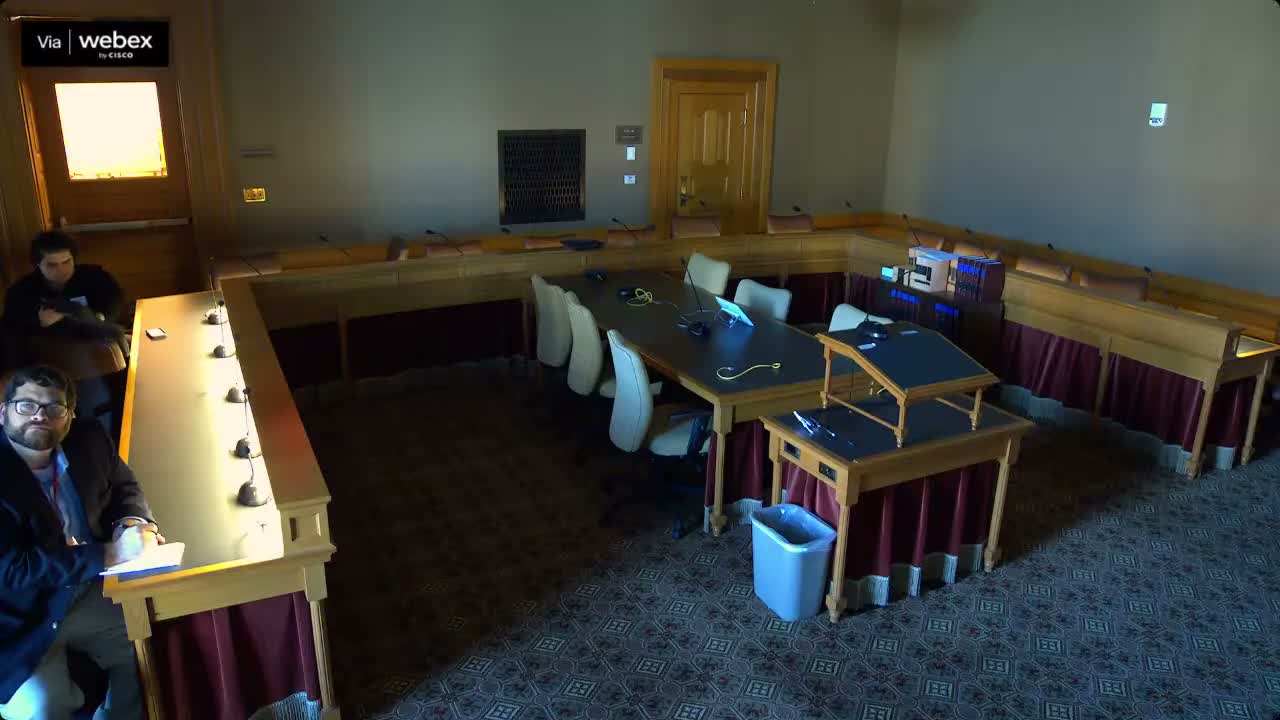
The Committee on Education convened a hearing on House Bill 2468, which would make Kansas a "covered state" under the federal education tax credit and raise the state scholarship tax-credit cap from $10 million to $20 million, with an automatic 25% escalation if 75% of the cap is used (capped at $30 million). Committee members heard proponent and opponent testimony but did not take a committee vote.
Supporters told the panel the federal provision — created in the Working Families Tax Cut Act — allows individual taxpayers to claim up to $1,700 in federal tax credits for donations to qualified scholarship-granting organizations (SGOs). Vincent Ansch, executive director of the Catholic Education Foundation, told the committee his SGO turned away contributors after the state cap was reached and that "this bill would bump that up to 20,000,000 and take care of it, as we think, for a number of years." He and other proponents said expanding the cap and opting in to the federal credit would keep philanthropic dollars in Kansas and expand scholarships for low-income students to pay for tuition, tutoring, textbooks and other qualified education expenses.
Proponents also said the existing state SGO program has grown rapidly: several witnesses said the program hit the $10 million cap in December 2025 and that organizations collectively had to refuse donations because credits were exhausted.
Opponents — including Tim Graham of the Kansas National Education Association and Jim Carlson of the United School Administrators of Kansas — argued that increasing the state cap and opting into the federal credit diverts public funds toward private schools and could worsen funding pressure for public-school services, especially special education. "We are the proud teachers union in Kansas," Graham said, adding the union is "philosophically opposed to taxpayer money going to private schools that operate with less accountability." Other opponents, including the Kansas PTA and Kansas Interfaith Action, raised similar concerns about accountability, oversight and the potential fiscal impact on the state general fund.
Several members sought technical clarifications. Committee staff explained the federal $1,700 limit originates in federal law (Internal Revenue Code section 25f) and that Kansas must adopt a state opt-in for SGOs operating in Kansas to qualify as covered organizations for the federal credit. Staff also explained the proposed immediate cap increase to $20 million on the bill's effective date (July 1) and the automatic 25% bump in years where 75% of the cap is claimed, up to a $30 million maximum that would require further legislative action to exceed.
On administrative costs, Tom Tracy of the state treasurer's office told the committee the initial fiscal note is "minimal" and that the office expects to use existing resources to transmit a list of qualifying SGOs to the U.S. Treasury. Opponents earlier urged caution, saying the treasurer may lack staff capacity to vet and maintain the list and that reporting deadlines and different agency reports have produced confusing results on whether the state cap was reached.
Committee members repeatedly returned to two central fault lines: (1) whether the change simply helps philanthropic activity stay in-state and expands choice for families, and (2) whether expanding tax-credit subsidies reduces revenue available for public-school obligations such as special education and services for at-risk students. Proponents emphasized scholarships for low-income students and the charitable origin of funds; opponents stressed fiscal risk, lack of academic accountability for recipients, and evidence from other states that such programs can have negative effects for at-risk students.
The treasurer's office provided the committee's fiscal estimate and staff outlined reporting mechanics, but the committee did not vote on HB 2468 during the hearing. Chair Rowan Estes introduced bill 26RS3007 (the Credit Act) into the record at adjournment; no committee vote or formal action on HB 2468 was recorded at the hearing. The bill will proceed through regular legislative processes and may return to committee for subsequent action.
Supporters told the panel the federal provision — created in the Working Families Tax Cut Act — allows individual taxpayers to claim up to $1,700 in federal tax credits for donations to qualified scholarship-granting organizations (SGOs). Vincent Ansch, executive director of the Catholic Education Foundation, told the committee his SGO turned away contributors after the state cap was reached and that "this bill would bump that up to 20,000,000 and take care of it, as we think, for a number of years." He and other proponents said expanding the cap and opting in to the federal credit would keep philanthropic dollars in Kansas and expand scholarships for low-income students to pay for tuition, tutoring, textbooks and other qualified education expenses.
Proponents also said the existing state SGO program has grown rapidly: several witnesses said the program hit the $10 million cap in December 2025 and that organizations collectively had to refuse donations because credits were exhausted.
Opponents — including Tim Graham of the Kansas National Education Association and Jim Carlson of the United School Administrators of Kansas — argued that increasing the state cap and opting into the federal credit diverts public funds toward private schools and could worsen funding pressure for public-school services, especially special education. "We are the proud teachers union in Kansas," Graham said, adding the union is "philosophically opposed to taxpayer money going to private schools that operate with less accountability." Other opponents, including the Kansas PTA and Kansas Interfaith Action, raised similar concerns about accountability, oversight and the potential fiscal impact on the state general fund.
Several members sought technical clarifications. Committee staff explained the federal $1,700 limit originates in federal law (Internal Revenue Code section 25f) and that Kansas must adopt a state opt-in for SGOs operating in Kansas to qualify as covered organizations for the federal credit. Staff also explained the proposed immediate cap increase to $20 million on the bill's effective date (July 1) and the automatic 25% bump in years where 75% of the cap is claimed, up to a $30 million maximum that would require further legislative action to exceed.
On administrative costs, Tom Tracy of the state treasurer's office told the committee the initial fiscal note is "minimal" and that the office expects to use existing resources to transmit a list of qualifying SGOs to the U.S. Treasury. Opponents earlier urged caution, saying the treasurer may lack staff capacity to vet and maintain the list and that reporting deadlines and different agency reports have produced confusing results on whether the state cap was reached.
Committee members repeatedly returned to two central fault lines: (1) whether the change simply helps philanthropic activity stay in-state and expands choice for families, and (2) whether expanding tax-credit subsidies reduces revenue available for public-school obligations such as special education and services for at-risk students. Proponents emphasized scholarships for low-income students and the charitable origin of funds; opponents stressed fiscal risk, lack of academic accountability for recipients, and evidence from other states that such programs can have negative effects for at-risk students.
The treasurer's office provided the committee's fiscal estimate and staff outlined reporting mechanics, but the committee did not vote on HB 2468 during the hearing. Chair Rowan Estes introduced bill 26RS3007 (the Credit Act) into the record at adjournment; no committee vote or formal action on HB 2468 was recorded at the hearing. The bill will proceed through regular legislative processes and may return to committee for subsequent action.
View the Full Meeting & All Its Details
This article offers just a summary. Unlock complete video, transcripts, and insights as a Founder Member.
✓
Watch full, unedited meeting videos
✓
Search every word spoken in unlimited transcripts
✓
AI summaries & real-time alerts (all government levels)
✓
Permanent access to expanding government content
30-day money-back guarantee
