Six-month KCARC pilot: 43 survivors served in Kirkland; police referrals and outreach highlighted
January 20, 2026 | Kirkland, King County, Washington
This article was created by AI summarizing key points discussed. AI makes mistakes, so for full details and context, please refer to the video of the full meeting. Please report any errors so we can fix them. Report an error »
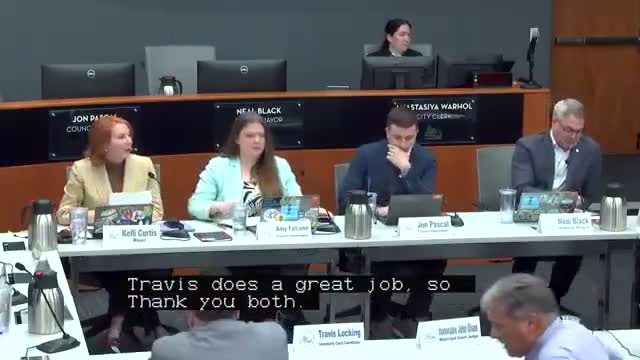
Kate Garvey, chief executive of the King County sexual-assault resource center (presented as KCARC in materials), and Hwa Goldstein, the pilot's Kirkland-based legal advocate, gave Council the first six‑month status report on the local pilot.
Garvey framed KCARC's services as a range of options available 24/7, including a staffed resource line, legal advocacy, medical advocacy for forensic exams, and clinical therapy. "You can reach out to us 24 hours a day, 7 days a week," Garvey said, and she underscored that many services, including therapy and advocacy, are provided at no direct cost to survivors.
For July–December the pilot reported 43 Kirkland survivors served and described referral patterns and outreach: the Kirkland Police Department was the primary referral source, and the program conducted 21 outreach events and 13 coordination meetings during the reporting period. Presenters said 47% of referred clients were under age 18, and early feedback shows high survivor satisfaction (about 90% report feeling supported; 93% said they could identify next steps after contact).
Hwa Goldstein described daily outreach and on-the-ground work in Kirkland, telling Council she was surprised at the number of residents willing to talk to advocates during tablings and events and noting the program's value for survivors who choose not to pursue criminal charges. Council members discussed sustainability and funding concerns; participants and staff noted the program relies on county and other funds outside the city and that continued local support would be important if federal funding were to shift.
Council praised the early results and asked staff to continue coordination and to report back as the pilot completes its planned term.
Garvey framed KCARC's services as a range of options available 24/7, including a staffed resource line, legal advocacy, medical advocacy for forensic exams, and clinical therapy. "You can reach out to us 24 hours a day, 7 days a week," Garvey said, and she underscored that many services, including therapy and advocacy, are provided at no direct cost to survivors.
For July–December the pilot reported 43 Kirkland survivors served and described referral patterns and outreach: the Kirkland Police Department was the primary referral source, and the program conducted 21 outreach events and 13 coordination meetings during the reporting period. Presenters said 47% of referred clients were under age 18, and early feedback shows high survivor satisfaction (about 90% report feeling supported; 93% said they could identify next steps after contact).
Hwa Goldstein described daily outreach and on-the-ground work in Kirkland, telling Council she was surprised at the number of residents willing to talk to advocates during tablings and events and noting the program's value for survivors who choose not to pursue criminal charges. Council members discussed sustainability and funding concerns; participants and staff noted the program relies on county and other funds outside the city and that continued local support would be important if federal funding were to shift.
Council praised the early results and asked staff to continue coordination and to report back as the pilot completes its planned term.
Don't Miss a Word: See the Full Meeting!
Go beyond summaries. Unlock every video, transcript, and key insight with a Founder Membership.
✓
Get instant access to full meeting videos
✓
Search and clip any phrase from complete transcripts
✓
Receive AI-powered summaries & custom alerts
✓
Enjoy lifetime, unrestricted access to government data
30-day money-back guarantee
