Kansas committee hears bill to allow use of expired naloxone in overdoses
January 22, 2026 | Committee on House Health and Human Services, Standing, HOUSE OF REPRESENTATIVES, Committees, Legislative, Kansas
This article was created by AI summarizing key points discussed. AI makes mistakes, so for full details and context, please refer to the video of the full meeting. Please report any errors so we can fix them. Report an error »
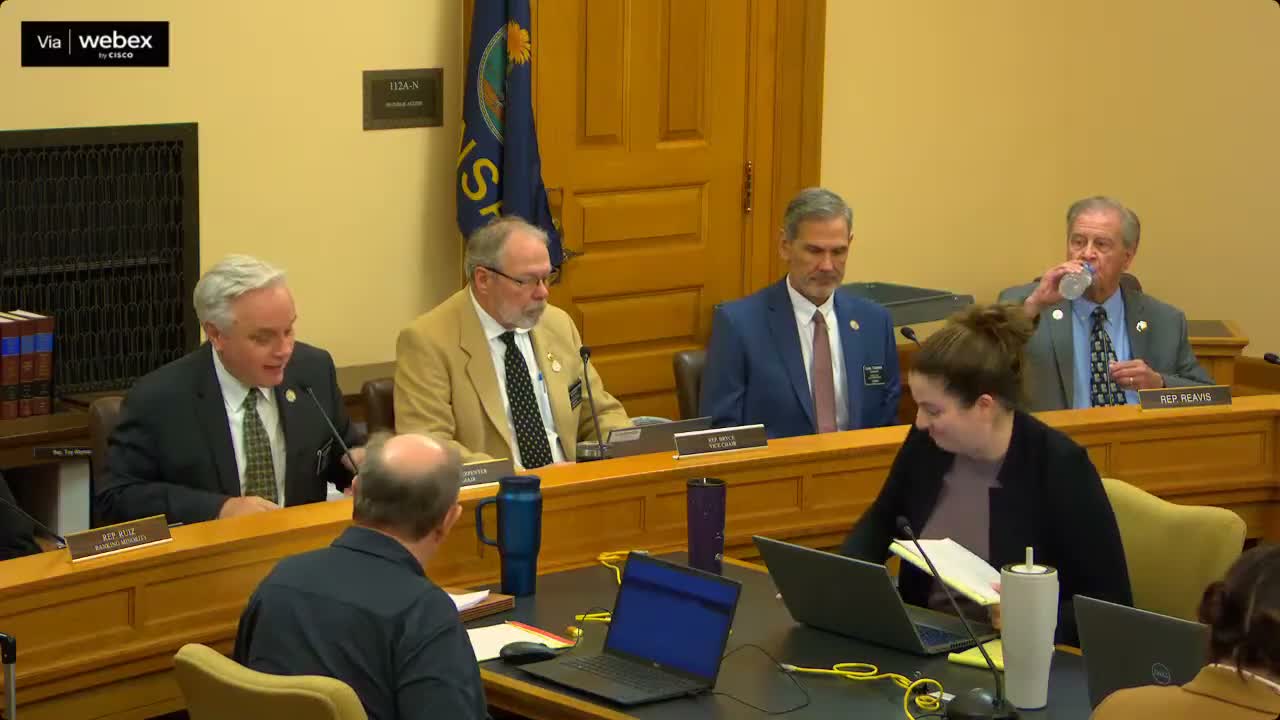
Lawmakers in the Committee on House Health and Human Services heard testimony on House Bill 24‑36, which would amend KSA 22 23 13 to permit a person rendering aid to administer an emergency opioid antagonist (an FDA‑approved intranasal drug) and explicitly allow use of expired opioid antagonist up to 10 years past the labeled expiration.
Proponents told the committee the change would expand access to naloxone and cut costs for small agencies and community distributors. Representative Pat Proctor, who spoke as a sponsor and committee member, said Leavenworth sees “anywhere from 30 to 50 overdoses” in a year and that removing expiration disposal requirements would keep lifesaving doses available. “We forgot one barrier,” Proctor told the panel, adding that studies show naloxone often remains effective beyond its expiration date.
Chrissy Mayer, chief community‑based services officer at DECA, said her program has provided more than 130,000 naloxone kits and spent about $1.3 million last year; she cited studies and other states’ policies permitting expired naloxone and argued the change would increase naloxone saturation. Ed Klump, representing Kansas law‑enforcement associations, said allowing expired doses would be a ‘‘big money saver’’ and help smaller agencies keep naloxone on hand.
Family members and harm‑reduction advocates delivered personal testimony. Amber Saleh, who said she lost her daughter in August 2023, described handing out expired naloxone during community outreach and urged the committee to remove legal uncertainty that can cause hesitation in an emergency. Stacy Rogers, whose son died from fentanyl poisoning, called HB 24‑36 “practical, compassionate and evidence‑based.”
Committee members questioned presenters about pharmacology and storage. One member noted naloxone’s biological half‑life in the body is short (minutes), while its shelf stability and labeled expiration are separate issues; panelists and the chair stressed expiration labels typically reflect declining labeled potency rather than formation of toxic byproducts. A member asked whether a two‑year label is typical and whether a 10‑year allowance is appropriate; witnesses cited varied study results and agency practices but no single authoritative federal extension was cited during the hearing.
The Revisor’s summary presented the bill text and noted it would take effect upon publication in the statute book; the committee did not take a vote on HB 24‑36 at this hearing. The record includes written proponents and at least one opponent on file.
The committee asked KDADS and other agencies to provide supporting data and promised to consider written materials and studies submitted by proponents as the bill moves through committee.
The hearing is expected to proceed with follow‑up materials and possible subsequent committee consideration.
Proponents told the committee the change would expand access to naloxone and cut costs for small agencies and community distributors. Representative Pat Proctor, who spoke as a sponsor and committee member, said Leavenworth sees “anywhere from 30 to 50 overdoses” in a year and that removing expiration disposal requirements would keep lifesaving doses available. “We forgot one barrier,” Proctor told the panel, adding that studies show naloxone often remains effective beyond its expiration date.
Chrissy Mayer, chief community‑based services officer at DECA, said her program has provided more than 130,000 naloxone kits and spent about $1.3 million last year; she cited studies and other states’ policies permitting expired naloxone and argued the change would increase naloxone saturation. Ed Klump, representing Kansas law‑enforcement associations, said allowing expired doses would be a ‘‘big money saver’’ and help smaller agencies keep naloxone on hand.
Family members and harm‑reduction advocates delivered personal testimony. Amber Saleh, who said she lost her daughter in August 2023, described handing out expired naloxone during community outreach and urged the committee to remove legal uncertainty that can cause hesitation in an emergency. Stacy Rogers, whose son died from fentanyl poisoning, called HB 24‑36 “practical, compassionate and evidence‑based.”
Committee members questioned presenters about pharmacology and storage. One member noted naloxone’s biological half‑life in the body is short (minutes), while its shelf stability and labeled expiration are separate issues; panelists and the chair stressed expiration labels typically reflect declining labeled potency rather than formation of toxic byproducts. A member asked whether a two‑year label is typical and whether a 10‑year allowance is appropriate; witnesses cited varied study results and agency practices but no single authoritative federal extension was cited during the hearing.
The Revisor’s summary presented the bill text and noted it would take effect upon publication in the statute book; the committee did not take a vote on HB 24‑36 at this hearing. The record includes written proponents and at least one opponent on file.
The committee asked KDADS and other agencies to provide supporting data and promised to consider written materials and studies submitted by proponents as the bill moves through committee.
The hearing is expected to proceed with follow‑up materials and possible subsequent committee consideration.
View the Full Meeting & All Its Details
This article offers just a summary. Unlock complete video, transcripts, and insights as a Founder Member.
✓
Watch full, unedited meeting videos
✓
Search every word spoken in unlimited transcripts
✓
AI summaries & real-time alerts (all government levels)
✓
Permanent access to expanding government content
30-day money-back guarantee
