Advocates urge one‑time funding to keep veterans housed; agencies flag procurement limits
January 22, 2026 | 2026 Legislature ME, Maine
This article was created by AI summarizing key points discussed. AI makes mistakes, so for full details and context, please refer to the video of the full meeting. Please report any errors so we can fix them. Report an error »
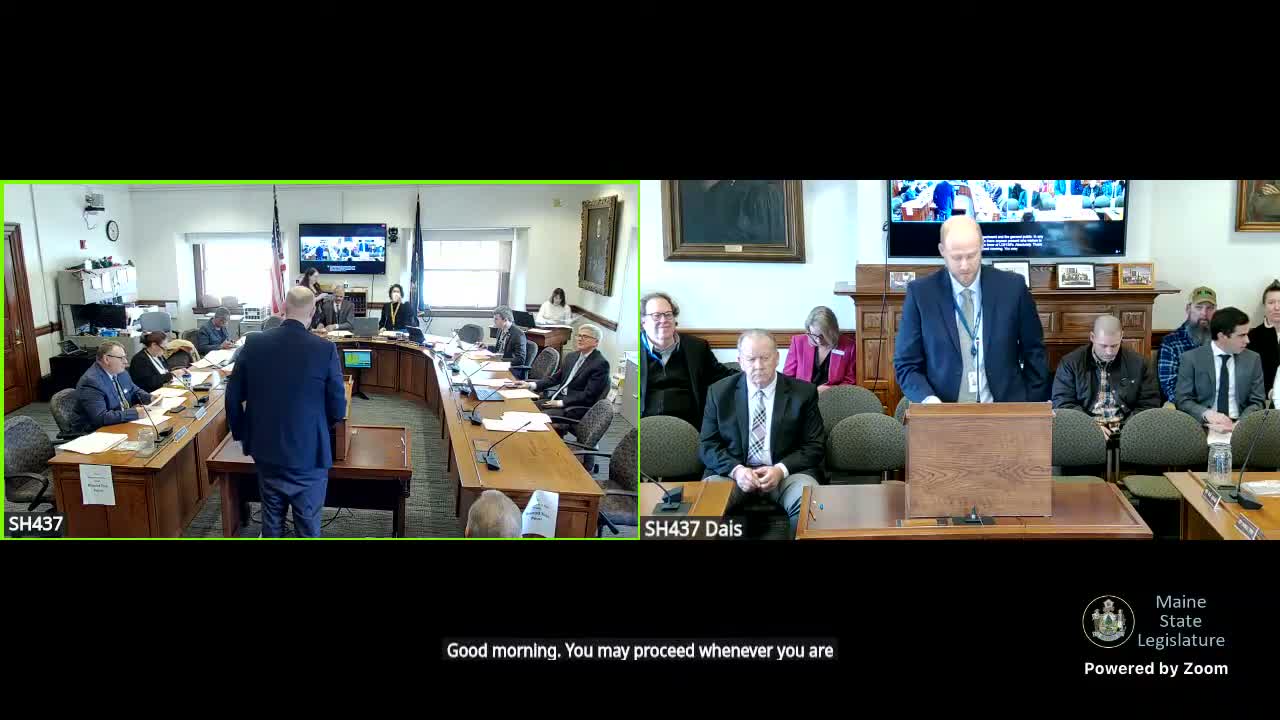
Advocates and service providers asked the Legislature Friday to shore up a veterans flexible funding program that helps landlords accept tenants with limited rental histories and covers limited past rental debts.
Dan Hodgkins, senior director of veterans housing services at Preble Street, described landlord incentives that typically run around $1,000 and a risk‑mitigation fund that can reimburse landlords up to $1,500 for unpaid rent or damage above a security deposit. Hodgkins said the program served 582 unduplicated veteran households in fiscal year 2025 and that outreach tactics such as targeted radio advertising correlated with quicker housing placements (from 47 to 74 placements in one quarter after ads ran).
"These incentives allow caseworkers to quickly secure housing for homeless veterans as it separates them from other applicants in a competitive housing market," Hodgkins said.
Sen. Tim Mangle, sponsor of LD 2135, asked for a modest one‑time appropriation (the testimony referenced a $90,000 figure) to maintain the Veterans Flex Fund while a broader coalition seeks sustainable funding. Several veteran‑led nonprofits supported the request, describing how the flex funds close gaps when federal dollars do not cover unique tenant circumstances.
David Richmond, director of the Maine Bureau of Veterans Services, said the bureau values Preble Street’s work but raised concerns about directing general fund money to a single provider because of state procurement and oversight requirements. Richmond outlined other state funds (Veterans Emergency Financial Assistance Program, transitional housing fund) that the bureau administers and said they have rules that may make rapid incentive payments more difficult unless rules are adjusted.
Committee members asked Preble Street and the bureau for non‑identifying outcome data, marketing materials (radio/web ads), and precise fund balances so the committee can assess the scope and sustainability of the request at the work session. No formal action was taken at the hearing.
Dan Hodgkins, senior director of veterans housing services at Preble Street, described landlord incentives that typically run around $1,000 and a risk‑mitigation fund that can reimburse landlords up to $1,500 for unpaid rent or damage above a security deposit. Hodgkins said the program served 582 unduplicated veteran households in fiscal year 2025 and that outreach tactics such as targeted radio advertising correlated with quicker housing placements (from 47 to 74 placements in one quarter after ads ran).
"These incentives allow caseworkers to quickly secure housing for homeless veterans as it separates them from other applicants in a competitive housing market," Hodgkins said.
Sen. Tim Mangle, sponsor of LD 2135, asked for a modest one‑time appropriation (the testimony referenced a $90,000 figure) to maintain the Veterans Flex Fund while a broader coalition seeks sustainable funding. Several veteran‑led nonprofits supported the request, describing how the flex funds close gaps when federal dollars do not cover unique tenant circumstances.
David Richmond, director of the Maine Bureau of Veterans Services, said the bureau values Preble Street’s work but raised concerns about directing general fund money to a single provider because of state procurement and oversight requirements. Richmond outlined other state funds (Veterans Emergency Financial Assistance Program, transitional housing fund) that the bureau administers and said they have rules that may make rapid incentive payments more difficult unless rules are adjusted.
Committee members asked Preble Street and the bureau for non‑identifying outcome data, marketing materials (radio/web ads), and precise fund balances so the committee can assess the scope and sustainability of the request at the work session. No formal action was taken at the hearing.
View the Full Meeting & All Its Details
This article offers just a summary. Unlock complete video, transcripts, and insights as a Founder Member.
✓
Watch full, unedited meeting videos
✓
Search every word spoken in unlimited transcripts
✓
AI summaries & real-time alerts (all government levels)
✓
Permanent access to expanding government content
30-day money-back guarantee
