OPOGA presents review of healthcare practitioner regulation and oversight options
January 20, 2026 | 2026 Legislature FL, Florida
This article was created by AI summarizing key points discussed. AI makes mistakes, so for full details and context, please refer to the video of the full meeting. Please report any errors so we can fix them. Report an error »
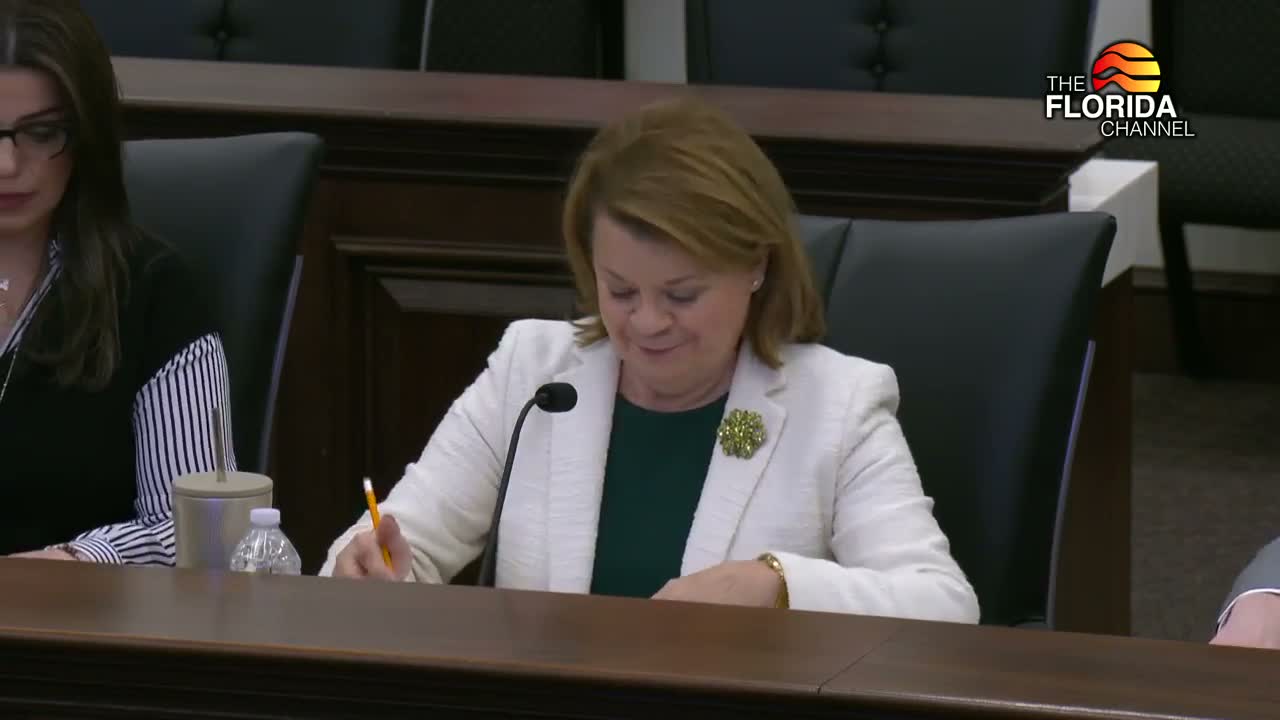
The Office of Program Policy Analysis and Government Accountability (OPOGA) briefed the Senate Health Policy Committee on its review of how states regulate and license health-care practitioners and the autonomy of practitioner boards.
Wendy Scott, OPOGA's staff director for Health and Human Services Policy, summarized research showing states use a range of oversight models — autonomous, semi-autonomous and advisory boards — and described best practices to reduce licensing barriers such as interstate compacts and reciprocity. Scott said Florida's boards operate in a semi-autonomous fashion: the Department of Health issues licenses and performs investigations while boards certify licensure requirements and discipline practitioners.
The presentation compared Florida to other states that exercise stronger legislative or agency oversight; examples included Illinois and Utah standards for board appointments and Vermont's ability to halt board actions. Scott also described how funding models differ across states and how statutory authority determines whether a board or an agency writes implementing rules.
Committee members asked OPOGA about how often rules get vetoed under other states' mechanisms, whether fiscal impacts of rules create additional triggers for scrutiny, and how Florida's Mobil Act compares to interstate mobility efforts. OPOGA said it would follow up on several of those questions and noted statutory citations (e.g., the nursing implementing statute) where rulemaking authority varies.
Why it matters: The review gives lawmakers an evidence base to consider reforms to appointment processes, rule oversight and board funding. Several senators said the material raised questions about whether the current balance between boards and agencies reflects legislative intent.
Next steps: OPOGA will provide additional follow-up on frequency of legislative reviews/vetoes and other technical details requested by the committee.
Wendy Scott, OPOGA's staff director for Health and Human Services Policy, summarized research showing states use a range of oversight models — autonomous, semi-autonomous and advisory boards — and described best practices to reduce licensing barriers such as interstate compacts and reciprocity. Scott said Florida's boards operate in a semi-autonomous fashion: the Department of Health issues licenses and performs investigations while boards certify licensure requirements and discipline practitioners.
The presentation compared Florida to other states that exercise stronger legislative or agency oversight; examples included Illinois and Utah standards for board appointments and Vermont's ability to halt board actions. Scott also described how funding models differ across states and how statutory authority determines whether a board or an agency writes implementing rules.
Committee members asked OPOGA about how often rules get vetoed under other states' mechanisms, whether fiscal impacts of rules create additional triggers for scrutiny, and how Florida's Mobil Act compares to interstate mobility efforts. OPOGA said it would follow up on several of those questions and noted statutory citations (e.g., the nursing implementing statute) where rulemaking authority varies.
Why it matters: The review gives lawmakers an evidence base to consider reforms to appointment processes, rule oversight and board funding. Several senators said the material raised questions about whether the current balance between boards and agencies reflects legislative intent.
Next steps: OPOGA will provide additional follow-up on frequency of legislative reviews/vetoes and other technical details requested by the committee.
View the Full Meeting & All Its Details
This article offers just a summary. Unlock complete video, transcripts, and insights as a Founder Member.
✓
Watch full, unedited meeting videos
✓
Search every word spoken in unlimited transcripts
✓
AI summaries & real-time alerts (all government levels)
✓
Permanent access to expanding government content
30-day money-back guarantee
