Debate over ending newspaper legal‑notice requirement exposes digital access and equity tradeoffs
January 22, 2026 | 2026 Legislature ME, Maine
This article was created by AI summarizing key points discussed. AI makes mistakes, so for full details and context, please refer to the video of the full meeting. Please report any errors so we can fix them. Report an error »
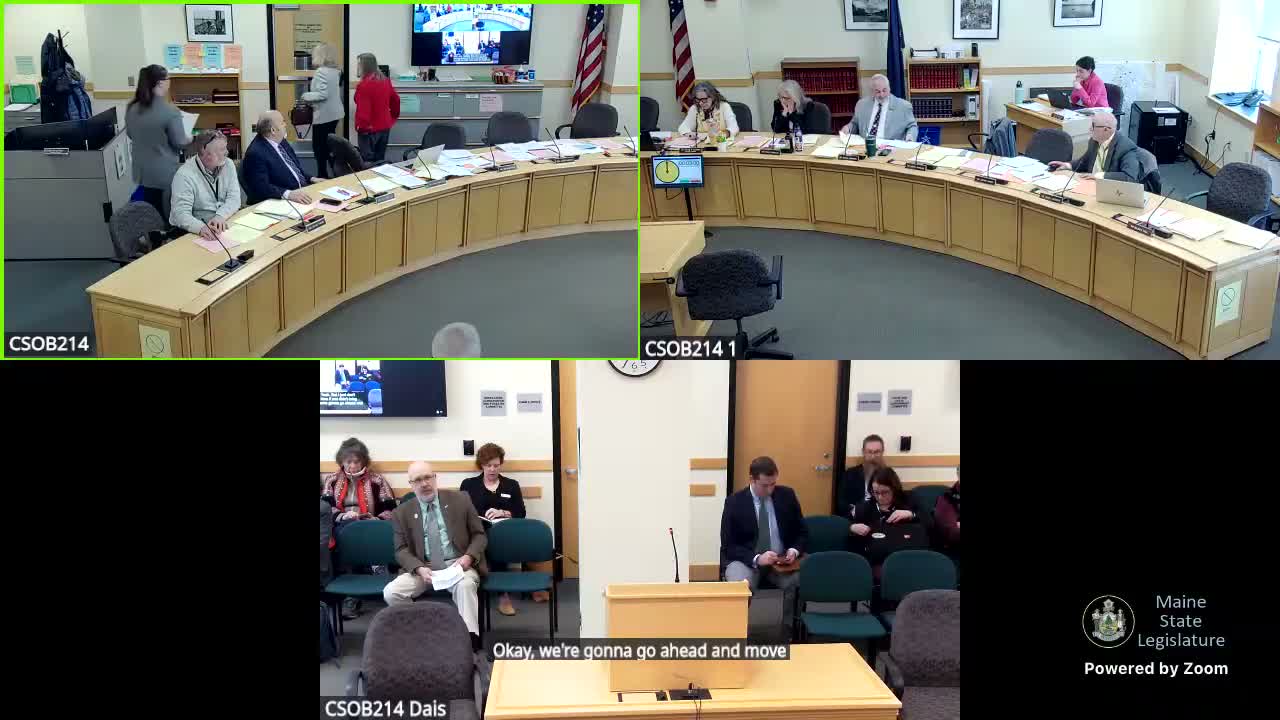
Senator Russell Black told the committee LD 2042 would modernize public notice law and reduce mandatory newspaper costs by allowing municipalities to meet legal‑notice requirements via a publicly accessible municipal website. Black said many towns already use websites and social media to reach residents, and that the bill would preserve transparency while saving taxpayer dollars.
Supporters included municipal officials (Winthrop, Farmington) who said the cost of legal advertising can be prohibitive and less effective than digital postings; town managers described missed deadlines, reduced print schedules and mail‑delivery delays that make newspaper publication unreliable for timely public hearings. The Maine Municipal Association’s legislative committee urged modernization and flexibility.
Newspaper publishers and press groups, including the Maine Press Association and Maine Trust for Local News, opposed the measure. Publishers said print and coordinated statewide legal-notice services (mainpublicnotices.com) provide an independent, verifiable, archivable record and broader, equitable access for residents without reliable broadband. They warned the bill risks reducing bidder competition on municipal projects and weakening third‑party verification: "A buried notice on a hard‑to‑navigate municipal website does not offer the same transparency as one published in a widely circulated newspaper," a publisher testified.
Lawmakers asked for more information on whether quasi‑municipal entities (water and sewer districts) should be included, how archives would be maintained, and for the state auditor or Maine Connectivity Authority to provide input on broadband and digital‑access gaps. The committee closed the public hearing and set follow‑up requests for the work session.
Supporters included municipal officials (Winthrop, Farmington) who said the cost of legal advertising can be prohibitive and less effective than digital postings; town managers described missed deadlines, reduced print schedules and mail‑delivery delays that make newspaper publication unreliable for timely public hearings. The Maine Municipal Association’s legislative committee urged modernization and flexibility.
Newspaper publishers and press groups, including the Maine Press Association and Maine Trust for Local News, opposed the measure. Publishers said print and coordinated statewide legal-notice services (mainpublicnotices.com) provide an independent, verifiable, archivable record and broader, equitable access for residents without reliable broadband. They warned the bill risks reducing bidder competition on municipal projects and weakening third‑party verification: "A buried notice on a hard‑to‑navigate municipal website does not offer the same transparency as one published in a widely circulated newspaper," a publisher testified.
Lawmakers asked for more information on whether quasi‑municipal entities (water and sewer districts) should be included, how archives would be maintained, and for the state auditor or Maine Connectivity Authority to provide input on broadband and digital‑access gaps. The committee closed the public hearing and set follow‑up requests for the work session.
Don't Miss a Word: See the Full Meeting!
Go beyond summaries. Unlock every video, transcript, and key insight with a Founder Membership.
✓
Get instant access to full meeting videos
✓
Search and clip any phrase from complete transcripts
✓
Receive AI-powered summaries & custom alerts
✓
Enjoy lifetime, unrestricted access to government data
30-day money-back guarantee
