Legislature hears competing claims over brewery license caps and retroactive exemptions
January 22, 2026 | 2026 Legislature ME, Maine
This article was created by AI summarizing key points discussed. AI makes mistakes, so for full details and context, please refer to the video of the full meeting. Please report any errors so we can fix them. Report an error »
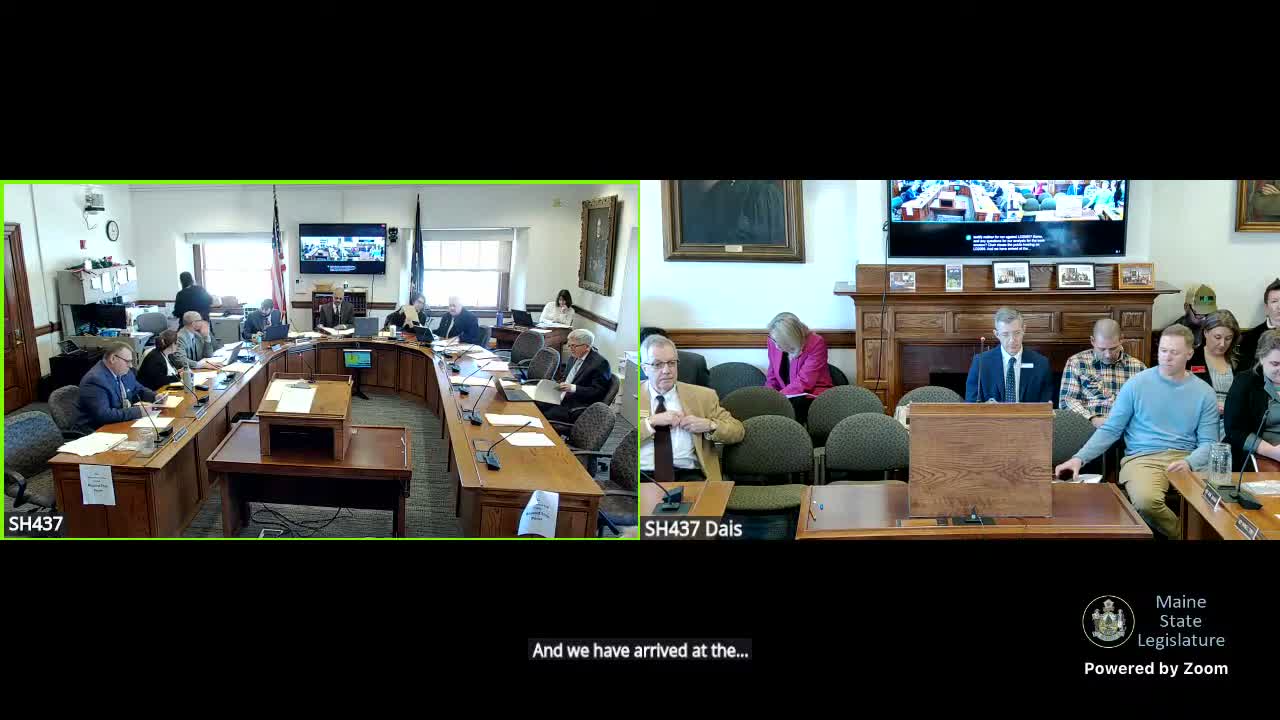
A heated hearing on LD 2155 split restaurateurs and hospitality groups, who favor retroactive relief, from the Maine Brewers Guild and many small brewers who argued the measure would undermine the three‑tier system that has supported independent manufacturers and fair market access.
Sen. Nicole Grohowski presented the bill, saying LD 2155 would clarify and amend the brewery‑license changes enacted in LD 1456 last session by increasing the number of on‑premise retail licenses a manufacturer may hold (proposed increases up to 12 in some configurations) and by exempting licenses issued on or before May 23, 2025, from the new ownership limits.
Michael Boland and other restaurant‑group owners described abrupt compliance burdens created by LD 1456, saying operators who had lawfully obtained licenses found themselves suddenly over the cap and facing closure or sale. "The law ... created immediate and serious harm for operators like me," Boland said, urging the committee to grandfather existing holdings and raise the cap.
The Maine Brewers Guild, represented by attorney Kate Knox and executive director Sarah Bridal, and many small brewers opposed LD 2155. They said LD 1456 was the product of lengthy industry discussion to protect small producers and prevent retail exclusivity by entities that manufacture little or no beer. Guild witnesses warned that retroactive carve‑outs and expanded caps would accelerate consolidation, entrench incumbents, and disadvantage new and smaller producers seeking market access.
Louie Luccini (BABLO) testified neither for nor against the bill and urged clearer drafting, highlighting regulatory ambiguities around production thresholds, grandfathering language and associated privileges such as self‑distribution. He said only a handful of businesses (he estimated three or four) are currently out of compliance and that the bureau had tried leniency while the agency and industry adjusted to the new law.
Members asked for counts of affected businesses, options for targeted relief, and possible policy alternatives that would preserve the three‑tier system while addressing inadvertent retroactive harms. The committee requested data and recommended the bureau return with regulatory options for the work session.
Sen. Nicole Grohowski presented the bill, saying LD 2155 would clarify and amend the brewery‑license changes enacted in LD 1456 last session by increasing the number of on‑premise retail licenses a manufacturer may hold (proposed increases up to 12 in some configurations) and by exempting licenses issued on or before May 23, 2025, from the new ownership limits.
Michael Boland and other restaurant‑group owners described abrupt compliance burdens created by LD 1456, saying operators who had lawfully obtained licenses found themselves suddenly over the cap and facing closure or sale. "The law ... created immediate and serious harm for operators like me," Boland said, urging the committee to grandfather existing holdings and raise the cap.
The Maine Brewers Guild, represented by attorney Kate Knox and executive director Sarah Bridal, and many small brewers opposed LD 2155. They said LD 1456 was the product of lengthy industry discussion to protect small producers and prevent retail exclusivity by entities that manufacture little or no beer. Guild witnesses warned that retroactive carve‑outs and expanded caps would accelerate consolidation, entrench incumbents, and disadvantage new and smaller producers seeking market access.
Louie Luccini (BABLO) testified neither for nor against the bill and urged clearer drafting, highlighting regulatory ambiguities around production thresholds, grandfathering language and associated privileges such as self‑distribution. He said only a handful of businesses (he estimated three or four) are currently out of compliance and that the bureau had tried leniency while the agency and industry adjusted to the new law.
Members asked for counts of affected businesses, options for targeted relief, and possible policy alternatives that would preserve the three‑tier system while addressing inadvertent retroactive harms. The committee requested data and recommended the bureau return with regulatory options for the work session.
Don't Miss a Word: See the Full Meeting!
Go beyond summaries. Unlock every video, transcript, and key insight with a Founder Membership.
✓
Get instant access to full meeting videos
✓
Search and clip any phrase from complete transcripts
✓
Receive AI-powered summaries & custom alerts
✓
Enjoy lifetime, unrestricted access to government data
30-day money-back guarantee
