Repair costs, technician shortages and fraud cited as drivers of rising auto premiums; panel reviews SB45
January 21, 2026 | 2026 Legislature DE, Legislative, Delaware
This article was created by AI summarizing key points discussed. AI makes mistakes, so for full details and context, please refer to the video of the full meeting. Please report any errors so we can fix them. Report an error »
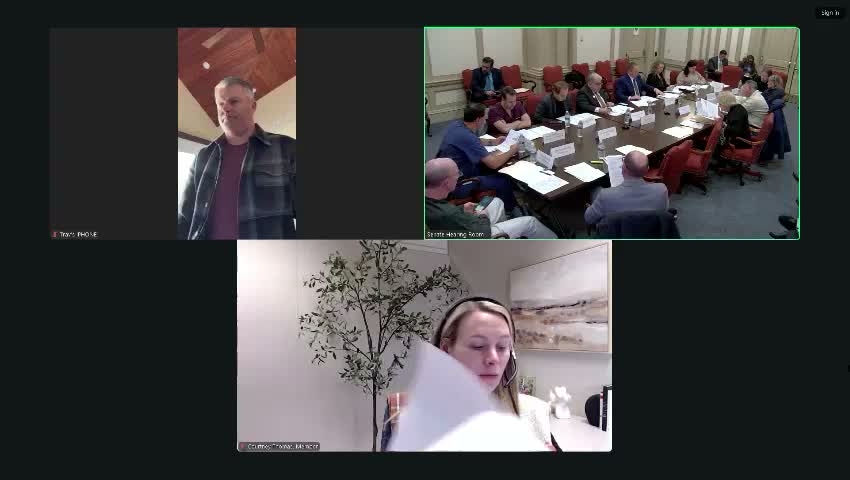
Delaware’s Auto Insurance Task Force spent much of its Jan. 21 meeting on repair costs, technician shortages and insurance fraud — topics members identified as contributors to rising auto premiums.
Repair industry witnesses told the task force that modern vehicles’ electronics and advanced materials increase parts and labor costs. One industry speaker noted the constrained supply chain for specialized materials, saying the "materials that we use to put these cars back together are very expensive." Panelists described partnerships with technical schools and multi-year apprenticeships as ways to build the technician workforce but cautioned that training is resource intensive and slow.
On claims processing, witnesses said most collision centers use estimating software (primarily CCC and Mitchell) that standardizes labor times and parts pricing; the software highlights manual overrides and supports supplements when additional damage is discovered after disassembly. Speakers described industry-standard labor studies: an estimate that lists a repair at six hours must be justified with photos and documentation, and adjusters reconcile differences where estimates vary.
Task force members and public commenters raised multiple fraud concerns. Panelists flagged tactics including shops advertising to "cover your deductible" by burying the cost in quotes, reused or previously deployed airbags, and the risk of AI-generated or manipulated images used as fabricated evidence. The National Insurance Crime Bureau (NICB) and insurer special investigative units were cited as partners for detection and legislative support.
Chair and members discussed SB45, a bill addressing application fraud currently pending in the Senate, and noted resistance to categorizing some application frauds as felonies. The chair said the bill had not advanced because of concerns over felony classifications and asked staff to develop metrics showing how enforcement or reclassification would affect fraud rates and potential consumer savings.
Public comment included the Delaware Safety Council offering curricula and materials on teen and young driver training, and a suggestion from a commenter that regulators and insurers should better publicize consumer "bill-of-rights" information so policyholders understand coverage options such as OEM endorsements and how to shop for coverage.
Next steps: staff were asked to research fraud metrics, provide NICB materials on common fraud patterns, and return analysis on how enhanced fraud enforcement or targeted consumer education might influence claims costs and premiums.
Repair industry witnesses told the task force that modern vehicles’ electronics and advanced materials increase parts and labor costs. One industry speaker noted the constrained supply chain for specialized materials, saying the "materials that we use to put these cars back together are very expensive." Panelists described partnerships with technical schools and multi-year apprenticeships as ways to build the technician workforce but cautioned that training is resource intensive and slow.
On claims processing, witnesses said most collision centers use estimating software (primarily CCC and Mitchell) that standardizes labor times and parts pricing; the software highlights manual overrides and supports supplements when additional damage is discovered after disassembly. Speakers described industry-standard labor studies: an estimate that lists a repair at six hours must be justified with photos and documentation, and adjusters reconcile differences where estimates vary.
Task force members and public commenters raised multiple fraud concerns. Panelists flagged tactics including shops advertising to "cover your deductible" by burying the cost in quotes, reused or previously deployed airbags, and the risk of AI-generated or manipulated images used as fabricated evidence. The National Insurance Crime Bureau (NICB) and insurer special investigative units were cited as partners for detection and legislative support.
Chair and members discussed SB45, a bill addressing application fraud currently pending in the Senate, and noted resistance to categorizing some application frauds as felonies. The chair said the bill had not advanced because of concerns over felony classifications and asked staff to develop metrics showing how enforcement or reclassification would affect fraud rates and potential consumer savings.
Public comment included the Delaware Safety Council offering curricula and materials on teen and young driver training, and a suggestion from a commenter that regulators and insurers should better publicize consumer "bill-of-rights" information so policyholders understand coverage options such as OEM endorsements and how to shop for coverage.
Next steps: staff were asked to research fraud metrics, provide NICB materials on common fraud patterns, and return analysis on how enhanced fraud enforcement or targeted consumer education might influence claims costs and premiums.
View the Full Meeting & All Its Details
This article offers just a summary. Unlock complete video, transcripts, and insights as a Founder Member.
✓
Watch full, unedited meeting videos
✓
Search every word spoken in unlimited transcripts
✓
AI summaries & real-time alerts (all government levels)
✓
Permanent access to expanding government content
30-day money-back guarantee
