Senate committee advances bill tightening reemployment‑assistance checks despite strong objections from labor groups
January 21, 2026 | 2026 Legislature FL, Florida
This article was created by AI summarizing key points discussed. AI makes mistakes, so for full details and context, please refer to the video of the full meeting. Please report any errors so we can fix them. Report an error »
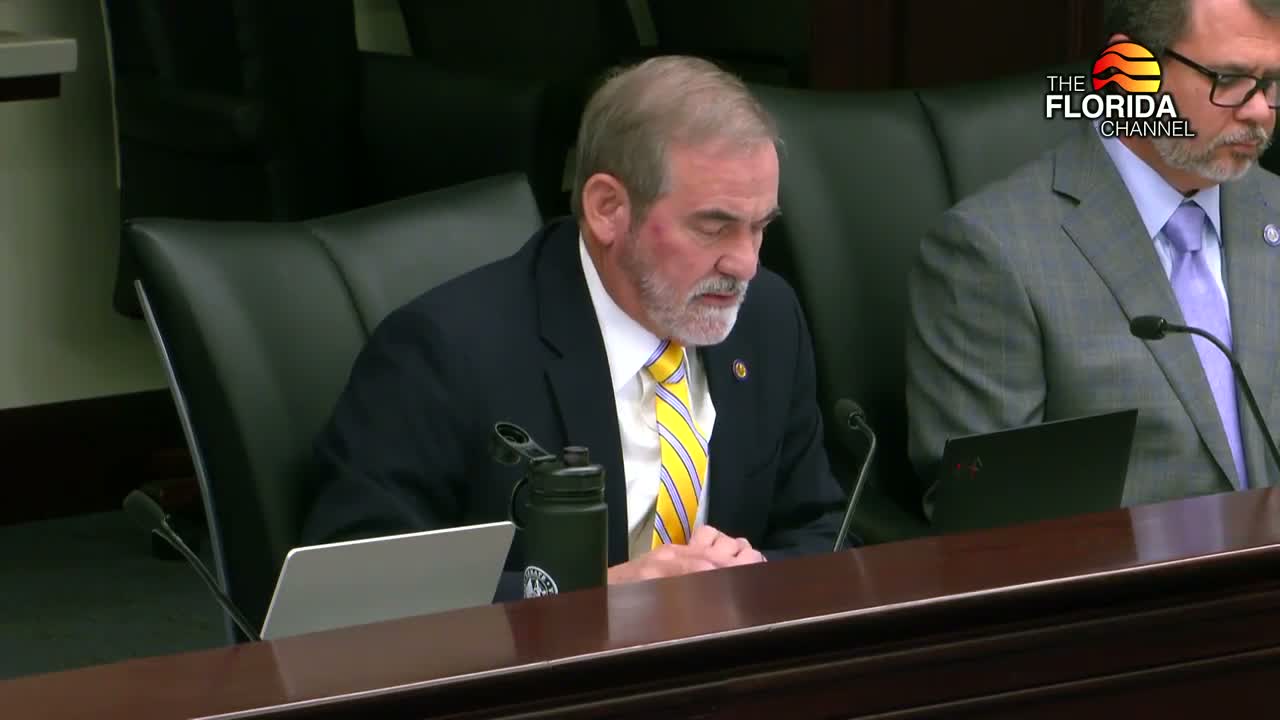
Senate Bill 216, presented to the Appropriations Committee on Transportation, Tourism and Economic Development, would require the Florida Department of Commerce to verify claimants’ identity, immigration status, incarceration status and employment status every two weeks and would create new disqualifications for failing to make required job contacts, missing interviews without notice, or refusing recall to work.
Sponsor Senator McLean said the measure is aimed at reducing fraud and ensuring recipients continue to meet eligibility criteria. "The Senate bill 2 16 would disqualify someone from reemployment assistance if they fail to contact the required 5 prospective employers per week, failed to appear on 3 or more scheduled interviews without notifying the employer, [or] fail to return to work when recalled," he said during his explanation of the bill.
But the bill drew sustained pushback from labor advocates, unions and several senators who said it shifts burdens onto claimants and department staff. Dr. Rich Templin of the Florida AFL–CIO warned lawmakers that the state's reemployment system already places many obstacles before claimants. "Of every 100 people that apply, only 9 to 10 actually receive benefits because of all the barriers we've put up in the river," Templin said, arguing the proposed checks would delay or deny benefits to eligible workers.
Senator Smith questioned the policy’s premise and practical effects on low‑paid, hourly, and seasonal workers: "I don't think this bill is needed... The problem we currently have... is that it's too hard to get [benefits]; that's not the problem. It's too hard to get." Senators also asked how the bill would address automated "bot" attacks on the system; McLean said the bill adds reporting and verification that he said would help the department identify sources of fraudulent claims but acknowledged he had not personally verified a frequently cited $32 billion fraud figure the sponsor attributed to a House counterpart.
Committee debate repeatedly returned to operational concerns — whether the department had agreed to the changes, the administrative cost of two‑week checks, and how rural claimants with limited internet or transportation would meet a five‑contact requirement. Multiple public witnesses — including the Florida Center for Fiscal and Economic Policy, Florida for All, the Florida AFL–CIO and the Florida Building Trades — urged changes or rejection, citing risks to workers who rely on timely benefits.
Despite opposition, the committee voted to report SB 216 favorably. The sponsor closed by inviting colleagues to provide alternative language and data, saying his office maintains an open‑door policy on the bill.
Next steps: the bill is scheduled for the fiscal committee and then full committee/floor consideration per the Senate calendar.
Sponsor Senator McLean said the measure is aimed at reducing fraud and ensuring recipients continue to meet eligibility criteria. "The Senate bill 2 16 would disqualify someone from reemployment assistance if they fail to contact the required 5 prospective employers per week, failed to appear on 3 or more scheduled interviews without notifying the employer, [or] fail to return to work when recalled," he said during his explanation of the bill.
But the bill drew sustained pushback from labor advocates, unions and several senators who said it shifts burdens onto claimants and department staff. Dr. Rich Templin of the Florida AFL–CIO warned lawmakers that the state's reemployment system already places many obstacles before claimants. "Of every 100 people that apply, only 9 to 10 actually receive benefits because of all the barriers we've put up in the river," Templin said, arguing the proposed checks would delay or deny benefits to eligible workers.
Senator Smith questioned the policy’s premise and practical effects on low‑paid, hourly, and seasonal workers: "I don't think this bill is needed... The problem we currently have... is that it's too hard to get [benefits]; that's not the problem. It's too hard to get." Senators also asked how the bill would address automated "bot" attacks on the system; McLean said the bill adds reporting and verification that he said would help the department identify sources of fraudulent claims but acknowledged he had not personally verified a frequently cited $32 billion fraud figure the sponsor attributed to a House counterpart.
Committee debate repeatedly returned to operational concerns — whether the department had agreed to the changes, the administrative cost of two‑week checks, and how rural claimants with limited internet or transportation would meet a five‑contact requirement. Multiple public witnesses — including the Florida Center for Fiscal and Economic Policy, Florida for All, the Florida AFL–CIO and the Florida Building Trades — urged changes or rejection, citing risks to workers who rely on timely benefits.
Despite opposition, the committee voted to report SB 216 favorably. The sponsor closed by inviting colleagues to provide alternative language and data, saying his office maintains an open‑door policy on the bill.
Next steps: the bill is scheduled for the fiscal committee and then full committee/floor consideration per the Senate calendar.
View the Full Meeting & All Its Details
This article offers just a summary. Unlock complete video, transcripts, and insights as a Founder Member.
✓
Watch full, unedited meeting videos
✓
Search every word spoken in unlimited transcripts
✓
AI summaries & real-time alerts (all government levels)
✓
Permanent access to expanding government content
30-day money-back guarantee
