Westborough trust forms working group to vet Post Road development amid inclusionary-zoning debate
July 12, 2025 | Town of Westborough, Worcester County, Massachusetts
This article was created by AI summarizing key points discussed. AI makes mistakes, so for full details and context, please refer to the video of the full meeting. Please report any errors so we can fix them. Report an error »
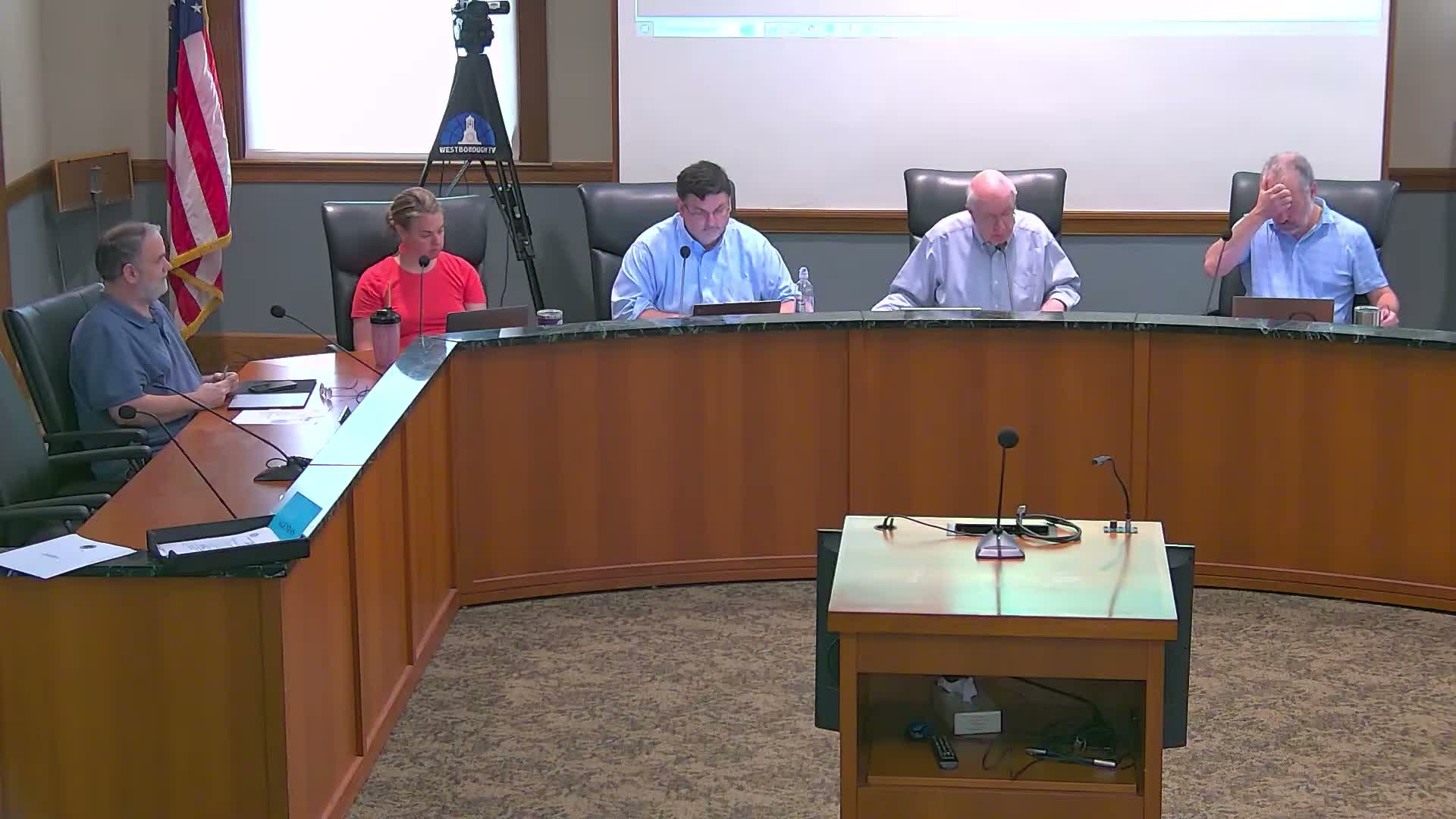
The Westborough Affordable Housing Trust and Housing Partnership Committee on July 11 appointed a working group to review a proposed Post Road development after a vigorous discussion over developer returns and the strength of the town’s inclusionary zoning rules.
The working group — amended at the meeting to include Ed, Alan and Steve — will evaluate the developer’s financial model, explore funding and subsidy options, and identify protections to ensure the project meets the town’s inclusionary requirements. The motion to form the group passed by roll-call vote.
Trust members described the development proposal’s reported financials as a key point of contention. Speaker 1, who modeled rents based on comparable units at the developer’s Marlborough site, said a pure market-rate version of the project produced an internal rate of return of about 17.9 percent using the numbers in the model. Several members said the developer’s stated 20 percent IRR was unusually high and required independent justification. “If they can’t be successful with an IRR that’s around that number, I don’t see why we would give them one nickel,” Speaker 3 said during the debate.
Speaker 2, a vocal critic of rolling back affordability requirements, warned that making concessions on this first major project under the inclusionary bylaw could set a precedent that weakens the ordinance. “The town has to think really long and hard,” Speaker 2 said, arguing that future projects would expect similar concessions and that judicial or administrative challenges could follow if the town appeared to undermine its own rules.
Other members urged a pragmatic approach while protecting policy aims. Speaker 6 suggested the trust consider lending options rather than outright grants so the trust’s funds could be repaid and reused: “If we loan them some portion of their costs at a favorable rate, now all of a sudden their IRR goes way up and we still get money back into the trust,” Speaker 6 said. Speaker 1 and others recommended assembling a small technical working group to vet construction costs, rent assumptions, and potential subsidy sources (including low-income housing tax credits) and to present findings to the broader trust and planning officials.
The working group’s stated charge at the meeting is to review the developer’s financial assumptions, explore funding alternatives and safeguards for the affordable component, and recommend whether the trust should offer funds or other support and on what terms. The trust did not approve any subsidy or loan at the meeting; it only approved formation of the working group and the appointments.
Next steps: the working group will begin its review and report back to the trust with numbers and recommendations. The trust said it would also coordinate with planning staff and other town officials to ensure inclusionary-zoning requirements are preserved through later permitting stages.
The working group — amended at the meeting to include Ed, Alan and Steve — will evaluate the developer’s financial model, explore funding and subsidy options, and identify protections to ensure the project meets the town’s inclusionary requirements. The motion to form the group passed by roll-call vote.
Trust members described the development proposal’s reported financials as a key point of contention. Speaker 1, who modeled rents based on comparable units at the developer’s Marlborough site, said a pure market-rate version of the project produced an internal rate of return of about 17.9 percent using the numbers in the model. Several members said the developer’s stated 20 percent IRR was unusually high and required independent justification. “If they can’t be successful with an IRR that’s around that number, I don’t see why we would give them one nickel,” Speaker 3 said during the debate.
Speaker 2, a vocal critic of rolling back affordability requirements, warned that making concessions on this first major project under the inclusionary bylaw could set a precedent that weakens the ordinance. “The town has to think really long and hard,” Speaker 2 said, arguing that future projects would expect similar concessions and that judicial or administrative challenges could follow if the town appeared to undermine its own rules.
Other members urged a pragmatic approach while protecting policy aims. Speaker 6 suggested the trust consider lending options rather than outright grants so the trust’s funds could be repaid and reused: “If we loan them some portion of their costs at a favorable rate, now all of a sudden their IRR goes way up and we still get money back into the trust,” Speaker 6 said. Speaker 1 and others recommended assembling a small technical working group to vet construction costs, rent assumptions, and potential subsidy sources (including low-income housing tax credits) and to present findings to the broader trust and planning officials.
The working group’s stated charge at the meeting is to review the developer’s financial assumptions, explore funding alternatives and safeguards for the affordable component, and recommend whether the trust should offer funds or other support and on what terms. The trust did not approve any subsidy or loan at the meeting; it only approved formation of the working group and the appointments.
Next steps: the working group will begin its review and report back to the trust with numbers and recommendations. The trust said it would also coordinate with planning staff and other town officials to ensure inclusionary-zoning requirements are preserved through later permitting stages.
View the Full Meeting & All Its Details
This article offers just a summary. Unlock complete video, transcripts, and insights as a Founder Member.
✓
Watch full, unedited meeting videos
✓
Search every word spoken in unlimited transcripts
✓
AI summaries & real-time alerts (all government levels)
✓
Permanent access to expanding government content
30-day money-back guarantee
