ICC deputy prosecutor tells U.N. Security Council atrocities in Darfur amount to war crimes and crimes against humanity
January 20, 2026 | United Nations, International
This article was created by AI summarizing key points discussed. AI makes mistakes, so for full details and context, please refer to the video of the full meeting. Please report any errors so we can fix them. Report an error »
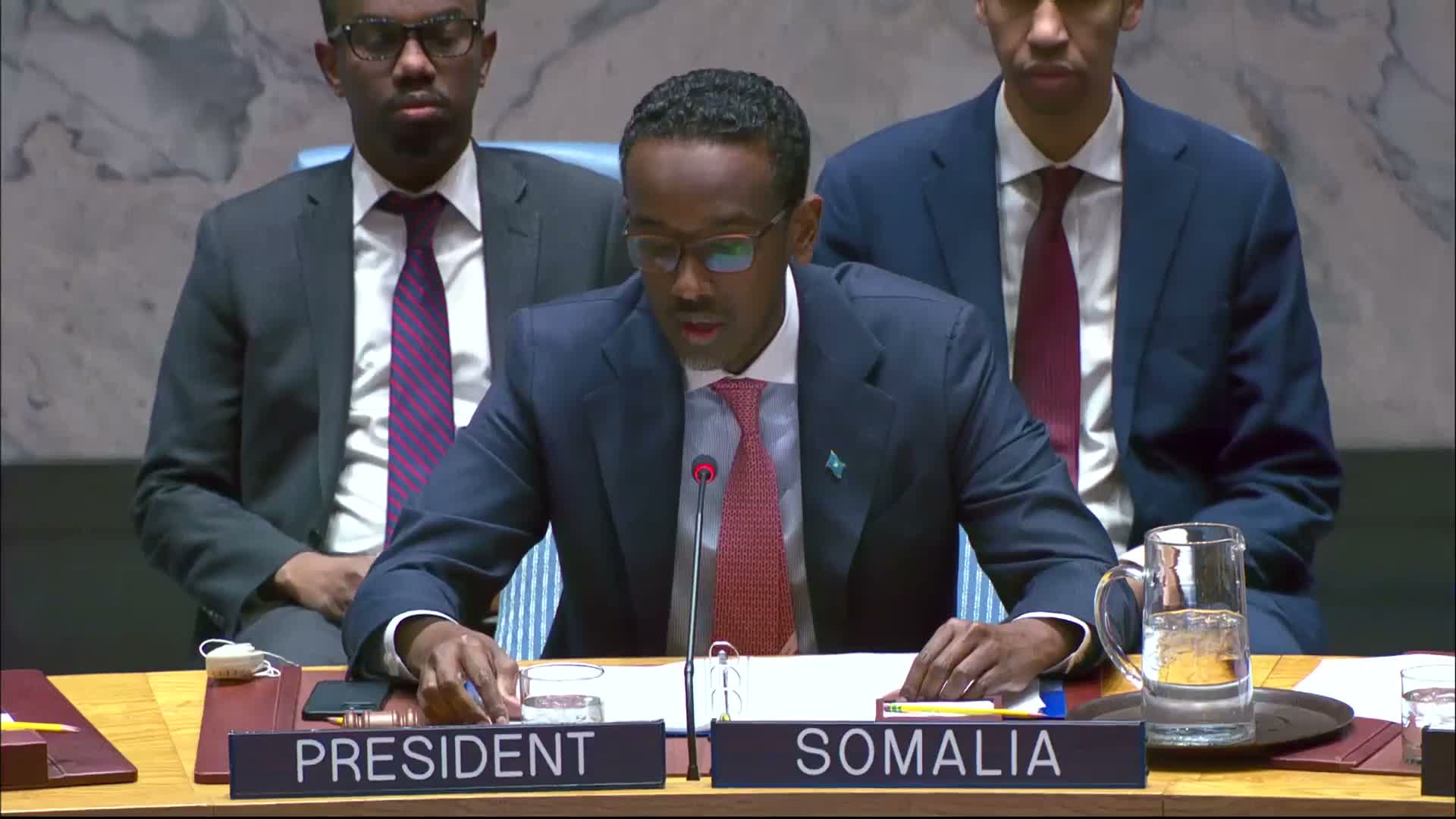
Deputy Prosecutor Shamim Khan of the International Criminal Court told the United Nations Security Council that evidence gathered by her office indicates war crimes and crimes against humanity have been committed in Darfur, and she urged member states to provide urgent cooperation to accelerate investigations.
Khan told the council that "Darfuris, as we speak, are being subjected to collective torture," and described arbitrary detention, executions and mass graves as occurring on a "massive scale." She said much of the criminality has been filmed "and celebrated by those committing them," and that satellite, audio and video evidence are being used to corroborate allegations and pursue individual criminal responsibility.
The prosecutor said the Office of the Prosecutor has focused investigative work in several locations, citing allegations from Al Fasha (described in the briefing as falling to the Rapid Support Forces) and ongoing work on attacks in Al Jeneina/Algenena. "It is the assessment of the office of the prosecutor that war crimes and crimes against humanity have been committed in Al Fasha," she said, pointing to late‑October events and a pattern similar to earlier alleged RSF attacks that included detention, mistreatment and killings of persons from non‑Arab tribes.
Khan emphasized the Office's use of multiple sources to corroborate material, including satellite imagery indicative of mass‑killing events, interviews with direct witnesses hosted in other countries, and submissions from civil society. She said investigations will maintain a "thorough and effective approach to the investigation of gender based crimes," noting the need for culturally and gender‑sensitive outreach and gender‑competent investigators.
Khan called on anyone with information about alleged crimes in "Al Fasha, Al Jenaena, and across Darfur" to provide it to the ICC "in particular through the secure online platform, OTP Link." She told the council that states can assist by sharing satellite imagery and other audio‑visual or digital material, facilitating the identification and interview of Darfuri diaspora (including by issuing visas to Office staff), and seconding national technical experts to support analytical work.
Announcing a recent judicial outcome, Khan said: "On 10/06/2025, Ali Mohammed Abdul Rahman was convicted by the International Criminal Court of war crimes and crimes against humanity committed in Darfur, including murder, torture, and outrages upon personal dignity." She added that "On December 9, he was sentenced to 20 years imprisonment for these crimes." Khan described the conviction as a "landmark"—the first conviction resulting from a Security Council referral, the first conviction in the Darfur situation, and the ICC's first conviction on grounds of gender‑based persecution—but she warned that the ruling must be set against "the deep ongoing suffering" in Darfur.
Khan said that cooperation from states and regional partners has increased in recent months, pointing to collaboration with a number of African states and "in particular, the government of Chad," which she said facilitated access for interviews. She also highlighted expanded engagement with U.N. fact‑finding missions and other U.N. partners documenting atrocities, particularly on gender‑based crimes.
Despite these advances, Khan warned that investigations still face significant obstacles, including limited and unsafe access to witnesses and crime scenes and the risk of intimidation or reprisals. She urged an end to measures that frustrate ICC work, including sanctions or arrest warrants against ICC officials, and she urged Sudanese authorities to work to secure the arrest of individuals subject to ICC warrants currently in Sudan, naming Omar Hassan Ahmed al Bashir, Ahmed Haroun and Abdul Rahim Mohammed Hussain and calling for particular priority on Haroun.
Khan closed by urging the Security Council and states to "widen the path" to accountability so more victims can obtain justice, reiterating the Office's readiness to work with partners and requesting the specific forms of cooperation that would accelerate investigative and prosecutorial steps.
The prosecutor's briefing did not include any formal Security Council decisions; it concluded with a request that member states and partners provide the information and technical support the Office identified.
Khan told the council that "Darfuris, as we speak, are being subjected to collective torture," and described arbitrary detention, executions and mass graves as occurring on a "massive scale." She said much of the criminality has been filmed "and celebrated by those committing them," and that satellite, audio and video evidence are being used to corroborate allegations and pursue individual criminal responsibility.
The prosecutor said the Office of the Prosecutor has focused investigative work in several locations, citing allegations from Al Fasha (described in the briefing as falling to the Rapid Support Forces) and ongoing work on attacks in Al Jeneina/Algenena. "It is the assessment of the office of the prosecutor that war crimes and crimes against humanity have been committed in Al Fasha," she said, pointing to late‑October events and a pattern similar to earlier alleged RSF attacks that included detention, mistreatment and killings of persons from non‑Arab tribes.
Khan emphasized the Office's use of multiple sources to corroborate material, including satellite imagery indicative of mass‑killing events, interviews with direct witnesses hosted in other countries, and submissions from civil society. She said investigations will maintain a "thorough and effective approach to the investigation of gender based crimes," noting the need for culturally and gender‑sensitive outreach and gender‑competent investigators.
Khan called on anyone with information about alleged crimes in "Al Fasha, Al Jenaena, and across Darfur" to provide it to the ICC "in particular through the secure online platform, OTP Link." She told the council that states can assist by sharing satellite imagery and other audio‑visual or digital material, facilitating the identification and interview of Darfuri diaspora (including by issuing visas to Office staff), and seconding national technical experts to support analytical work.
Announcing a recent judicial outcome, Khan said: "On 10/06/2025, Ali Mohammed Abdul Rahman was convicted by the International Criminal Court of war crimes and crimes against humanity committed in Darfur, including murder, torture, and outrages upon personal dignity." She added that "On December 9, he was sentenced to 20 years imprisonment for these crimes." Khan described the conviction as a "landmark"—the first conviction resulting from a Security Council referral, the first conviction in the Darfur situation, and the ICC's first conviction on grounds of gender‑based persecution—but she warned that the ruling must be set against "the deep ongoing suffering" in Darfur.
Khan said that cooperation from states and regional partners has increased in recent months, pointing to collaboration with a number of African states and "in particular, the government of Chad," which she said facilitated access for interviews. She also highlighted expanded engagement with U.N. fact‑finding missions and other U.N. partners documenting atrocities, particularly on gender‑based crimes.
Despite these advances, Khan warned that investigations still face significant obstacles, including limited and unsafe access to witnesses and crime scenes and the risk of intimidation or reprisals. She urged an end to measures that frustrate ICC work, including sanctions or arrest warrants against ICC officials, and she urged Sudanese authorities to work to secure the arrest of individuals subject to ICC warrants currently in Sudan, naming Omar Hassan Ahmed al Bashir, Ahmed Haroun and Abdul Rahim Mohammed Hussain and calling for particular priority on Haroun.
Khan closed by urging the Security Council and states to "widen the path" to accountability so more victims can obtain justice, reiterating the Office's readiness to work with partners and requesting the specific forms of cooperation that would accelerate investigative and prosecutorial steps.
The prosecutor's briefing did not include any formal Security Council decisions; it concluded with a request that member states and partners provide the information and technical support the Office identified.
View the Full Meeting & All Its Details
This article offers just a summary. Unlock complete video, transcripts, and insights as a Founder Member.
✓
Watch full, unedited meeting videos
✓
Search every word spoken in unlimited transcripts
✓
AI summaries & real-time alerts (all government levels)
✓
Permanent access to expanding government content
30-day money-back guarantee
