Prosecutors urge a forensics/competency restoration facility for serious offenders
January 17, 2026 | Judiciary, SENATE, Committees, Legislative , Vermont
This article was created by AI summarizing key points discussed. AI makes mistakes, so for full details and context, please refer to the video of the full meeting. Please report any errors so we can fix them. Report an error »
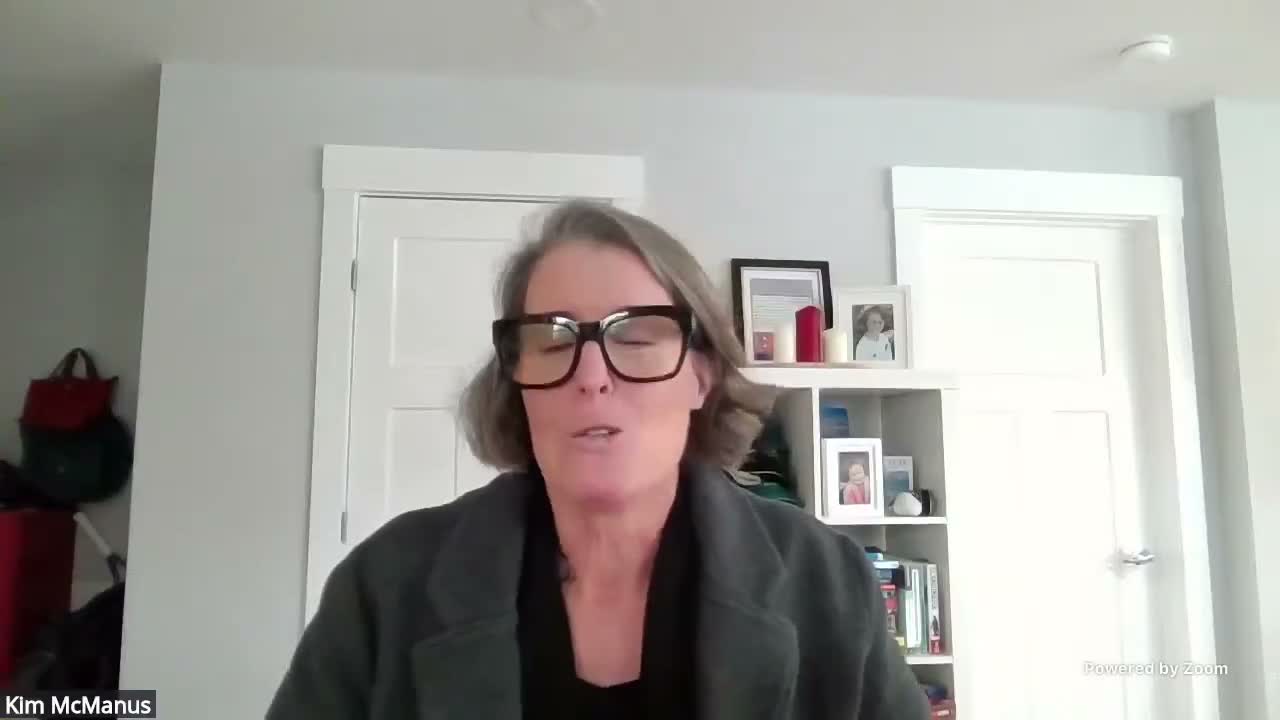
Department leadership told the Senate Judiciary Committee that gaps between Vermont’s mental‑health system and its criminal courts are producing long inactive dockets and that a secure forensic facility is necessary to restore competency and manage people found guilty but insane.
Kim McManus, legislative attorney, said the department “strongly believe[s] that the state of Vermont needs a forensic facility … to aid defendants who have been found incompetent and help them restore competency so that they can see through their trial,” and to provide secure care for people adjudicated guilty but insane who continue to pose a substantial risk to the public.
McManus and Tim Leers Dumont discussed options for housing and operating such services. They suggested a model under the Department of Corrections (DOC) with an on‑site medical provider rather than a mental‑health‑department (DMH) run hospital; they said a retrofit of an available wing at Southern State Correctional Facility is one possibility. McManus estimated a narrow initial scope — “about 4 to 5 at any given time” if limited to life‑offense cases — and urged starting with the smallest high‑risk group to avoid overshooting demand.
Senators asked whether prior legislation expanded capacity in Berlin or elsewhere; McManus said the department has no forensic facility currently used for competency restoration and that prior additions (beds in Berlin) did not create a jurisdictional forensic unit for this purpose. Leers Dumont and McManus offered to supply additional detail on statutory language and prior actions so the committee could decide whether to pursue authorization for DOC to repurpose existing space or draft new capital or operating proposals.
No formal action was taken; committee members and the department agreed to continue the conversation with the governor’s office and relevant agencies.
Kim McManus, legislative attorney, said the department “strongly believe[s] that the state of Vermont needs a forensic facility … to aid defendants who have been found incompetent and help them restore competency so that they can see through their trial,” and to provide secure care for people adjudicated guilty but insane who continue to pose a substantial risk to the public.
McManus and Tim Leers Dumont discussed options for housing and operating such services. They suggested a model under the Department of Corrections (DOC) with an on‑site medical provider rather than a mental‑health‑department (DMH) run hospital; they said a retrofit of an available wing at Southern State Correctional Facility is one possibility. McManus estimated a narrow initial scope — “about 4 to 5 at any given time” if limited to life‑offense cases — and urged starting with the smallest high‑risk group to avoid overshooting demand.
Senators asked whether prior legislation expanded capacity in Berlin or elsewhere; McManus said the department has no forensic facility currently used for competency restoration and that prior additions (beds in Berlin) did not create a jurisdictional forensic unit for this purpose. Leers Dumont and McManus offered to supply additional detail on statutory language and prior actions so the committee could decide whether to pursue authorization for DOC to repurpose existing space or draft new capital or operating proposals.
No formal action was taken; committee members and the department agreed to continue the conversation with the governor’s office and relevant agencies.
Don't Miss a Word: See the Full Meeting!
Go beyond summaries. Unlock every video, transcript, and key insight with a Founder Membership.
✓
Get instant access to full meeting videos
✓
Search and clip any phrase from complete transcripts
✓
Receive AI-powered summaries & custom alerts
✓
Enjoy lifetime, unrestricted access to government data
30-day money-back guarantee
