Forecast warns of a K‑shaped recovery, tariff effects and risks to data integrity
January 17, 2026 | Finance, SENATE, Committees, Legislative , Vermont
This article was created by AI summarizing key points discussed. AI makes mistakes, so for full details and context, please refer to the video of the full meeting. Please report any errors so we can fix them. Report an error »
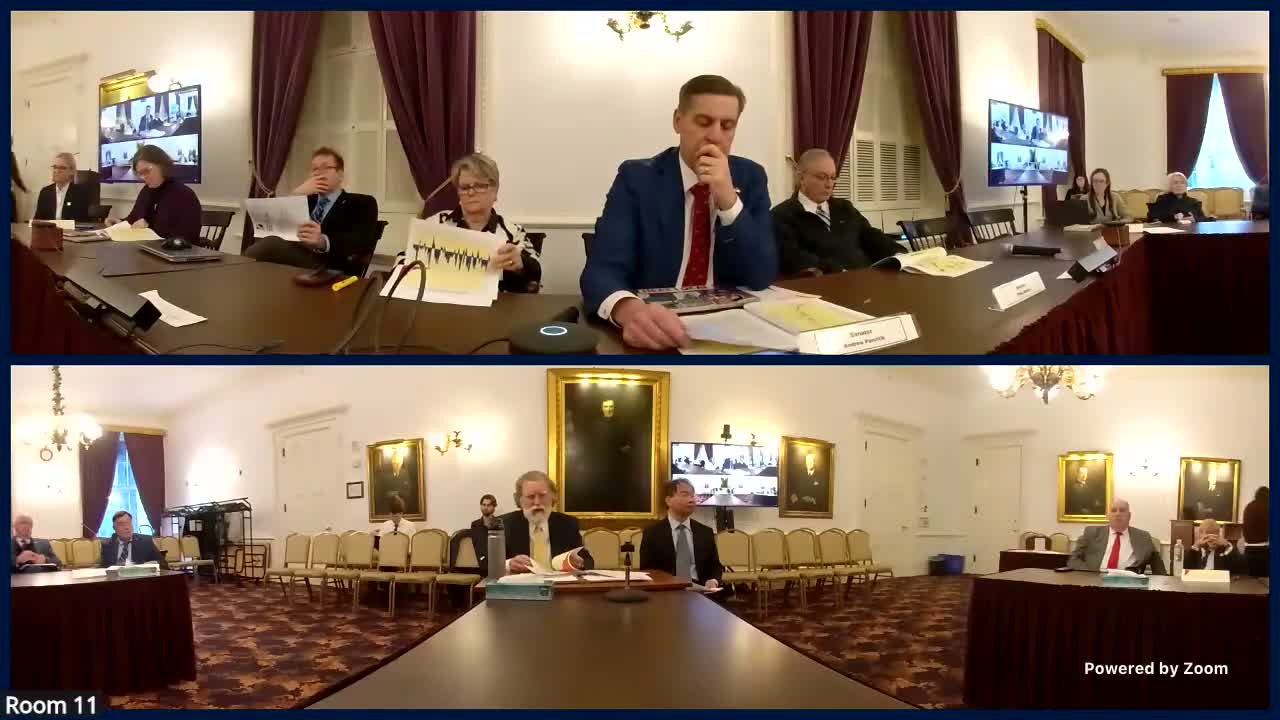
Tom Cabette, the presenter from Tom Cabette and Associates, told the Senate Finance and Senate Appropriations committees that the national economy is increasingly ‘‘K‑shaped’’ — with gains concentrated among high earners and technology beneficiaries and lagging conditions for others — and that several geopolitical and policy shifts could alter the medium‑term outlook.
Cabette cited tariffs and deglobalization as measurable headwinds, counterbalanced in part by AI‑driven investment and potential deficit‑funded stimulus under reconciliation legislation. He warned that proposals to refund tariffs would undercut the stated fiscal purpose of those duties and could worsen longer‑term fiscal pressures.
On the risk side, Cabette raised concerns about the independence of economic statisticians, referencing recent personnel actions and missing data that complicate short‑term inflation measurement. He noted a missing October shelter CPI input that was recorded as zero in the available data and said that methodological gaps of that sort can distort subsequent monthly inflation readings until the omitted months are averaged out.
Cabette also highlighted systemic vulnerabilities from sharply falling asset values — noting how concentrated gains among high‑value assets can create large potential losses if markets reverse — and described how stresses in commercial real estate could evolve into a broader financing 'doom loop' for that sector.
The briefing emphasized monitoring these risks as part of fiscal planning; no committee action was taken at the session's close.
Cabette cited tariffs and deglobalization as measurable headwinds, counterbalanced in part by AI‑driven investment and potential deficit‑funded stimulus under reconciliation legislation. He warned that proposals to refund tariffs would undercut the stated fiscal purpose of those duties and could worsen longer‑term fiscal pressures.
On the risk side, Cabette raised concerns about the independence of economic statisticians, referencing recent personnel actions and missing data that complicate short‑term inflation measurement. He noted a missing October shelter CPI input that was recorded as zero in the available data and said that methodological gaps of that sort can distort subsequent monthly inflation readings until the omitted months are averaged out.
Cabette also highlighted systemic vulnerabilities from sharply falling asset values — noting how concentrated gains among high‑value assets can create large potential losses if markets reverse — and described how stresses in commercial real estate could evolve into a broader financing 'doom loop' for that sector.
The briefing emphasized monitoring these risks as part of fiscal planning; no committee action was taken at the session's close.
View the Full Meeting & All Its Details
This article offers just a summary. Unlock complete video, transcripts, and insights as a Founder Member.
✓
Watch full, unedited meeting videos
✓
Search every word spoken in unlimited transcripts
✓
AI summaries & real-time alerts (all government levels)
✓
Permanent access to expanding government content
30-day money-back guarantee
