Connetquot Board reviews community survey, sets measurable goals for academics, career pathways and student well‑being
January 21, 2026 | CONNETQUOT CENTRAL SCHOOL DISTRICT, School Districts, New York
This article was created by AI summarizing key points discussed. AI makes mistakes, so for full details and context, please refer to the video of the full meeting. Please report any errors so we can fix them. Report an error »
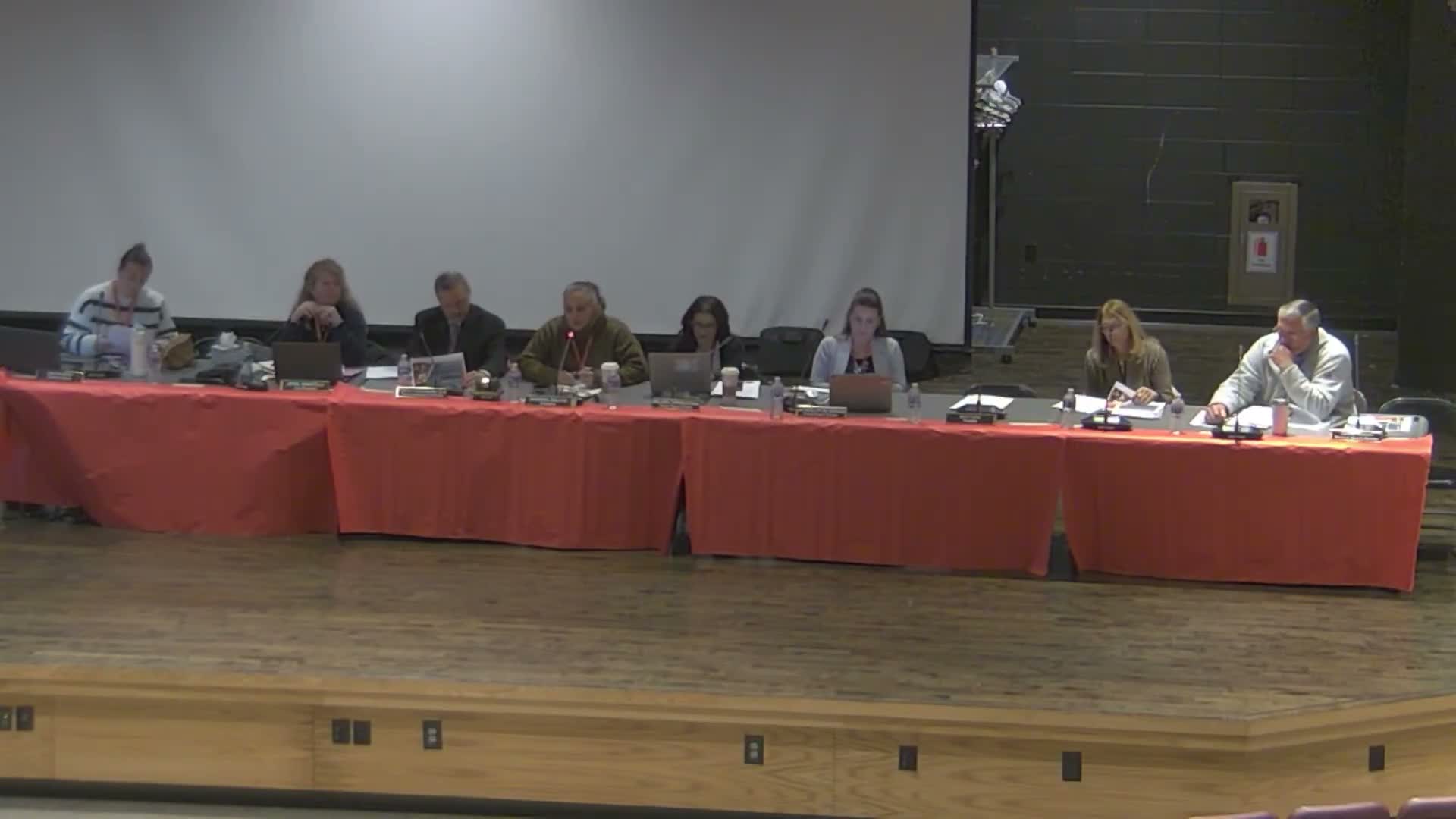
President Marisol Malin opened the meeting by summarizing a district community survey that drew about 327 responses from current and former parents, residents, staff and students and outlined the priorities respondents identified.
The survey, Malin said, highlighted academic performance, college and career preparation, life skills and student well‑being as top concerns. "So we had 3 27 people respond to the survey," she said, and trustees used the results to frame the board's short‑ and long‑term goals.
Why it matters: Trustees said they want clear, measurable objectives the board can use to evaluate the superintendent and district performance. Several trustees proposed specific targets — for example, raising districtwide ELA and math proficiency by 3% annually, increasing AP participation by 5% while maintaining high passing rates, boosting CTE enrollment by 10% and reducing out‑of‑district special‑education placements by 10% — and asked that those be couched as short‑ and long‑term goals the superintendent would implement.
Career and technical pathways drew sustained attention from both the public and student speakers. A community member urged bringing back trade and shop classes, saying "a college degree does not guarantee that you're gonna get a job," and argued vocational training can meet local employer demand. A high‑school student, Michael, told the board many students "don't know about a lot" of available electives and supports, prompting trustees to consider mailing course guides to ninth graders, posting elective options in guidance offices and developing an extracurriculars app to increase awareness.
Student safety and mental health were frequent themes. Trustees discussed a district approach to anti‑bullying and character education that begins in kindergarten and grows with students; one trustee cautioned against relying solely on restorative circles and asked for more robust data on incidents that never reach formal DASA filings. In response, a trustee said Doctor Joseph Senemore will provide quarterly reports to the board tracking bullying and related complaints — not just DASA investigations — so the district can measure progress.
Facilities, technology and transparency also featured. Trustees asked about air conditioning in secondary gyms, inclusive playground equipment and a five‑year building condition survey. John Allen, assistant to the superintendent, said the survey work is underway and "that actually I think has to be finalized by March 1" and will be certified by the superintendent and posted publicly. On technology, trustees called for a more user‑friendly district website, improved Wi‑Fi reliability and steps to reduce cybersecurity incidents, including periodic penetration testing and 100% device access for students and staff.
On finances and engagement, trustees emphasized fiscal responsibility and clearer public access to budget materials. Suggestions included multiyear fiscal forecasts, returning budget advisory committees and producing a mailed district calendar or quarterly newsletter to reach households not connected to ParentSquare or other digital platforms. The board agreed that transparency — publishing budgets and making BoardDocs materials more accessible — should be a priority.
Next steps and follow‑ups: The board directed staff to post the survey results on the district website, prepare measurable short‑ and long‑term goals for superintendent implementation and return quarterly bullying/incident data and the finalized building condition survey for trustees' review. The meeting concluded with a motion and second to adjourn that carried by recorded voice vote.
Board members and staff said they will convert the discussion items into specific action items for the superintendent and administrative team to implement and report back on a timeline.
The survey, Malin said, highlighted academic performance, college and career preparation, life skills and student well‑being as top concerns. "So we had 3 27 people respond to the survey," she said, and trustees used the results to frame the board's short‑ and long‑term goals.
Why it matters: Trustees said they want clear, measurable objectives the board can use to evaluate the superintendent and district performance. Several trustees proposed specific targets — for example, raising districtwide ELA and math proficiency by 3% annually, increasing AP participation by 5% while maintaining high passing rates, boosting CTE enrollment by 10% and reducing out‑of‑district special‑education placements by 10% — and asked that those be couched as short‑ and long‑term goals the superintendent would implement.
Career and technical pathways drew sustained attention from both the public and student speakers. A community member urged bringing back trade and shop classes, saying "a college degree does not guarantee that you're gonna get a job," and argued vocational training can meet local employer demand. A high‑school student, Michael, told the board many students "don't know about a lot" of available electives and supports, prompting trustees to consider mailing course guides to ninth graders, posting elective options in guidance offices and developing an extracurriculars app to increase awareness.
Student safety and mental health were frequent themes. Trustees discussed a district approach to anti‑bullying and character education that begins in kindergarten and grows with students; one trustee cautioned against relying solely on restorative circles and asked for more robust data on incidents that never reach formal DASA filings. In response, a trustee said Doctor Joseph Senemore will provide quarterly reports to the board tracking bullying and related complaints — not just DASA investigations — so the district can measure progress.
Facilities, technology and transparency also featured. Trustees asked about air conditioning in secondary gyms, inclusive playground equipment and a five‑year building condition survey. John Allen, assistant to the superintendent, said the survey work is underway and "that actually I think has to be finalized by March 1" and will be certified by the superintendent and posted publicly. On technology, trustees called for a more user‑friendly district website, improved Wi‑Fi reliability and steps to reduce cybersecurity incidents, including periodic penetration testing and 100% device access for students and staff.
On finances and engagement, trustees emphasized fiscal responsibility and clearer public access to budget materials. Suggestions included multiyear fiscal forecasts, returning budget advisory committees and producing a mailed district calendar or quarterly newsletter to reach households not connected to ParentSquare or other digital platforms. The board agreed that transparency — publishing budgets and making BoardDocs materials more accessible — should be a priority.
Next steps and follow‑ups: The board directed staff to post the survey results on the district website, prepare measurable short‑ and long‑term goals for superintendent implementation and return quarterly bullying/incident data and the finalized building condition survey for trustees' review. The meeting concluded with a motion and second to adjourn that carried by recorded voice vote.
Board members and staff said they will convert the discussion items into specific action items for the superintendent and administrative team to implement and report back on a timeline.
View the Full Meeting & All Its Details
This article offers just a summary. Unlock complete video, transcripts, and insights as a Founder Member.
✓
Watch full, unedited meeting videos
✓
Search every word spoken in unlimited transcripts
✓
AI summaries & real-time alerts (all government levels)
✓
Permanent access to expanding government content
30-day money-back guarantee
