Senate panel reviews S.204 to limit utility disconnections and study ratepayer protections
January 21, 2026 | Finance, SENATE, Committees, Legislative , Vermont
This article was created by AI summarizing key points discussed. AI makes mistakes, so for full details and context, please refer to the video of the full meeting. Please report any errors so we can fix them. Report an error »
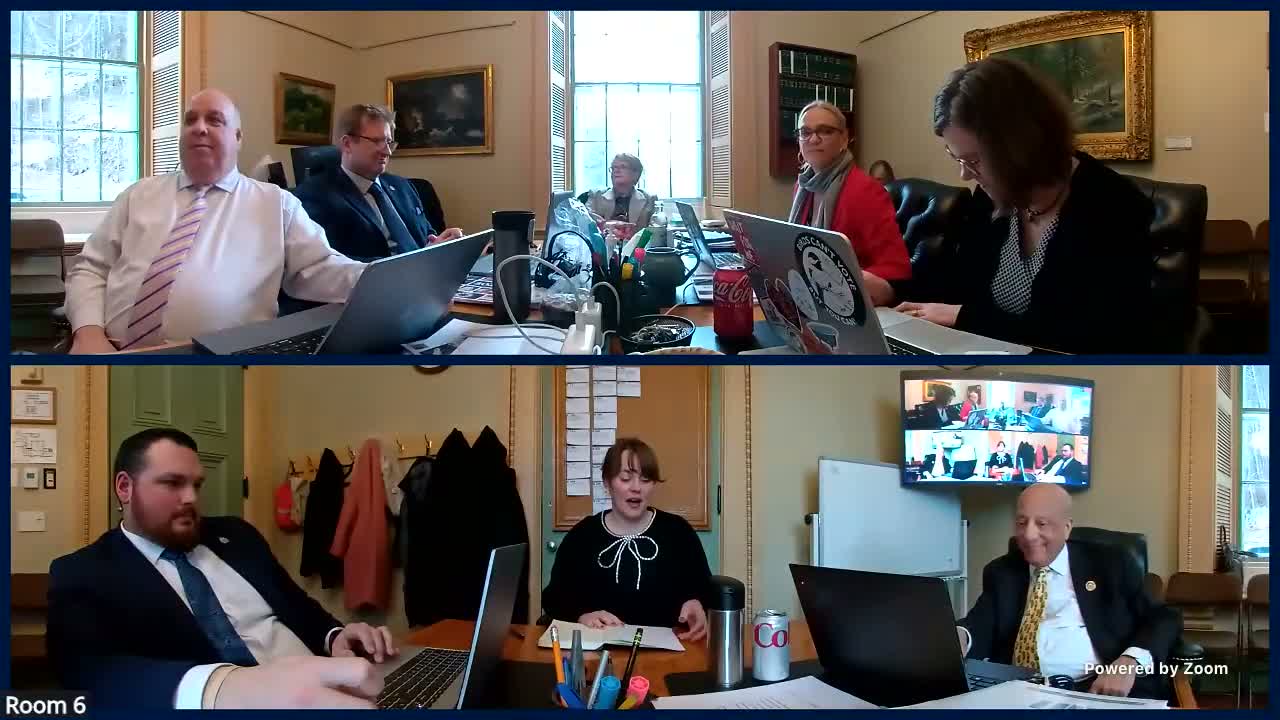
Senators reviewed S.204, titled the Vermont Energy Equity Law, which directs the Public Utility Commission (PUC) to design an electric ratepayer protection program for low- and moderate-income households and to revise disconnection rules. The bill would authorize the PUC to adopt rule changes including expanded physician-certificate protections and a prohibition on disconnections during commission-defined "periods of extreme heat."
The bill’s presenter told the committee the program could be funded through a statewide charge on higher-income ratepayers and would be developed with a collaborative including utilities, consumer representatives and program partners. "The program shall be developed with the aid of an electric ratepayer protection program collaborative," the draft directs. The proposal includes possible eligibility up to 300% of the federal poverty level and provisions for automatic screening and enrollment where feasible.
Sponsor remarks cited an 11% energy-burden statistic as motivation for the bill and noted recent increases in disconnects. Committee members raised practical concerns about landlord or ratepayer behavior if physician certificates prevent turn-offs and whether small municipal utilities could face disproportionate burdens under a statewide charge. The presenter said those implementation details and funding caps would be addressed through the PUC’s rulemaking with stakeholder participation.
The bill also tasks the PUC with drafting proposed legislation to implement a statewide program and contemplates funding mechanisms, caps on volumetric charges subject to discount, arrearage forgiveness, and performance metrics. Presenters referenced a December PUC study and Efficiency Vermont reports; they promised to circulate those materials to the committee.
No vote was taken; senators requested additional analysis and invited utilities and the PUC to participate in future hearings.
The bill’s presenter told the committee the program could be funded through a statewide charge on higher-income ratepayers and would be developed with a collaborative including utilities, consumer representatives and program partners. "The program shall be developed with the aid of an electric ratepayer protection program collaborative," the draft directs. The proposal includes possible eligibility up to 300% of the federal poverty level and provisions for automatic screening and enrollment where feasible.
Sponsor remarks cited an 11% energy-burden statistic as motivation for the bill and noted recent increases in disconnects. Committee members raised practical concerns about landlord or ratepayer behavior if physician certificates prevent turn-offs and whether small municipal utilities could face disproportionate burdens under a statewide charge. The presenter said those implementation details and funding caps would be addressed through the PUC’s rulemaking with stakeholder participation.
The bill also tasks the PUC with drafting proposed legislation to implement a statewide program and contemplates funding mechanisms, caps on volumetric charges subject to discount, arrearage forgiveness, and performance metrics. Presenters referenced a December PUC study and Efficiency Vermont reports; they promised to circulate those materials to the committee.
No vote was taken; senators requested additional analysis and invited utilities and the PUC to participate in future hearings.
Don't Miss a Word: See the Full Meeting!
Go beyond summaries. Unlock every video, transcript, and key insight with a Founder Membership.
✓
Get instant access to full meeting videos
✓
Search and clip any phrase from complete transcripts
✓
Receive AI-powered summaries & custom alerts
✓
Enjoy lifetime, unrestricted access to government data
30-day money-back guarantee
