UOSA outlines rate and capacity changes after rerating study; Manassas highlighted methanol project benefits
December 08, 2025 | Manassas, Prince William County, Virginia
This article was created by AI summarizing key points discussed. AI makes mistakes, so for full details and context, please refer to the video of the full meeting. Please report any errors so we can fix them. Report an error »
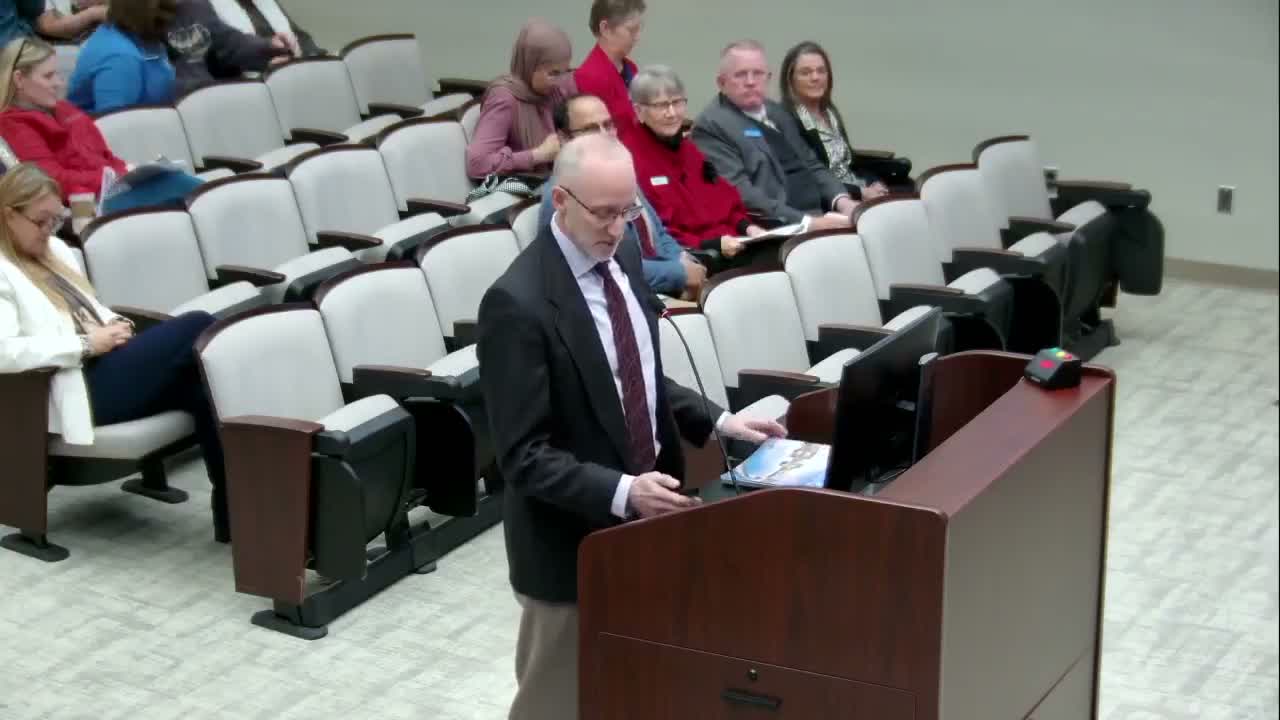
Brian Steglitz, executive director of the Upper Occoquan Service Authority (UOSA), told Manassas council that a jurisdictional cost‑allocation and rerating study identifies opportunities to adjust how the authority bills for septic receiving, capacity loans and reserve/maintenance charges and to tap latent treatment capacity to avoid a nearly $200 million plant expansion.
Key points: Steglitz said the septic receiving facility is heavily used and currently its costs are distributed by proportional ownership rather than by usage; UOSA will propose billing changes so users who deliver septage pay more of the treatment cost. The study also found different jurisdictions are consuming capacity unevenly; a new capacity‑sharing or loaning approach could distribute costs more equitably.
Capacity and plant investments: The rerating analysis and consultant work identified lower‑cost capital projects that can realize latent hydraulic and treatment capacity and resolve several jurisdictions' exceedances (red squares on staff slides). Steglitz emphasized the city of Manassas’ prior investment in a methanol feed facility positions it well on nitrogen removal and that the two‑year capital program totals nearly $50 million.
Process and next steps: The study will be finalized and staff will meet with served jurisdictions in early 2026 to discuss recommended service‑agreement amendments and proposed billing changes. Any changes will come back to governing bodies for review and approval.
Council reaction: Members asked technical clarifications on total nitrogen vs ammonia, triggers in service agreements (three consecutive months exceeding allocation) and whether external water utilities (Fairfax Water) contribute financially (Steglitz said they do not).
Key points: Steglitz said the septic receiving facility is heavily used and currently its costs are distributed by proportional ownership rather than by usage; UOSA will propose billing changes so users who deliver septage pay more of the treatment cost. The study also found different jurisdictions are consuming capacity unevenly; a new capacity‑sharing or loaning approach could distribute costs more equitably.
Capacity and plant investments: The rerating analysis and consultant work identified lower‑cost capital projects that can realize latent hydraulic and treatment capacity and resolve several jurisdictions' exceedances (red squares on staff slides). Steglitz emphasized the city of Manassas’ prior investment in a methanol feed facility positions it well on nitrogen removal and that the two‑year capital program totals nearly $50 million.
Process and next steps: The study will be finalized and staff will meet with served jurisdictions in early 2026 to discuss recommended service‑agreement amendments and proposed billing changes. Any changes will come back to governing bodies for review and approval.
Council reaction: Members asked technical clarifications on total nitrogen vs ammonia, triggers in service agreements (three consecutive months exceeding allocation) and whether external water utilities (Fairfax Water) contribute financially (Steglitz said they do not).
View the Full Meeting & All Its Details
This article offers just a summary. Unlock complete video, transcripts, and insights as a Founder Member.
✓
Watch full, unedited meeting videos
✓
Search every word spoken in unlimited transcripts
✓
AI summaries & real-time alerts (all government levels)
✓
Permanent access to expanding government content
30-day money-back guarantee
