Legislative counsel outlines Act 47 and Act 1 81 changes to zoning, Act 250 and the new Land Use Review Board
January 17, 2026 | Economic Development, Housing & General Affairs, SENATE, Committees, Legislative , Vermont
This article was created by AI summarizing key points discussed. AI makes mistakes, so for full details and context, please refer to the video of the full meeting. Please report any errors so we can fix them. Report an error »
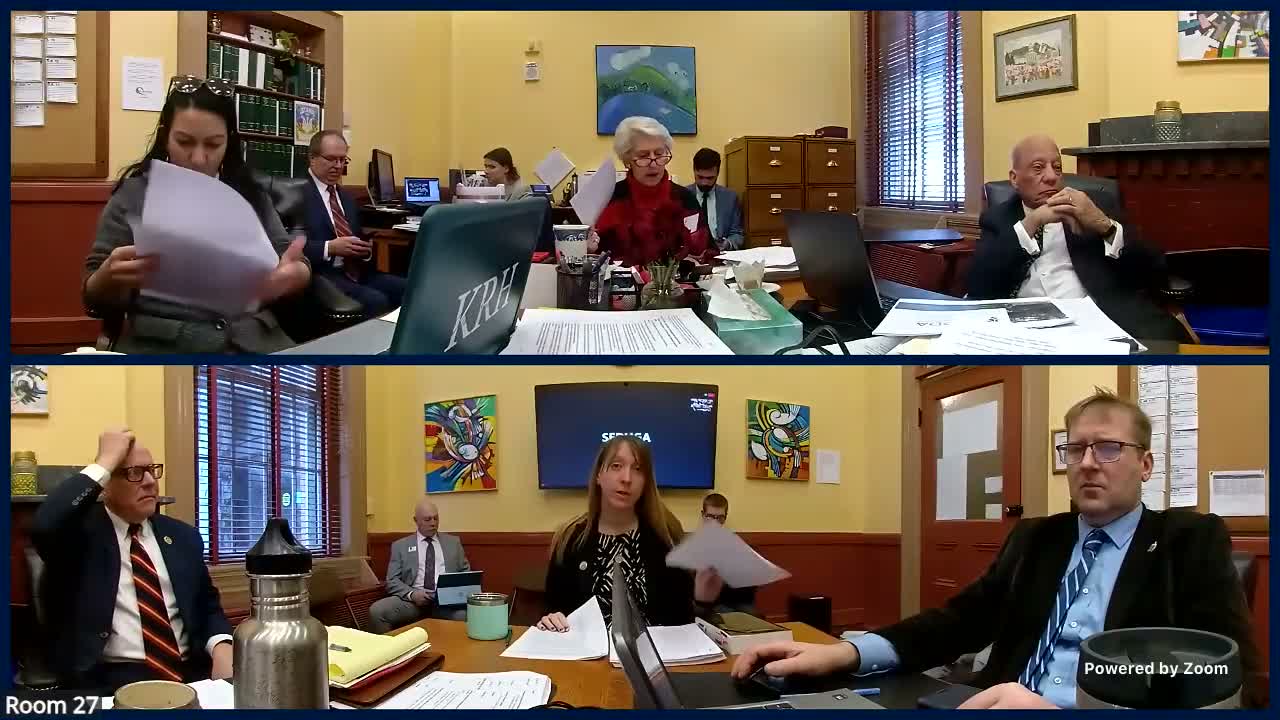
A legislative counsel summarized the statutory reforms in Act 47 (2023) and Act 1 81, focusing on how the acts change municipal zoning, Act 250 procedures and the state’s review role.
On Act 47, the counsel said municipalities may not require more than one parking space per dwelling unit in general, must allow duplexes where single‑family housing is permitted, and must allow multi‑unit dwellings of up to four units in areas served by municipal sewer and water unless the town adopts more permissive standards. The act also established a density bonus for affordable housing (up to a 40% unit increase or one additional floor in certain circumstances), required municipalities to upload zoning bylaws and districts to a state database, and limited some forms of zoning appeals tied to character‑of‑area objections for affordable housing projects.
Act 1 81 recast the state oversight structure for Act 250: the Natural Resources Board was reconstituted as a full‑time Land Use Review Board with professional, full‑time members and expanded staff, and the board was given authority to review regional plans and future land‑use maps for statutory compliance. The counsel explained Act 1 81’s location‑based jurisdiction (tiers) that define where Act 250 applies: tier 1a (full exemption for municipal designated centers), tier 1b (exemptions up to 49 units in certain growth areas), tier 2 (general state jurisdiction mostly unchanged), and tier 3 (critical natural resource areas where Act 250 applies). The bill also added new rulemaking obligations (tier definitions, road triggers and forest/habitat criteria) and transition requirements for transferring Act 250 permit conditions to municipal permits in tier 1a areas.
The counsel flagged several near‑term tasks and reports created by the statutes — rule deadlines, exemption sunset dates for priority housing projects and studies on appeals and tiering — and noted some deadlines had statutory extensions. Committee members asked for a concise one‑page summary of outstanding deadlines and transition steps.
What’s next: committee staff and counsel will provide a condensed summary of statutory deadlines and the outstanding rulemaking items to guide bill drafting and committee oversight this session.
On Act 47, the counsel said municipalities may not require more than one parking space per dwelling unit in general, must allow duplexes where single‑family housing is permitted, and must allow multi‑unit dwellings of up to four units in areas served by municipal sewer and water unless the town adopts more permissive standards. The act also established a density bonus for affordable housing (up to a 40% unit increase or one additional floor in certain circumstances), required municipalities to upload zoning bylaws and districts to a state database, and limited some forms of zoning appeals tied to character‑of‑area objections for affordable housing projects.
Act 1 81 recast the state oversight structure for Act 250: the Natural Resources Board was reconstituted as a full‑time Land Use Review Board with professional, full‑time members and expanded staff, and the board was given authority to review regional plans and future land‑use maps for statutory compliance. The counsel explained Act 1 81’s location‑based jurisdiction (tiers) that define where Act 250 applies: tier 1a (full exemption for municipal designated centers), tier 1b (exemptions up to 49 units in certain growth areas), tier 2 (general state jurisdiction mostly unchanged), and tier 3 (critical natural resource areas where Act 250 applies). The bill also added new rulemaking obligations (tier definitions, road triggers and forest/habitat criteria) and transition requirements for transferring Act 250 permit conditions to municipal permits in tier 1a areas.
The counsel flagged several near‑term tasks and reports created by the statutes — rule deadlines, exemption sunset dates for priority housing projects and studies on appeals and tiering — and noted some deadlines had statutory extensions. Committee members asked for a concise one‑page summary of outstanding deadlines and transition steps.
What’s next: committee staff and counsel will provide a condensed summary of statutory deadlines and the outstanding rulemaking items to guide bill drafting and committee oversight this session.
View the Full Meeting & All Its Details
This article offers just a summary. Unlock complete video, transcripts, and insights as a Founder Member.
✓
Watch full, unedited meeting videos
✓
Search every word spoken in unlimited transcripts
✓
AI summaries & real-time alerts (all government levels)
✓
Permanent access to expanding government content
30-day money-back guarantee
