Salisbury debate over ranked-choice voting centers on survey reliability and appointment reform
This article was created by AI summarizing key points discussed. AI makes mistakes, so for full details and context, please refer to the video of the full meeting. Please report any errors so we can fix them. Report an error »
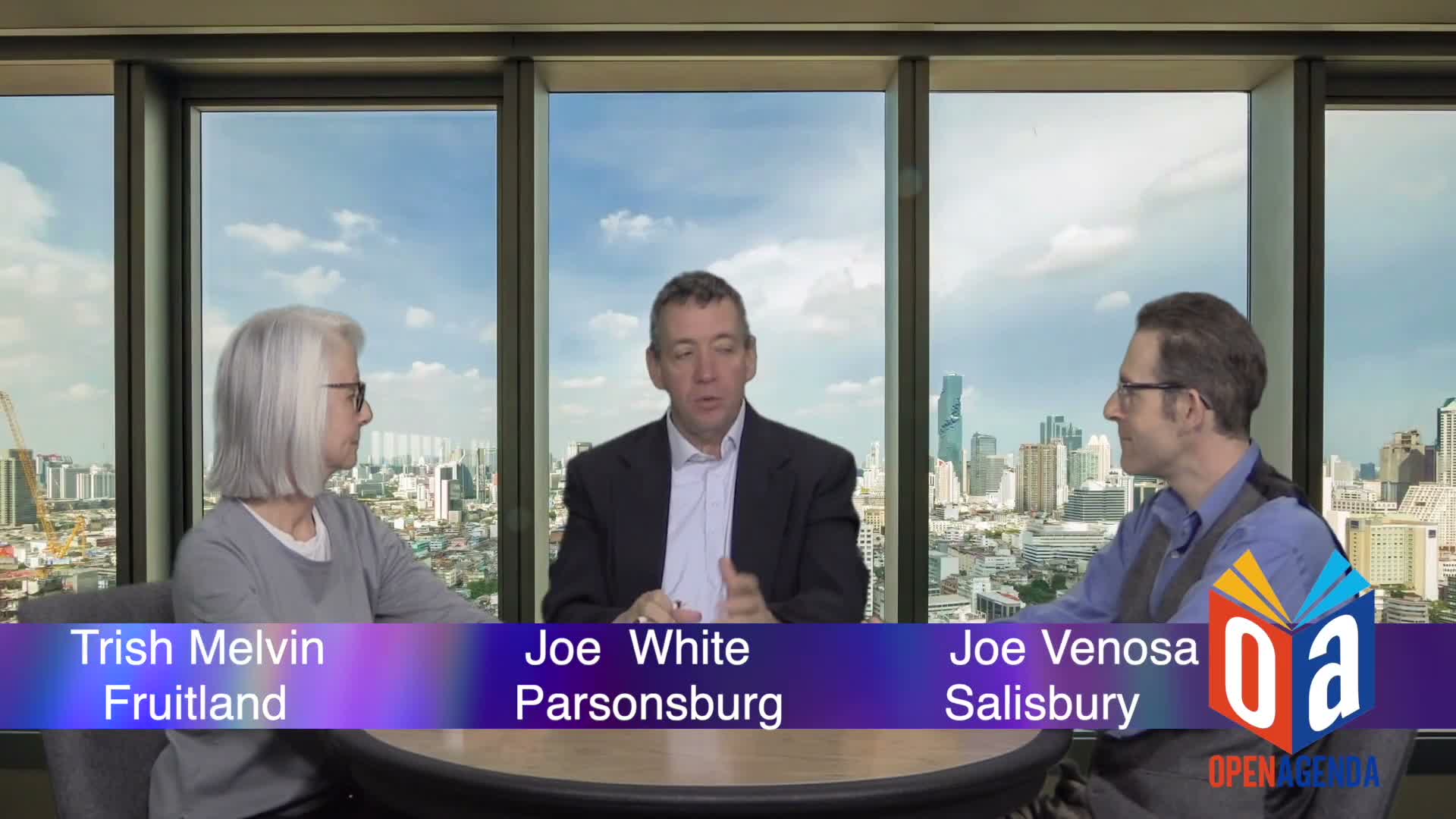
Salisbury residents and local commentators debated whether the Salisbury City Council should pursue ranked‑choice voting, with several guests urging caution and calling for clearer cost and methodology information.
Panelists said the proposal has two strands: the council is considering outreach (a survey and a March town hall) to gauge public interest in ranked‑choice voting, while many constituents have pressured officials primarily about appointment‑process reform. Trish Melvin, a Fruitland resident, said, "I have concerns" about introducing ranked‑choice voting amid an ongoing appointment debate.
Why it matters: supporters say ranked‑choice voting can broaden voter choice; critics said Salisbury’s nonpartisan, low‑candidate contests and tight budgets may make it an impractical change. Guests flagged a council estimate that a citywide runoff could cost about $85,000 and repeatedly urged the council to provide clear, verifiable cost figures before advancing any election changes.
Debate over the survey: callers and panelists criticized the proposed public survey as methodologically weak. One guest called it "buffoonery," warning polls can be "stacked" by motivated groups and that low response rates (a marketing example cited was about 2%) can render results misleading. Another guest noted a red flag scenario: if a city that typically sees 3,000 voters suddenly produced 5,000 survey responses, that discrepancy would indicate unreliable data.
Ballot vs. council action: some participants said placing RCV on the ballot would be a compromise that lets voters decide, rather than having a small group of officials adopt it by resolution. Others argued appointment‑process reform — changes to how vacancies are filled — is the substantive reform residents have asked for and should remain the council’s priority.
Claims and fact checks: a guest disputed a council claim that "many" Maryland cities and counties use ranked‑choice voting, saying only two Maryland cities have adopted it; the program’s participants treated that point as contested and called for clearer, sourced statements from council proponents. Panelists repeatedly requested transparent, statistically sound outreach rather than informal social‑media polls.
The council’s next steps were not finalized on the program. Guests expected further discussion at upcoming council meetings and a March town hall; no formal city action or vote on ranked‑choice voting was recorded during the radio program.
Panelists said the proposal has two strands: the council is considering outreach (a survey and a March town hall) to gauge public interest in ranked‑choice voting, while many constituents have pressured officials primarily about appointment‑process reform. Trish Melvin, a Fruitland resident, said, "I have concerns" about introducing ranked‑choice voting amid an ongoing appointment debate.
Why it matters: supporters say ranked‑choice voting can broaden voter choice; critics said Salisbury’s nonpartisan, low‑candidate contests and tight budgets may make it an impractical change. Guests flagged a council estimate that a citywide runoff could cost about $85,000 and repeatedly urged the council to provide clear, verifiable cost figures before advancing any election changes.
Debate over the survey: callers and panelists criticized the proposed public survey as methodologically weak. One guest called it "buffoonery," warning polls can be "stacked" by motivated groups and that low response rates (a marketing example cited was about 2%) can render results misleading. Another guest noted a red flag scenario: if a city that typically sees 3,000 voters suddenly produced 5,000 survey responses, that discrepancy would indicate unreliable data.
Ballot vs. council action: some participants said placing RCV on the ballot would be a compromise that lets voters decide, rather than having a small group of officials adopt it by resolution. Others argued appointment‑process reform — changes to how vacancies are filled — is the substantive reform residents have asked for and should remain the council’s priority.
Claims and fact checks: a guest disputed a council claim that "many" Maryland cities and counties use ranked‑choice voting, saying only two Maryland cities have adopted it; the program’s participants treated that point as contested and called for clearer, sourced statements from council proponents. Panelists repeatedly requested transparent, statistically sound outreach rather than informal social‑media polls.
The council’s next steps were not finalized on the program. Guests expected further discussion at upcoming council meetings and a March town hall; no formal city action or vote on ranked‑choice voting was recorded during the radio program.
View the Full Meeting & All Its Details
This article offers just a summary. Unlock complete video, transcripts, and insights as a Founder Member.
✓
Watch full, unedited meeting videos
✓
Search every word spoken in unlimited transcripts
✓
AI summaries & real-time alerts (all government levels)
✓
Permanent access to expanding government content
30-day money-back guarantee
