Rural Vermont urges lawmakers to enshrine farm exemptions in Title 24, not by reopening RAPs
January 17, 2026 | Agriculture, Food Resiliency, & Forestry, HOUSE OF REPRESENTATIVES, Committees, Legislative , Vermont
This article was created by AI summarizing key points discussed. AI makes mistakes, so for full details and context, please refer to the video of the full meeting. Please report any errors so we can fix them. Report an error »
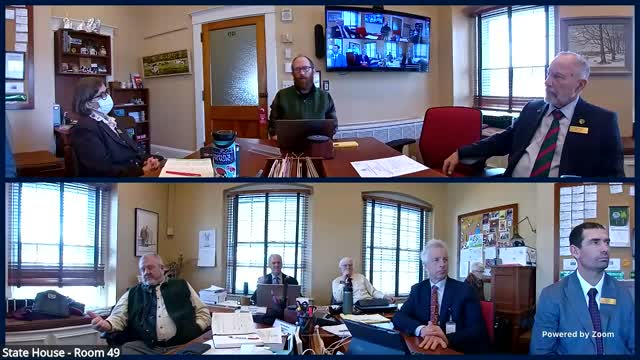
Eunice Rupertoff, policy director at Rural Vermont, told the Agriculture, Food Resiliency & Forestry Committee that the legislature should clarify longstanding intent that farming and food production are exempt from municipal zoning through statutory change to Title 24 rather than by reopening the Required Agricultural Practices (RAPs).
Rupertoff said precedent runs ‘‘back decades’’ and that a recent Supreme Court decision appeared not to follow that legislative intent. She said Rural Vermont and allied groups have drafted alternative language and want the committee to consider it alongside agency proposals. "We think that municipalities cannot, do not have any zoning authority over farms," she said.
The testimony sought to draw a clear boundary between hemp—which the coalition would treat as an agricultural product—and adult‑use cannabis, which coalition members said they do not seek to include in an exemption. Rupertoff argued direct‑sales pilots for medical or hemp markets can bring producers into regulated commerce; she cited national examples of states experimenting with producer direct sales.
Committee members debated whether the agency’s recommendation to address the municipal‑exemption phrase through RAPs could be a faster administrative route than a statute. Several members said reopening RAPs risks exposing the rule process to unrelated debates; one member said outright that cannabis is not ‘‘food’’ in their view and questioned whether the coalition was prepared to defend adult‑use cannabis in village centers.
Committee members agreed to hear additional testimony next week and to consult legislative counsel on whether statutory change in Title 24 or targeted rulemaking in the RAPs is the more appropriate, politically feasible path. The chair said the committee may draft a committee bill after further testimony.
The committee did not take any formal votes on statutory language during this meeting; members requested language from the coalition and the agency for side‑by‑side review.
Rupertoff said precedent runs ‘‘back decades’’ and that a recent Supreme Court decision appeared not to follow that legislative intent. She said Rural Vermont and allied groups have drafted alternative language and want the committee to consider it alongside agency proposals. "We think that municipalities cannot, do not have any zoning authority over farms," she said.
The testimony sought to draw a clear boundary between hemp—which the coalition would treat as an agricultural product—and adult‑use cannabis, which coalition members said they do not seek to include in an exemption. Rupertoff argued direct‑sales pilots for medical or hemp markets can bring producers into regulated commerce; she cited national examples of states experimenting with producer direct sales.
Committee members debated whether the agency’s recommendation to address the municipal‑exemption phrase through RAPs could be a faster administrative route than a statute. Several members said reopening RAPs risks exposing the rule process to unrelated debates; one member said outright that cannabis is not ‘‘food’’ in their view and questioned whether the coalition was prepared to defend adult‑use cannabis in village centers.
Committee members agreed to hear additional testimony next week and to consult legislative counsel on whether statutory change in Title 24 or targeted rulemaking in the RAPs is the more appropriate, politically feasible path. The chair said the committee may draft a committee bill after further testimony.
The committee did not take any formal votes on statutory language during this meeting; members requested language from the coalition and the agency for side‑by‑side review.
Don't Miss a Word: See the Full Meeting!
Go beyond summaries. Unlock every video, transcript, and key insight with a Founder Membership.
✓
Get instant access to full meeting videos
✓
Search and clip any phrase from complete transcripts
✓
Receive AI-powered summaries & custom alerts
✓
Enjoy lifetime, unrestricted access to government data
30-day money-back guarantee
