Testimony flags PFAS, microplastics and composting gaps as regulators, stakeholders disagree on rulemaking
January 17, 2026 | Agriculture, Food Resiliency, & Forestry, HOUSE OF REPRESENTATIVES, Committees, Legislative , Vermont
This article was created by AI summarizing key points discussed. AI makes mistakes, so for full details and context, please refer to the video of the full meeting. Please report any errors so we can fix them. Report an error »
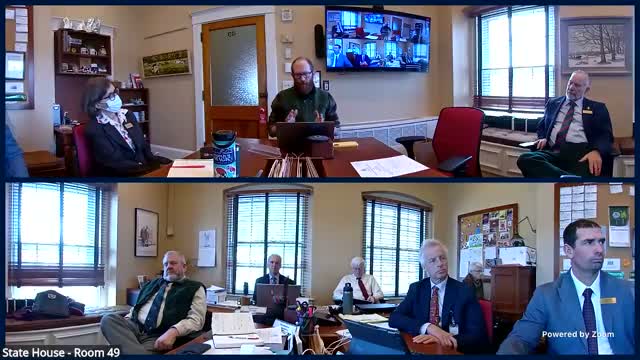
Speakers raised three linked environmental concerns: land application of sewage sludge and 'forever chemicals' (PFAS), microplastics and ag‑plastic contamination from recycling/depackaging streams, and gaps between composting statutes and existing Required Agricultural Practices (RAPs) guidance.
Eunice Rupertoff of Rural Vermont told the committee that other states’ experiences—she cited Maine—show farmers can suffer severe economic harm when contamination is found on their land. She urged that if Vermont moves toward restrictions on land application or tighter testing, a fund should be available to compensate landowners who lose productive capacity.
Committee members asked whether microplastics were part of the same regulatory conversation. Rupertoff said the Ag Innovation Board and implementation of universal recycling policies can concentrate plastics in materials that are later land‑applied; collection programs for bale wrap and other ag plastics exist but are logistically difficult and may shift waste to other jurisdictions.
On composting, witnesses said new statutory composting rules have been written into law in recent years but have not been inserted into the RAPs/manual guidance (the transcript contains inconsistent acronyms: RAPs, IEPs, IPs). Rural Vermont recommended targeted public rulemaking to correct gaps in composting guidance but opposed broad reopening of RAPs for the municipal‑exemption issue, arguing that doing so would invite unrelated battles.
No regulatory changes or votes were taken in the meeting; members requested additional technical testimony and said they would consider bringing agency staff and legislative counsel to explain the administrative options for targeted rulemaking versus statutes.
Eunice Rupertoff of Rural Vermont told the committee that other states’ experiences—she cited Maine—show farmers can suffer severe economic harm when contamination is found on their land. She urged that if Vermont moves toward restrictions on land application or tighter testing, a fund should be available to compensate landowners who lose productive capacity.
Committee members asked whether microplastics were part of the same regulatory conversation. Rupertoff said the Ag Innovation Board and implementation of universal recycling policies can concentrate plastics in materials that are later land‑applied; collection programs for bale wrap and other ag plastics exist but are logistically difficult and may shift waste to other jurisdictions.
On composting, witnesses said new statutory composting rules have been written into law in recent years but have not been inserted into the RAPs/manual guidance (the transcript contains inconsistent acronyms: RAPs, IEPs, IPs). Rural Vermont recommended targeted public rulemaking to correct gaps in composting guidance but opposed broad reopening of RAPs for the municipal‑exemption issue, arguing that doing so would invite unrelated battles.
No regulatory changes or votes were taken in the meeting; members requested additional technical testimony and said they would consider bringing agency staff and legislative counsel to explain the administrative options for targeted rulemaking versus statutes.
Don't Miss a Word: See the Full Meeting!
Go beyond summaries. Unlock every video, transcript, and key insight with a Founder Membership.
✓
Get instant access to full meeting videos
✓
Search and clip any phrase from complete transcripts
✓
Receive AI-powered summaries & custom alerts
✓
Enjoy lifetime, unrestricted access to government data
30-day money-back guarantee
