Blackouts and freezing temperatures leave Kyiv residents relying on volunteers for hot meals
This article was created by AI summarizing key points discussed. AI makes mistakes, so for full details and context, please refer to the video of the full meeting. Please report any errors so we can fix them. Report an error »
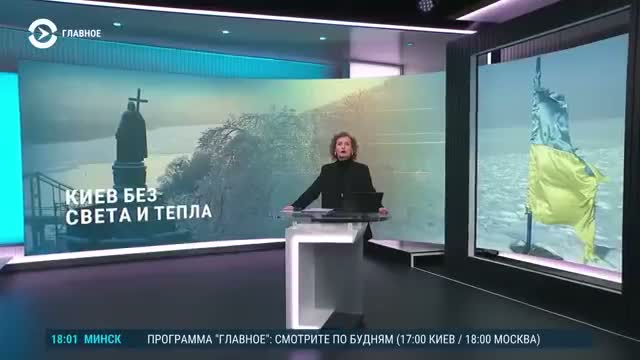
On Jan. 19, the Current Time program reported renewed Russian strikes on Ukraine's energy infrastructure that left large parts of Kyiv and Odesa region without electricity and heating. Local authorities told the broadcast that more than 30,000 apartments in Odesa region were without power and “about a hundred” multi-storey buildings in Kyiv remained without heat.
Reporter Igor Shevchuk described long queues for hot meals in a Kyiv neighborhood, where volunteers "distribute thousands of portions" daily and use generators and insulating blankets to keep food warm during transport. A resident waiting in line said, "Но ниче, мы выживаем" ("We survive, we do not complain").
Municipal services were said to be working round-the-clock to restore supplies; the program reported a rolling blackout schedule in Kyiv of roughly three hours with power followed by about ten hours without in some areas. The broadcast also noted that freezing temperatures (reported "около 10 мороза") and burst pipes have worsened living conditions in affected buildings.
Aid workers and volunteers told the program they prioritize deliveries to the areas of greatest need and prepare meals in kitchens running on generators. The report described practical measures used to keep food hot during transport, including wrapping meals in warm blankets.
The broadcast presented these developments as part of a broader pattern of attacks on energy infrastructure across Ukraine; it quoted officials and local reporters but did not present a formal tally of displaced people or an official nationwide damage estimate. The most recent procedural steps reported were continued emergency repairs and the ongoing distribution of humanitarian aid by volunteers and municipal crews.
Reporter Igor Shevchuk described long queues for hot meals in a Kyiv neighborhood, where volunteers "distribute thousands of portions" daily and use generators and insulating blankets to keep food warm during transport. A resident waiting in line said, "Но ниче, мы выживаем" ("We survive, we do not complain").
Municipal services were said to be working round-the-clock to restore supplies; the program reported a rolling blackout schedule in Kyiv of roughly three hours with power followed by about ten hours without in some areas. The broadcast also noted that freezing temperatures (reported "около 10 мороза") and burst pipes have worsened living conditions in affected buildings.
Aid workers and volunteers told the program they prioritize deliveries to the areas of greatest need and prepare meals in kitchens running on generators. The report described practical measures used to keep food hot during transport, including wrapping meals in warm blankets.
The broadcast presented these developments as part of a broader pattern of attacks on energy infrastructure across Ukraine; it quoted officials and local reporters but did not present a formal tally of displaced people or an official nationwide damage estimate. The most recent procedural steps reported were continued emergency repairs and the ongoing distribution of humanitarian aid by volunteers and municipal crews.
Don't Miss a Word: See the Full Meeting!
Go beyond summaries. Unlock every video, transcript, and key insight with a Founder Membership.
✓
Get instant access to full meeting videos
✓
Search and clip any phrase from complete transcripts
✓
Receive AI-powered summaries & custom alerts
✓
Enjoy lifetime, unrestricted access to government data
30-day money-back guarantee
