Santa Fe District 2 candidates differ on how to define and boost affordable housing
January 18, 2026 | Santa Fe, Santa Fe County, New Mexico
This article was created by AI summarizing key points discussed. AI makes mistakes, so for full details and context, please refer to the video of the full meeting. Please report any errors so we can fix them. Report an error »
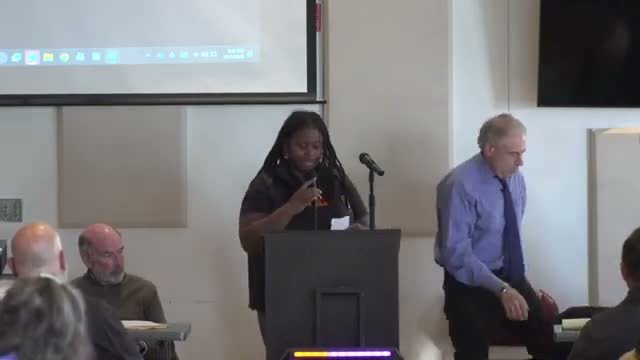
Candidates at a Santa Fe District 2 forum offered competing definitions and remedies for what counts as "affordable housing."
Paul Bustamante said affordability isn’t a $2,400 studio and urged raising eligibility thresholds: "Right now, it's a 120%. We need to raise that to at least 150, 160," he said, arguing that raising AMI thresholds would enable more residents to qualify for programs. He cited the Las Estrellas project as an example of re‑evaluating income assumptions.
Other candidates proposed a mix of supply and regulatory changes. Cam Crawford described affordability as housing working people can afford and recommended increasing supply, converting hotels and motels and revising the city's fee‑in‑lieu program. Vela advocated permitting and zoning reform to allow infill, casitas and accessory dwelling units (ADUs), calling the change a "math equation" that would lower construction costs.
Messner and Aurora Martinez emphasized smaller starter homes and homeownership as ways to keep families locally rooted. Stephanie Benonato recommended extending affordability or deed‑restriction periods beyond the typical 8–10 years and allowing ADU conversions to facilitate first‑time home purchases.
Candidate Trujillo urged relying more on local contractors rather than large private‑equity developers, blaming market concentration for higher prices. Burl Brechner suggested local creative solutions—including converting underused private spaces with city help and targeted subsidies—while Radek emphasized jobs and public‑private partnerships to raise wages that make housing affordable.
While candidates agreed affordability is a pressing local issue, they differed sharply on remedies—whether to change the AMI standard, increase supply through incentives, enforce different zoning reforms or adjust fee‑in‑lieu structures. The forum provided a policy palette for voters; no formal proposals were adopted during the event.
Paul Bustamante said affordability isn’t a $2,400 studio and urged raising eligibility thresholds: "Right now, it's a 120%. We need to raise that to at least 150, 160," he said, arguing that raising AMI thresholds would enable more residents to qualify for programs. He cited the Las Estrellas project as an example of re‑evaluating income assumptions.
Other candidates proposed a mix of supply and regulatory changes. Cam Crawford described affordability as housing working people can afford and recommended increasing supply, converting hotels and motels and revising the city's fee‑in‑lieu program. Vela advocated permitting and zoning reform to allow infill, casitas and accessory dwelling units (ADUs), calling the change a "math equation" that would lower construction costs.
Messner and Aurora Martinez emphasized smaller starter homes and homeownership as ways to keep families locally rooted. Stephanie Benonato recommended extending affordability or deed‑restriction periods beyond the typical 8–10 years and allowing ADU conversions to facilitate first‑time home purchases.
Candidate Trujillo urged relying more on local contractors rather than large private‑equity developers, blaming market concentration for higher prices. Burl Brechner suggested local creative solutions—including converting underused private spaces with city help and targeted subsidies—while Radek emphasized jobs and public‑private partnerships to raise wages that make housing affordable.
While candidates agreed affordability is a pressing local issue, they differed sharply on remedies—whether to change the AMI standard, increase supply through incentives, enforce different zoning reforms or adjust fee‑in‑lieu structures. The forum provided a policy palette for voters; no formal proposals were adopted during the event.
Don't Miss a Word: See the Full Meeting!
Go beyond summaries. Unlock every video, transcript, and key insight with a Founder Membership.
✓
Get instant access to full meeting videos
✓
Search and clip any phrase from complete transcripts
✓
Receive AI-powered summaries & custom alerts
✓
Enjoy lifetime, unrestricted access to government data
30-day money-back guarantee
