Montana moves toward beaver transplant pilots; conflict-resolution program reduces need for lethal removal
January 19, 2026 | Missoula, Missoula County, Montana
This article was created by AI summarizing key points discussed. AI makes mistakes, so for full details and context, please refer to the video of the full meeting. Please report any errors so we can fix them. Report an error »
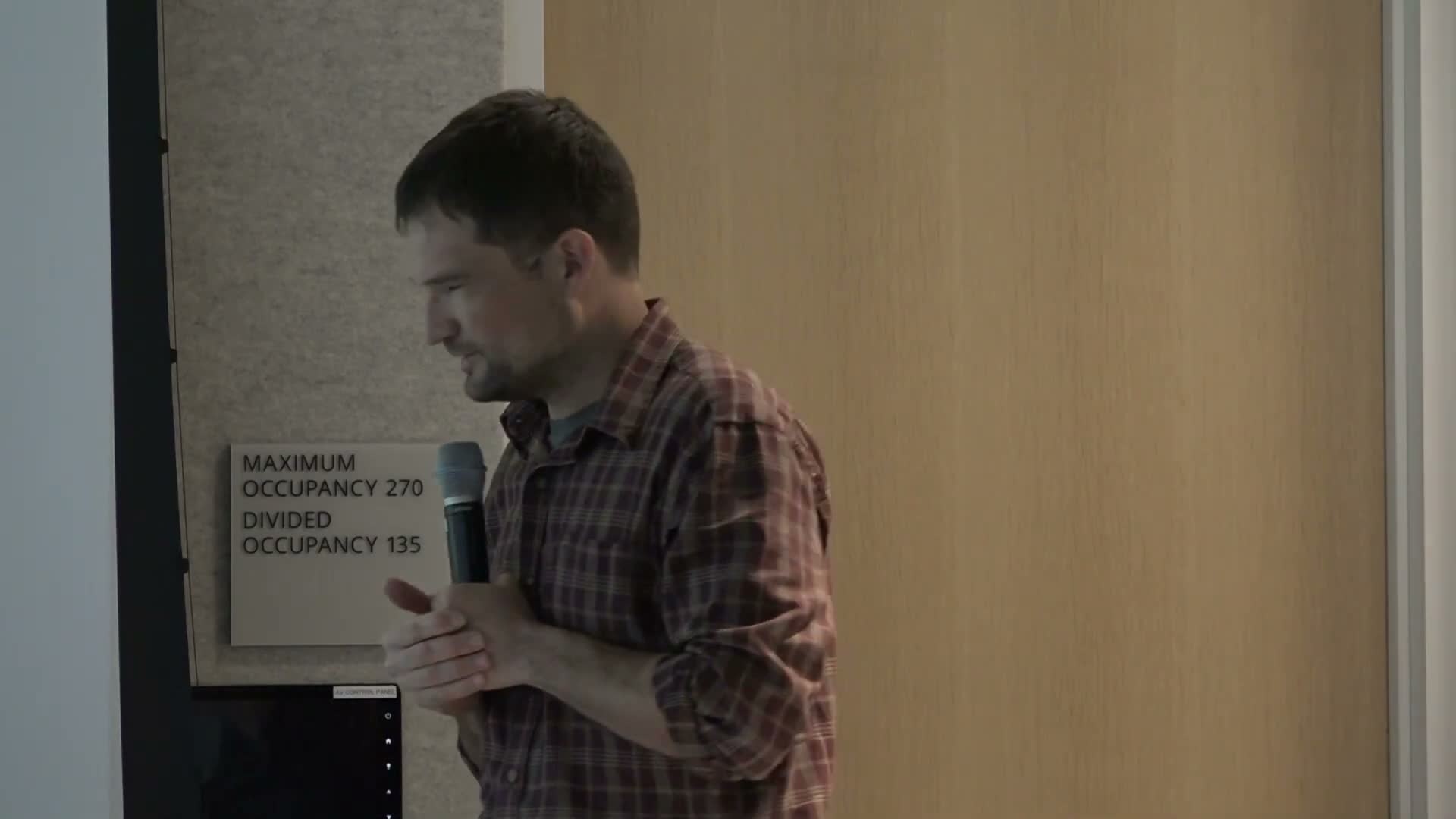
At the Rattlesnake Creek Watershed Group meeting, Tory Ritter described Montana’s steps to streamline beaver transplants and highlighted conflict-mitigation tools used across the state.
Ritter said the state recently completed a public comment period on a draft beaver transplant program and that a burdensome existing pathway (which can take months to process) makes rapid conflict responses impractical. "It takes like 3 months to do it," he said of the current process; he added that the agency had planned to bring a pilot for approval to a February commission meeting but had pushed that item to April.
Ritter described the Montana Beaver Conflict Resolution Program, run by the National Wildlife Federation with key contributions from Sarah Bates, which installs devices (for example, controlled-flow pipes through dams) that allow beavers to remain while preventing unwanted pond levels and flooding. "They have these really well designed devices ... where you can choose how high you want the beaver pond to be," Ritter said, and credited the program with enabling more restoration work by reducing the need for removal.
On trapping and lethal removal Ritter said nonlethal mitigation can resolve about 75% of conflicts but acknowledged that "there will always be at least a quarter of those conflicts where you do have to just completely remove the beavers," and he endorsed retaining removal as a last-resort tool while expanding translocation and tolerance measures.
Ritter said the agency hopes pilot transplant projects will preapprove receptive drainages for receiving beavers and that success could lead to a more efficient state program to move animals into beneficial sites.
Ritter said the state recently completed a public comment period on a draft beaver transplant program and that a burdensome existing pathway (which can take months to process) makes rapid conflict responses impractical. "It takes like 3 months to do it," he said of the current process; he added that the agency had planned to bring a pilot for approval to a February commission meeting but had pushed that item to April.
Ritter described the Montana Beaver Conflict Resolution Program, run by the National Wildlife Federation with key contributions from Sarah Bates, which installs devices (for example, controlled-flow pipes through dams) that allow beavers to remain while preventing unwanted pond levels and flooding. "They have these really well designed devices ... where you can choose how high you want the beaver pond to be," Ritter said, and credited the program with enabling more restoration work by reducing the need for removal.
On trapping and lethal removal Ritter said nonlethal mitigation can resolve about 75% of conflicts but acknowledged that "there will always be at least a quarter of those conflicts where you do have to just completely remove the beavers," and he endorsed retaining removal as a last-resort tool while expanding translocation and tolerance measures.
Ritter said the agency hopes pilot transplant projects will preapprove receptive drainages for receiving beavers and that success could lead to a more efficient state program to move animals into beneficial sites.
View the Full Meeting & All Its Details
This article offers just a summary. Unlock complete video, transcripts, and insights as a Founder Member.
✓
Watch full, unedited meeting videos
✓
Search every word spoken in unlimited transcripts
✓
AI summaries & real-time alerts (all government levels)
✓
Permanent access to expanding government content
30-day money-back guarantee
