Health-care providers praise federal boost to rural care; details not specified
January 17, 2026 | Department of State, Executive, Federal
This article was created by AI summarizing key points discussed. AI makes mistakes, so for full details and context, please refer to the video of the full meeting. Please report any errors so we can fix them. Report an error »
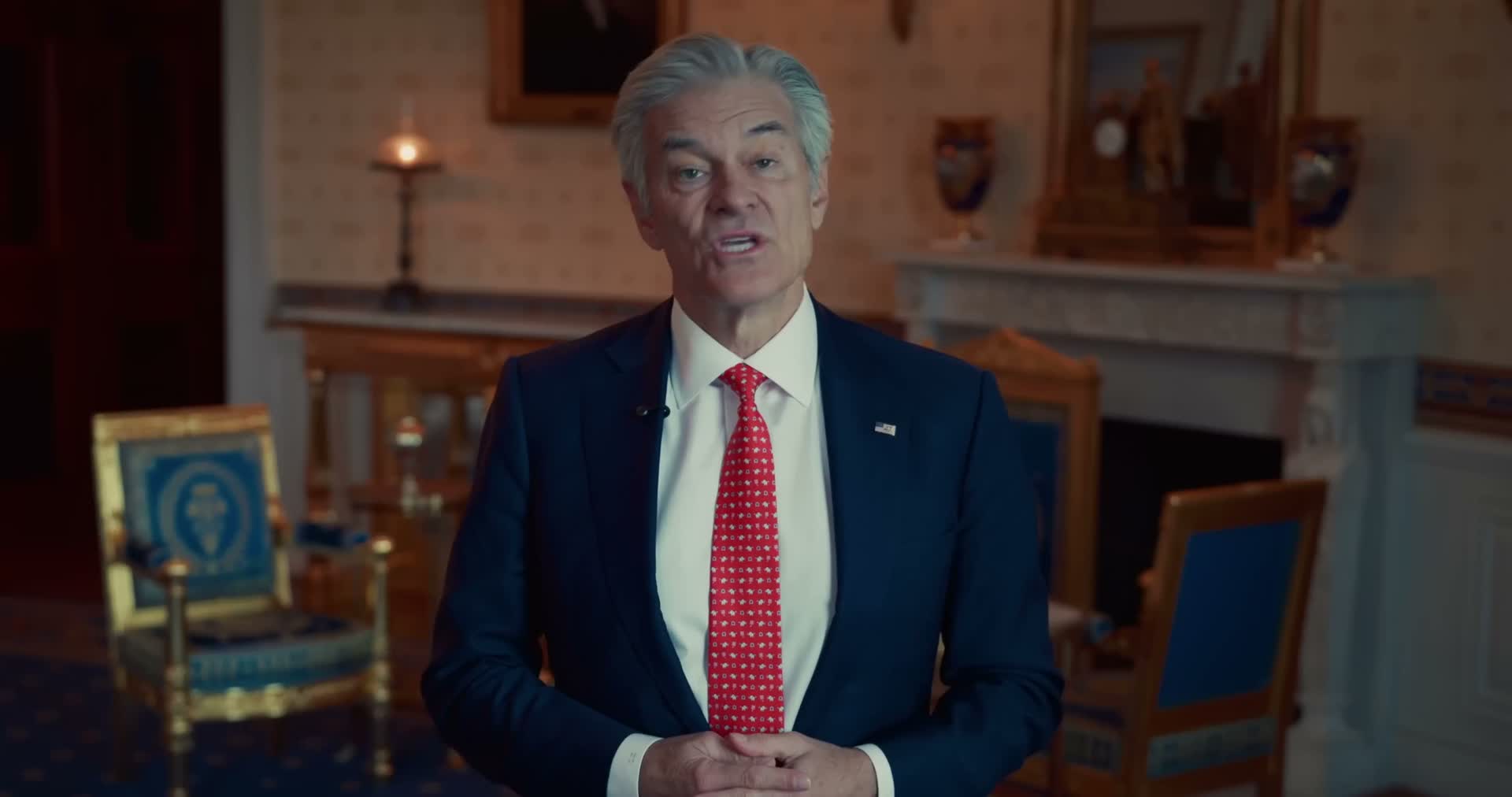
Unidentified Speaker 1 said, "This is the largest investment in rural health ever in American history," framing the event around a major federal infusion aimed at rural health care.
Several health-care professionals — including an Unidentified Speaker 2 speaking on behalf of "the 60,000 CRNAs," an Unidentified Speaker 3 identified as a nurse practitioner, and an Unidentified Speaker 4 who said they are a physician in rural Georgia — thanked President Trump and described how the resources could improve access in small towns. "On behalf of the 60,000 CRNAs, I'd like to thank President Trump and this administration for their support for rural health care," said Unidentified Speaker 2.
Speakers outlined intended goals for the investment: expanding access to care, improving efficiency, and reducing the distance patients must travel to reach physicians so they can obtain higher-quality care closer to home. Unidentified Speaker 4 said the aim is to "expand access to care, improve efficiency, and improve patients' proximity to their doctors." Unidentified Speaker 5 warned that "so many people are profiting, but not at the benefit of the patients," and urged a renewed focus on the physician–patient relationship.
Other participants stressed workforce and facility impacts. Unidentified Speaker 7 said the plan would help "keep our small hospital vibrant" and make facilities "technologically advanced." Unidentified Speaker 1 said the funding would allow communities to "bring practitioners, doctors, nurses into these communities" who might stay for decades.
The transcript attributes a timeframe to the expected change: "Next 5 years will change the face of rural health care," said Unidentified Speaker 1. The event transcript does not identify a program name, legislative text, specific funding amounts, funding sources, or an implementing agency. It does not record any formal vote, motion, or administrative action; speakers offered statements of support and expectations.
By the end of the recorded remarks, speakers had primarily offered endorsements and projections rather than operational details. No authority (statute, regulation, or specific federal program) was cited in the transcript, and no next procedural step or implementation schedule was provided.
Several health-care professionals — including an Unidentified Speaker 2 speaking on behalf of "the 60,000 CRNAs," an Unidentified Speaker 3 identified as a nurse practitioner, and an Unidentified Speaker 4 who said they are a physician in rural Georgia — thanked President Trump and described how the resources could improve access in small towns. "On behalf of the 60,000 CRNAs, I'd like to thank President Trump and this administration for their support for rural health care," said Unidentified Speaker 2.
Speakers outlined intended goals for the investment: expanding access to care, improving efficiency, and reducing the distance patients must travel to reach physicians so they can obtain higher-quality care closer to home. Unidentified Speaker 4 said the aim is to "expand access to care, improve efficiency, and improve patients' proximity to their doctors." Unidentified Speaker 5 warned that "so many people are profiting, but not at the benefit of the patients," and urged a renewed focus on the physician–patient relationship.
Other participants stressed workforce and facility impacts. Unidentified Speaker 7 said the plan would help "keep our small hospital vibrant" and make facilities "technologically advanced." Unidentified Speaker 1 said the funding would allow communities to "bring practitioners, doctors, nurses into these communities" who might stay for decades.
The transcript attributes a timeframe to the expected change: "Next 5 years will change the face of rural health care," said Unidentified Speaker 1. The event transcript does not identify a program name, legislative text, specific funding amounts, funding sources, or an implementing agency. It does not record any formal vote, motion, or administrative action; speakers offered statements of support and expectations.
By the end of the recorded remarks, speakers had primarily offered endorsements and projections rather than operational details. No authority (statute, regulation, or specific federal program) was cited in the transcript, and no next procedural step or implementation schedule was provided.
View the Full Meeting & All Its Details
This article offers just a summary. Unlock complete video, transcripts, and insights as a Founder Member.
✓
Watch full, unedited meeting videos
✓
Search every word spoken in unlimited transcripts
✓
AI summaries & real-time alerts (all government levels)
✓
Permanent access to expanding government content
30-day money-back guarantee
