DFR presents options and risks for coerced‑debt protections; committee requests further study
January 17, 2026 | Commerce & Economic Development, HOUSE OF REPRESENTATIVES, Committees, Legislative , Vermont
This article was created by AI summarizing key points discussed. AI makes mistakes, so for full details and context, please refer to the video of the full meeting. Please report any errors so we can fix them. Report an error »
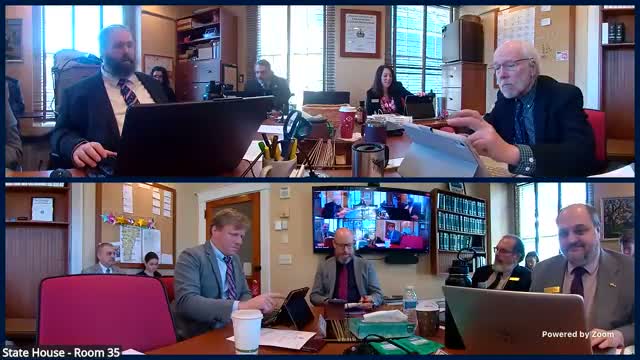
The Department of Financial Regulation presented findings on coerced‑debt protections—laws that allow victims of coercion to challenge debts obtained under duress. Joe Valente summarized examples and the policy trade‑offs the committee would need to weigh.
Valente described classic scenarios such as a domestic‑violence survivor forced to sign a vehicle loan or co‑erced credit obligations and said state approaches vary in scope. “Some states limit relief to unsecured credit cards or to debts incurred after a law’s effective date; others allow challenges to a broader set of unsecured debts and various procedural safeguards,” he said.
DFR cited six states with laws addressing coerced debt, including Connecticut’s narrow approach (unsecured credit cards, new debts only) and New York’s broader statute that includes secured debt remedies with specific handling of collateral. Valente highlighted legal uncertainty over FCRA (Fair Credit Reporting Act) preemption and the limited track record in states that have adopted these protections. He said DFR did not reach consensus and remained neutral, noting risks that overly broad relief could create market consequences—higher prices, increased screening, or fewer loans—while too‑narrow relief could leave survivors without practical help.
Committee members asked detailed questions about safeguards: whether claims should block collections upon filing or only after adjudication, how to limit repeat or abusive filings, which debts are eligible, and whether qualified third‑party sworn statements (from counselors, social workers or clinicians) should suffice for initial relief. Valente said common protections include evidence thresholds, confidentiality and procedures to avoid exposing victims to perpetrators.
No consensus emerged to draft a bill; several members asked for additional stakeholder testimony, analysis of credit‑reporting implications, and drafting options to balance survivor relief with market protections. The committee will return to the issue after further study.
Valente described classic scenarios such as a domestic‑violence survivor forced to sign a vehicle loan or co‑erced credit obligations and said state approaches vary in scope. “Some states limit relief to unsecured credit cards or to debts incurred after a law’s effective date; others allow challenges to a broader set of unsecured debts and various procedural safeguards,” he said.
DFR cited six states with laws addressing coerced debt, including Connecticut’s narrow approach (unsecured credit cards, new debts only) and New York’s broader statute that includes secured debt remedies with specific handling of collateral. Valente highlighted legal uncertainty over FCRA (Fair Credit Reporting Act) preemption and the limited track record in states that have adopted these protections. He said DFR did not reach consensus and remained neutral, noting risks that overly broad relief could create market consequences—higher prices, increased screening, or fewer loans—while too‑narrow relief could leave survivors without practical help.
Committee members asked detailed questions about safeguards: whether claims should block collections upon filing or only after adjudication, how to limit repeat or abusive filings, which debts are eligible, and whether qualified third‑party sworn statements (from counselors, social workers or clinicians) should suffice for initial relief. Valente said common protections include evidence thresholds, confidentiality and procedures to avoid exposing victims to perpetrators.
No consensus emerged to draft a bill; several members asked for additional stakeholder testimony, analysis of credit‑reporting implications, and drafting options to balance survivor relief with market protections. The committee will return to the issue after further study.
Don't Miss a Word: See the Full Meeting!
Go beyond summaries. Unlock every video, transcript, and key insight with a Founder Membership.
✓
Get instant access to full meeting videos
✓
Search and clip any phrase from complete transcripts
✓
Receive AI-powered summaries & custom alerts
✓
Enjoy lifetime, unrestricted access to government data
30-day money-back guarantee
