County reviews winter preparedness plan, shelter thresholds and proposed MOU with Portland for 24/7 sheltering
January 17, 2026 | Multnomah County, Oregon
This article was created by AI summarizing key points discussed. AI makes mistakes, so for full details and context, please refer to the video of the full meeting. Please report any errors so we can fix them. Report an error »
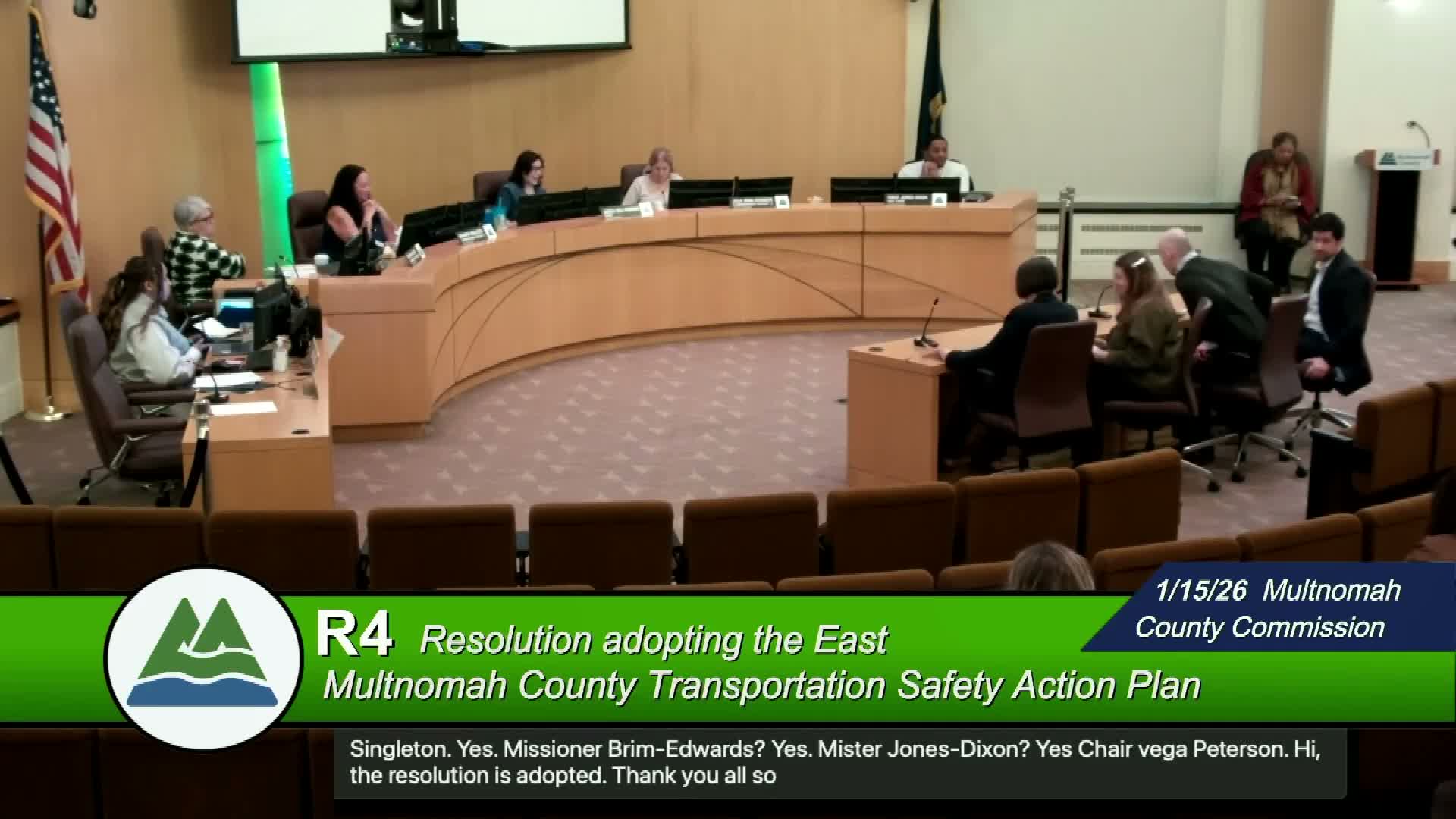
Emergency Management Director Chris Foss and Department of County Human Services Interim Director Rachel Pearl provided a detailed briefing on the county’s winter preparedness and severe weather sheltering operations. Foss described operational changes, including consolidation of two warehouses into a single supply center to save costs, refined activation thresholds (staff said concern begins when temperatures reach about 25°F, with expanded outreach at 32°F if other risk factors like rain, snow or ice are present) and continued emphasis on flexible, incident‑by‑incident judgment when deciding activation and closure times.
Foss outlined a near‑final memorandum of understanding (MOU) under negotiation with the City of Portland that would compensate the city for the additional daytime costs of running overnight shelters 24/7 during severe events; the county would likely cover daytime staffing and meals while leveraging city facilities and contractors. Staff said the arrangement is expected to increase capacity and reduce volunteer staffing strain during large activations.
Rachel Pearl described operational planning for staffing, volunteer recruitment and training, an expanded call system for shelter support (reducing single‑point call handling), and a volunteer web page with sign‑up and training resources. The county is planning for the ability to shelter roughly 1,300 people (with overage planning to 1,500) and has one rented facility on the Inner East Side to allow rapid expansion if needed. Transportation coordination includes 2‑1‑1, TriMet assistance during declared emergencies, and ad hoc Lyft/ride arrangements where feasible.
Board members asked detailed questions about restroom facilities at converted shelters, hospital transport policies for guests with medical needs, staffing expectations for city contractor sites, and East County facility selection. Staff said many of those operational details are being finalized and that they will provide follow‑up materials and cleaned crash/shelter data displays as requested.
What to watch: negotiation details of the city–county MOU, finalized site lists and restroom/accessibility assurances at any site converted to 24‑hour operations, and staffing/transportation contingency plans ahead of severe events.
Foss outlined a near‑final memorandum of understanding (MOU) under negotiation with the City of Portland that would compensate the city for the additional daytime costs of running overnight shelters 24/7 during severe events; the county would likely cover daytime staffing and meals while leveraging city facilities and contractors. Staff said the arrangement is expected to increase capacity and reduce volunteer staffing strain during large activations.
Rachel Pearl described operational planning for staffing, volunteer recruitment and training, an expanded call system for shelter support (reducing single‑point call handling), and a volunteer web page with sign‑up and training resources. The county is planning for the ability to shelter roughly 1,300 people (with overage planning to 1,500) and has one rented facility on the Inner East Side to allow rapid expansion if needed. Transportation coordination includes 2‑1‑1, TriMet assistance during declared emergencies, and ad hoc Lyft/ride arrangements where feasible.
Board members asked detailed questions about restroom facilities at converted shelters, hospital transport policies for guests with medical needs, staffing expectations for city contractor sites, and East County facility selection. Staff said many of those operational details are being finalized and that they will provide follow‑up materials and cleaned crash/shelter data displays as requested.
What to watch: negotiation details of the city–county MOU, finalized site lists and restroom/accessibility assurances at any site converted to 24‑hour operations, and staffing/transportation contingency plans ahead of severe events.
View the Full Meeting & All Its Details
This article offers just a summary. Unlock complete video, transcripts, and insights as a Founder Member.
✓
Watch full, unedited meeting videos
✓
Search every word spoken in unlimited transcripts
✓
AI summaries & real-time alerts (all government levels)
✓
Permanent access to expanding government content
30-day money-back guarantee
