Council meeting: Staff say nitrate removed but warn microbes, nitrogen gas could reach Bear Creek without controls
January 17, 2026 | Rock Springs City Council, Rock Springs, Sweetwater County, Wyoming
This article was created by AI summarizing key points discussed. AI makes mistakes, so for full details and context, please refer to the video of the full meeting. Please report any errors so we can fix them. Report an error »
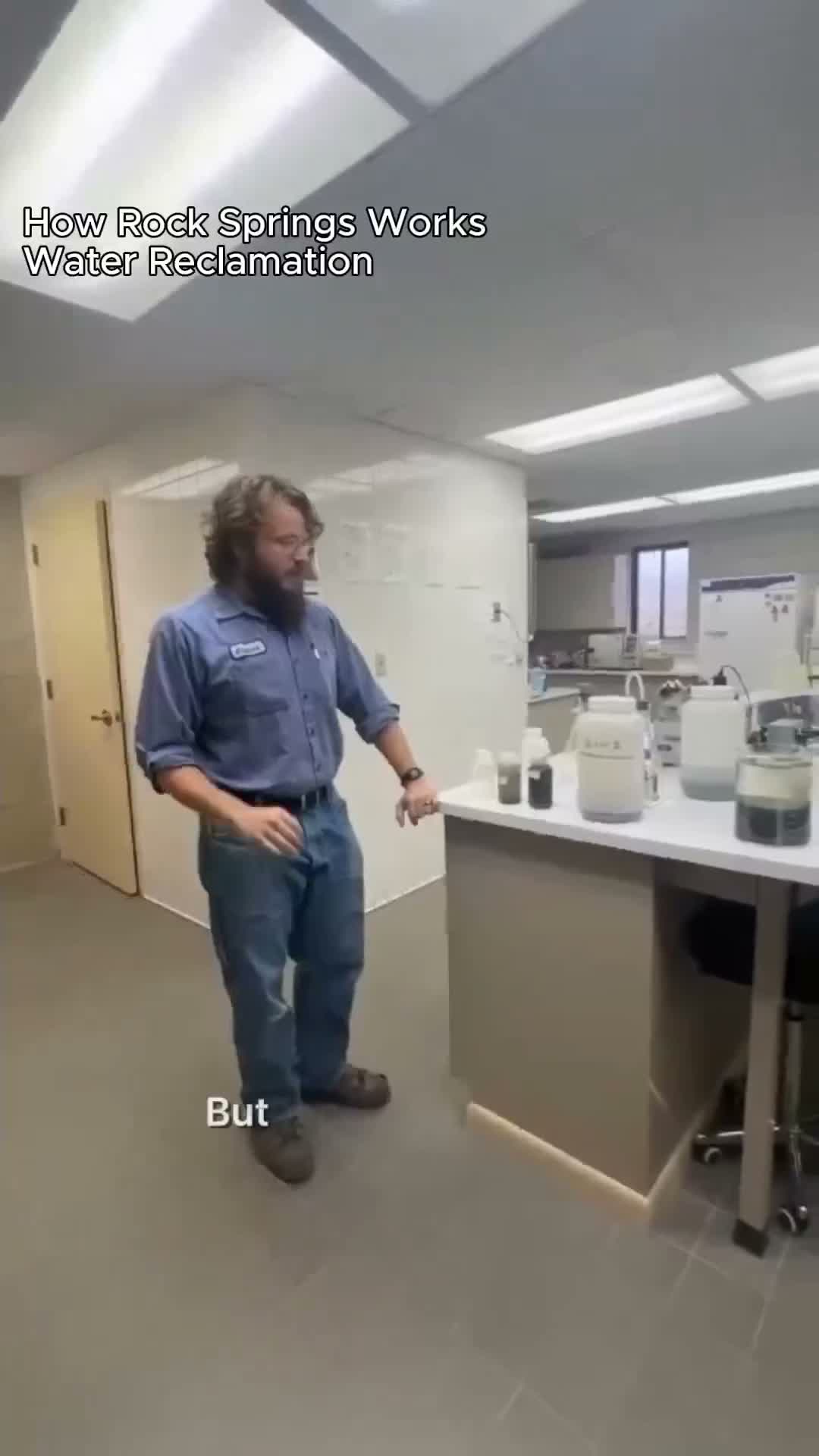
At a Rock Springs City Council meeting segment, an unidentified plant staff member reported that “Most importantly, that nitrate has been removed from the wastewater,” and urged continued care in treatment operations to prevent unintended discharges to Bear Creek.
The speaker said the treated effluent is not being sent to the creek but raised a separate concern about nitrogen gas generated during treatment. “If all of that is happening down here under our blanket and a bunch of nitrogen gas is being produced, this blanket goes along for a ride up to the top,” the speaker said, warning the gas could carry microbes into the clarifier and then out to the creek.
Why it matters: even when target pollutants such as nitrate are removed, operational byproducts and process upsets can allow treatment microbes or gases to escape the system and affect downstream water quality. The speaker said routine testing and close monitoring are needed to avoid that outcome.
Details from the discussion: the speaker said staff must be careful after about four hours of holding time in their test runs to ensure the plant is not inadvertently releasing large numbers of treatment microbes into Bear Creek. “So we have to make sure after about 4 hours, we’re being very generous with how long we’re holding this stuff… make sure we’re not discharging a whole bunch of our bugs out to the Bear Creek,” the speaker said.
The speaker also described ditches on site as “large, incubators for the bugs that we want,” and emphasized the need to match organic food to microbial populations to avoid process upsets. They noted microbes can produce acids as a byproduct of metabolizing wastewater and warned that swings in pH could inhibit the treatment process: “if our pH goes too high, too low, that can inhibit our, our process.”
A second unidentified participant added a comparative observation about local water quality, saying water discharged from the plant appears to improve conditions in the western part of Bear Creek compared with the eastern reach.
No formal motion or vote on operational changes or regulatory action appears in the transcript of this segment. The discussion centered on technical controls — holding time, feeding regimes and pH monitoring — that staff said are necessary to prevent microbes or gas-related carryover into downstream waters.
The speaker said the treated effluent is not being sent to the creek but raised a separate concern about nitrogen gas generated during treatment. “If all of that is happening down here under our blanket and a bunch of nitrogen gas is being produced, this blanket goes along for a ride up to the top,” the speaker said, warning the gas could carry microbes into the clarifier and then out to the creek.
Why it matters: even when target pollutants such as nitrate are removed, operational byproducts and process upsets can allow treatment microbes or gases to escape the system and affect downstream water quality. The speaker said routine testing and close monitoring are needed to avoid that outcome.
Details from the discussion: the speaker said staff must be careful after about four hours of holding time in their test runs to ensure the plant is not inadvertently releasing large numbers of treatment microbes into Bear Creek. “So we have to make sure after about 4 hours, we’re being very generous with how long we’re holding this stuff… make sure we’re not discharging a whole bunch of our bugs out to the Bear Creek,” the speaker said.
The speaker also described ditches on site as “large, incubators for the bugs that we want,” and emphasized the need to match organic food to microbial populations to avoid process upsets. They noted microbes can produce acids as a byproduct of metabolizing wastewater and warned that swings in pH could inhibit the treatment process: “if our pH goes too high, too low, that can inhibit our, our process.”
A second unidentified participant added a comparative observation about local water quality, saying water discharged from the plant appears to improve conditions in the western part of Bear Creek compared with the eastern reach.
No formal motion or vote on operational changes or regulatory action appears in the transcript of this segment. The discussion centered on technical controls — holding time, feeding regimes and pH monitoring — that staff said are necessary to prevent microbes or gas-related carryover into downstream waters.
View the Full Meeting & All Its Details
This article offers just a summary. Unlock complete video, transcripts, and insights as a Founder Member.
✓
Watch full, unedited meeting videos
✓
Search every word spoken in unlimited transcripts
✓
AI summaries & real-time alerts (all government levels)
✓
Permanent access to expanding government content
30-day money-back guarantee
