UN official says UNIFIL will stay through Dec. 31, 2026; warns rising incidents are putting peacekeepers at risk
January 17, 2026 | United Nations, International
This article was created by AI summarizing key points discussed. AI makes mistakes, so for full details and context, please refer to the video of the full meeting. Please report any errors so we can fix them. Report an error »
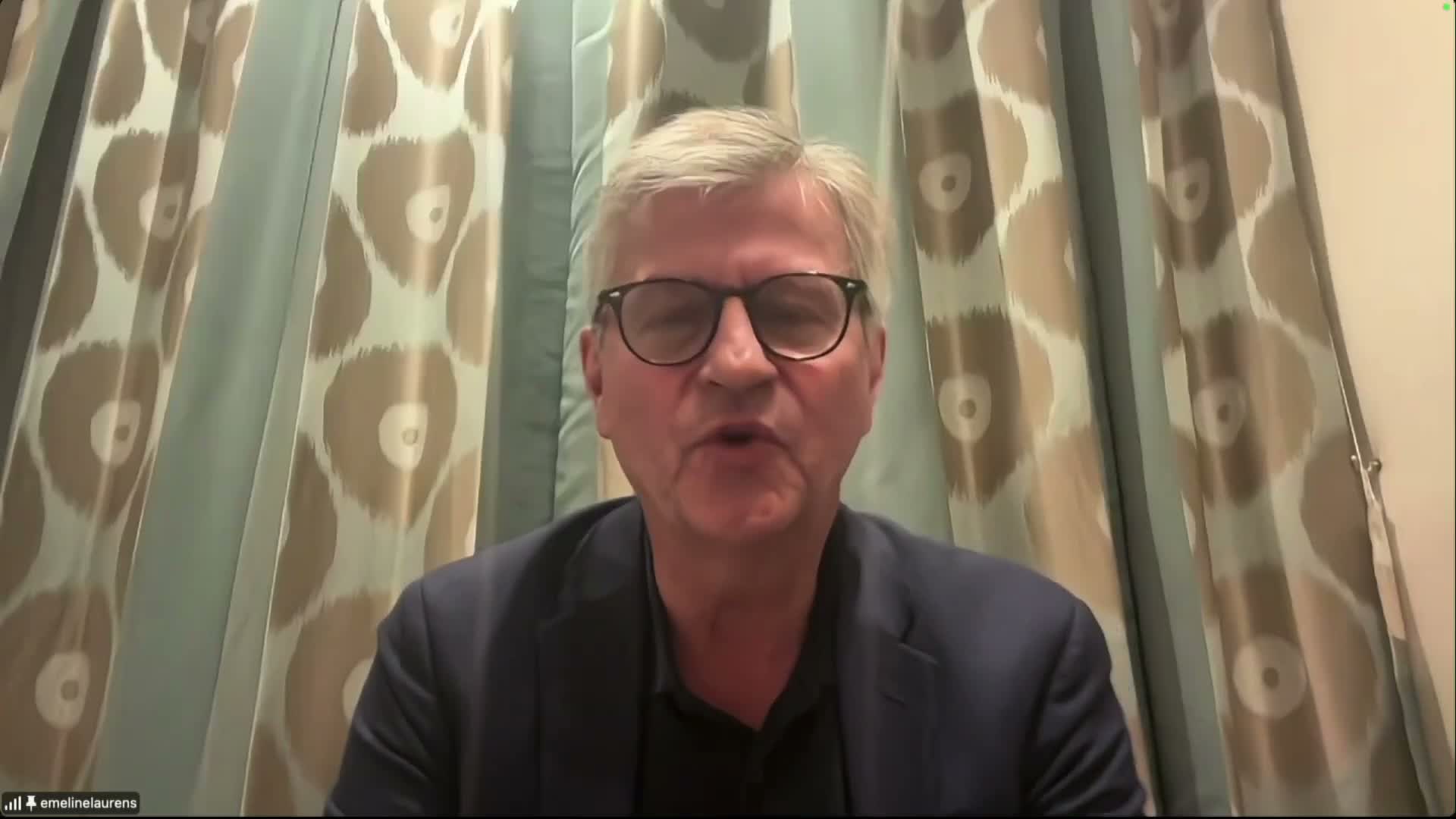
Jean Pierre Lacroix, the United Nations Under‑Secretary‑General for Peace Operations, told reporters that UN peacekeepers in Lebanon will continue to "deliver on its mandate" and support the Lebanese Armed Forces through 31 December 2026, and he warned that a rising number of hostile incidents has endangered mission personnel.
Lacroix said the Security Council has asked the Secretary‑General for options on UN support to implementation of Security Council resolution 1701 after UNIFIL’s mandate ends, and the UN is preparing a report for the Security Council with a January deadline. "Until 31 December 2026, UNIFIL will continue to support Lebanese armed forces," he said, adding that there is "no pre drawdown mandate."
The briefing centered on three interlinked themes: the timetable for UNIFIL’s departure, operational constraints from budget cuts, and immediate safety risks to peacekeepers. On funding, Lacroix said missions are documenting the impact of cuts and that some units have reduced patrols and focused on priority areas, which can leave gaps in presence and affect support to local security and humanitarian access. "They have, by definition, reduced the number of patrols," he said, and teams are trying to "innovate and adapt" to mitigate the effect of savings plans.
Lacroix expressed particular concern about incidents involving the Israel Defense Forces. "A number of these incidents could have been, could have had very tragic consequences on our peacekeepers," he said, and he called on parties to do "what it takes to avoid these incidents moving forward" to guarantee peacekeeper safety.
On the drawdown timetable, Lacroix repeated that the Security Council resolution sets the end point and that the withdrawal process will start only after the mandate expires. "After that, UNIFIL will have no mandate anymore... the only thing that our UNIFIL peacekeepers will have to do is... draw down and essentially... organize the departure of the force," he said.
Lacroix also highlighted related operational issues in the region: he said the UNDOF mission in the Golan continues to be supported by the Security Council and that the UN is seeing large scale devastation in areas south of the Blue Line where civilians have not been able to return. He appealed for donor support for mine action efforts across Syria, Lebanon, Gaza and the West Bank, saying UN Mine Action Service operations need more equipment, visas and financial backing. "We are willing to do more in Syria... and I'm personally willing to reach out to potential donors to encourage them to provide more support," he said.
Reporters pressed Lacroix on whether a smaller UN presence might remain after UNIFIL and on whether the Lebanese Armed Forces will have the capacity to secure the southern border. Lacroix said Lebanese authorities have signaled interest in retaining some UN presence, but any decision would be taken by the Security Council; he noted progress and "momentum" in Lebanese political will while stressing that the LAF still needs resources and international support to increase capacity.
The briefing concluded with Lacroix saying the UN will continue consultations with Lebanese authorities, member states and regional partners as it prepares options for the Security Council and the Secretary‑General’s forthcoming report. The session ended without formal UN decisions or announcements about a post‑UNIFIL arrangement.
Lacroix said the Security Council has asked the Secretary‑General for options on UN support to implementation of Security Council resolution 1701 after UNIFIL’s mandate ends, and the UN is preparing a report for the Security Council with a January deadline. "Until 31 December 2026, UNIFIL will continue to support Lebanese armed forces," he said, adding that there is "no pre drawdown mandate."
The briefing centered on three interlinked themes: the timetable for UNIFIL’s departure, operational constraints from budget cuts, and immediate safety risks to peacekeepers. On funding, Lacroix said missions are documenting the impact of cuts and that some units have reduced patrols and focused on priority areas, which can leave gaps in presence and affect support to local security and humanitarian access. "They have, by definition, reduced the number of patrols," he said, and teams are trying to "innovate and adapt" to mitigate the effect of savings plans.
Lacroix expressed particular concern about incidents involving the Israel Defense Forces. "A number of these incidents could have been, could have had very tragic consequences on our peacekeepers," he said, and he called on parties to do "what it takes to avoid these incidents moving forward" to guarantee peacekeeper safety.
On the drawdown timetable, Lacroix repeated that the Security Council resolution sets the end point and that the withdrawal process will start only after the mandate expires. "After that, UNIFIL will have no mandate anymore... the only thing that our UNIFIL peacekeepers will have to do is... draw down and essentially... organize the departure of the force," he said.
Lacroix also highlighted related operational issues in the region: he said the UNDOF mission in the Golan continues to be supported by the Security Council and that the UN is seeing large scale devastation in areas south of the Blue Line where civilians have not been able to return. He appealed for donor support for mine action efforts across Syria, Lebanon, Gaza and the West Bank, saying UN Mine Action Service operations need more equipment, visas and financial backing. "We are willing to do more in Syria... and I'm personally willing to reach out to potential donors to encourage them to provide more support," he said.
Reporters pressed Lacroix on whether a smaller UN presence might remain after UNIFIL and on whether the Lebanese Armed Forces will have the capacity to secure the southern border. Lacroix said Lebanese authorities have signaled interest in retaining some UN presence, but any decision would be taken by the Security Council; he noted progress and "momentum" in Lebanese political will while stressing that the LAF still needs resources and international support to increase capacity.
The briefing concluded with Lacroix saying the UN will continue consultations with Lebanese authorities, member states and regional partners as it prepares options for the Security Council and the Secretary‑General’s forthcoming report. The session ended without formal UN decisions or announcements about a post‑UNIFIL arrangement.
View the Full Meeting & All Its Details
This article offers just a summary. Unlock complete video, transcripts, and insights as a Founder Member.
✓
Watch full, unedited meeting videos
✓
Search every word spoken in unlimited transcripts
✓
AI summaries & real-time alerts (all government levels)
✓
Permanent access to expanding government content
30-day money-back guarantee
