Housing panel urges preservation funds, land bank and community land trusts while warning of shelter and foreclosure gaps
January 15, 2026 | Prince George's County, Maryland
This article was created by AI summarizing key points discussed. AI makes mistakes, so for full details and context, please refer to the video of the full meeting. Please report any errors so we can fix them. Report an error »
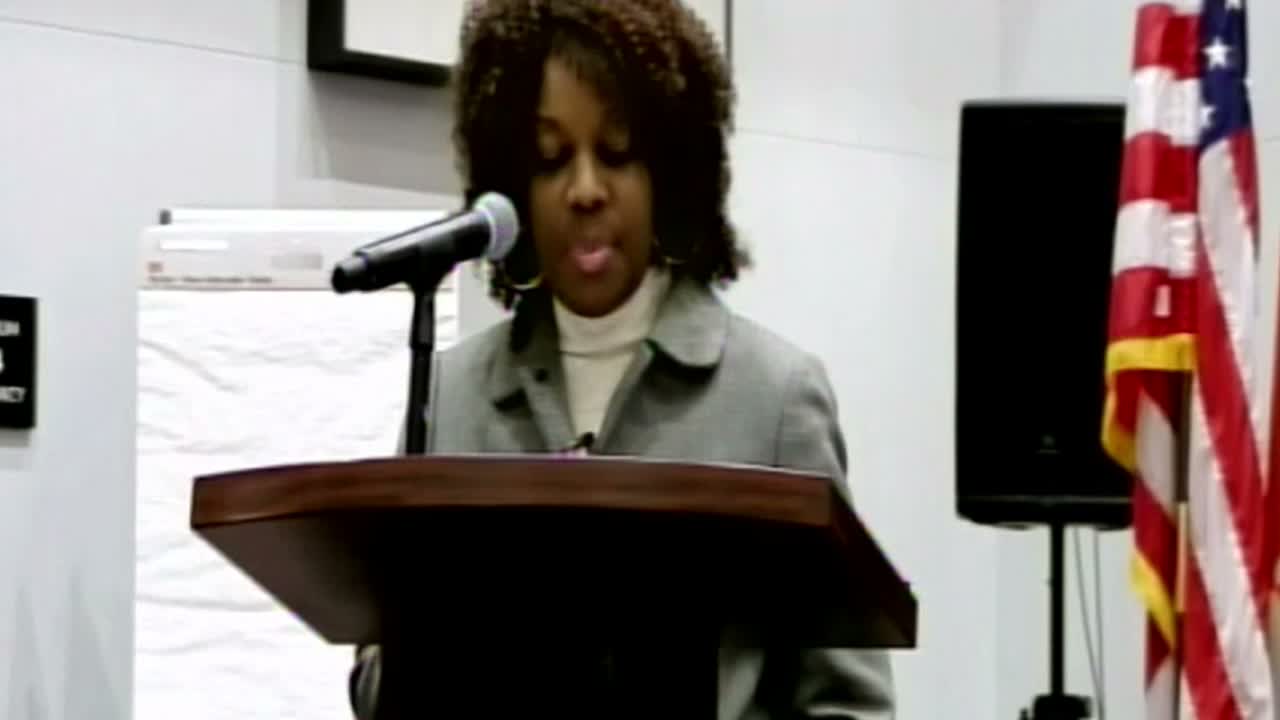
County housing and social-services officials used the retreat's afternoon session to walk the council through housing across the continuum: prevention, emergency shelter, rapid rehousing and long-term preservation.
Erica Turner, deputy DCAO for health, human services and education, said the county operates a 24/7 shelter hotline and runs six shelters totaling roughly 400 beds. She stressed prevention programs (rental and utility assistance available via the state's one-application portal, benefits.maryland.gov) and case-managed pathways that aim to move people from shelter into permanent housing.
Jonathan R. Butler, director of the Department of Housing and Community Development, described preservation tools that the county is prioritizing: the recently enacted Land Bank Authority to acquire and repurpose vacant or tax-delinquent properties for affordable housing; right of first refusal and long-term deed covenants; and an Inclusionary Zoning feasibility study scheduled for release soon. Butler said the county is implementing two homeownership assistance programs: a critical workforce assistance loan (0% interest deferred loans up to about $50,000) aimed at educators, nurses and first responders, and a homeownership equity program targeted inside the I-95 beltway with forgivable down-payment and closing-cost assistance.
Butler framed affordability with a standard widely used in housing policy: "Housing is affordable if less than 30% of your income is spent on rent or housing costs." He and panelists recommended tools for deeper affordability'including layered subsidies, community land trusts with perpetual affordability covenants, and no-net-loss protections that would require one-for-one replacement of deeply affordable units lost to redevelopment or covenant expirations.
Council discussion covered technical fixes and near-term policy options: waiving or reducing impact fees for nonprofit developers, creating flexible acquisition funds to move quickly on preservation opportunities, strengthening tenant technical-assistance capacity, and expanding homeowner services and foreclosure counseling. Members urged a sharper focus on senior housing affordability because many seniors are on fixed incomes and AMI-based rents do not reflect that reality.
Next steps: Butler said staff will release the Inclusionary Zoning feasibility study this month and recommended the council consider dedicating more predictable revenue to housing production and preservation, such as expanding trust-fund revenues or bonding authority for housing production.
Erica Turner, deputy DCAO for health, human services and education, said the county operates a 24/7 shelter hotline and runs six shelters totaling roughly 400 beds. She stressed prevention programs (rental and utility assistance available via the state's one-application portal, benefits.maryland.gov) and case-managed pathways that aim to move people from shelter into permanent housing.
Jonathan R. Butler, director of the Department of Housing and Community Development, described preservation tools that the county is prioritizing: the recently enacted Land Bank Authority to acquire and repurpose vacant or tax-delinquent properties for affordable housing; right of first refusal and long-term deed covenants; and an Inclusionary Zoning feasibility study scheduled for release soon. Butler said the county is implementing two homeownership assistance programs: a critical workforce assistance loan (0% interest deferred loans up to about $50,000) aimed at educators, nurses and first responders, and a homeownership equity program targeted inside the I-95 beltway with forgivable down-payment and closing-cost assistance.
Butler framed affordability with a standard widely used in housing policy: "Housing is affordable if less than 30% of your income is spent on rent or housing costs." He and panelists recommended tools for deeper affordability'including layered subsidies, community land trusts with perpetual affordability covenants, and no-net-loss protections that would require one-for-one replacement of deeply affordable units lost to redevelopment or covenant expirations.
Council discussion covered technical fixes and near-term policy options: waiving or reducing impact fees for nonprofit developers, creating flexible acquisition funds to move quickly on preservation opportunities, strengthening tenant technical-assistance capacity, and expanding homeowner services and foreclosure counseling. Members urged a sharper focus on senior housing affordability because many seniors are on fixed incomes and AMI-based rents do not reflect that reality.
Next steps: Butler said staff will release the Inclusionary Zoning feasibility study this month and recommended the council consider dedicating more predictable revenue to housing production and preservation, such as expanding trust-fund revenues or bonding authority for housing production.
View the Full Meeting & All Its Details
This article offers just a summary. Unlock complete video, transcripts, and insights as a Founder Member.
✓
Watch full, unedited meeting videos
✓
Search every word spoken in unlimited transcripts
✓
AI summaries & real-time alerts (all government levels)
✓
Permanent access to expanding government content
30-day money-back guarantee
