Advocates urge Michigan Supreme Court to bar civil immigration arrests in courthouses
January 14, 2026 | Supreme Court Judicial Rulings ( Opinions ), Judicial, Michigan
This article was created by AI summarizing key points discussed. AI makes mistakes, so for full details and context, please refer to the video of the full meeting. Please report any errors so we can fix them. Report an error »
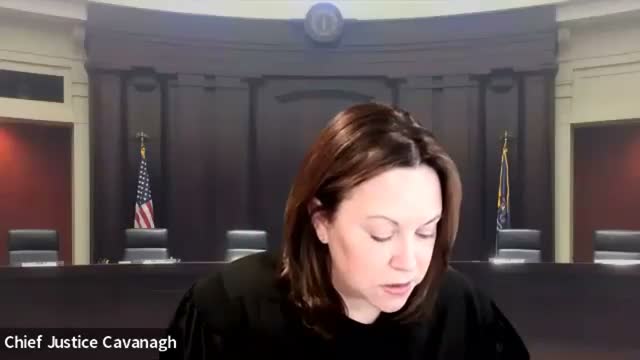
LANSING — Dozens of advocates, legal services attorneys and a prosecutor told the Michigan Supreme Court at a January administrative hearing that a proposed amendment to Court Rule 8.115 should be adopted to limit civil immigration enforcement activity inside courthouses.
"When staff and court visitors may be stopped or questioned based on race, accent, or perceived immigration status ... it's traumatic, intimidating, and destabilizing," said Eleanor Jordan, an attorney with the Michigan Poverty Law Program, arguing the rule would protect access to justice for low-income and immigrant Michiganders.
Supporters said limiting warrantless civil immigration arrests in courthouses would improve courtroom attendance and testimony in high-stakes civil matters — including benefits and housing cases — and in victim-centered proceedings. "Victims who experience domestic violence are already taught by their perpetrators that there will be consequences if they disclose abuse or seek help," said Emily Miller, program director for the Crime Victims Legal Assistance Project. She said fear of arrest can deter victims from seeking protective orders and other remedies.
Legal and constitutional arguments were also raised. "The INA is silent as to whether those arrests are prohibited in courthouses," said Sayeda Davidson, senior staff attorney at the ACLU of Michigan, adding that absent a clear congressional intent, federal law should not be read to preempt state rules protecting courthouse access. Lisa Varnier, an Oakland County attorney, urged the court to define "civil arrest" in the rule so it expressly includes civil immigration warrants; she cautioned that Michigan statutory language (citing MCL 600.6075) otherwise might be read to cover only contempt, fines, or judgment-debtor arrests.
Several speakers described real-world effects. Emily Cord Dusin recounted incidents in the Pontiac area she said illustrate why undocumented or mixed-status families avoid courthouse visits and everyday county services. Diana Merritt, vice president of the Hispanic Bar Association of Michigan, said the proposed subsection would help ensure individuals can access courts for matters ranging from filing custody petitions to getting married without fear of non-emergency enforcement actions.
A prosecutor also urged the rule's adoption on public-safety grounds. "We have seen a troubling increase in victims who are noncitizens failing to show up to court to testify against their abusers," said Ellie Sabbath of the Washington County Prosecutor's Office, arguing that nonappearance undermines prosecutions and discourages crime reporting.
Justices asked clarifying questions about the scope of the proposed rule, including whether it should apply only to mandatory court appearances or more broadly to discretionary appearances and to supporters or witnesses who accompany litigants. Jordan and Sabbath both said a broader rule was preferable so that victims, witnesses and supporters may attend without fear; Sabbath said prosecutors do not compel victims to appear and opposed narrowing the rule to required appearances only.
The hearing ended without a recorded vote or formal action on the amendment. The court adjourned after the public comment period.
"When staff and court visitors may be stopped or questioned based on race, accent, or perceived immigration status ... it's traumatic, intimidating, and destabilizing," said Eleanor Jordan, an attorney with the Michigan Poverty Law Program, arguing the rule would protect access to justice for low-income and immigrant Michiganders.
Supporters said limiting warrantless civil immigration arrests in courthouses would improve courtroom attendance and testimony in high-stakes civil matters — including benefits and housing cases — and in victim-centered proceedings. "Victims who experience domestic violence are already taught by their perpetrators that there will be consequences if they disclose abuse or seek help," said Emily Miller, program director for the Crime Victims Legal Assistance Project. She said fear of arrest can deter victims from seeking protective orders and other remedies.
Legal and constitutional arguments were also raised. "The INA is silent as to whether those arrests are prohibited in courthouses," said Sayeda Davidson, senior staff attorney at the ACLU of Michigan, adding that absent a clear congressional intent, federal law should not be read to preempt state rules protecting courthouse access. Lisa Varnier, an Oakland County attorney, urged the court to define "civil arrest" in the rule so it expressly includes civil immigration warrants; she cautioned that Michigan statutory language (citing MCL 600.6075) otherwise might be read to cover only contempt, fines, or judgment-debtor arrests.
Several speakers described real-world effects. Emily Cord Dusin recounted incidents in the Pontiac area she said illustrate why undocumented or mixed-status families avoid courthouse visits and everyday county services. Diana Merritt, vice president of the Hispanic Bar Association of Michigan, said the proposed subsection would help ensure individuals can access courts for matters ranging from filing custody petitions to getting married without fear of non-emergency enforcement actions.
A prosecutor also urged the rule's adoption on public-safety grounds. "We have seen a troubling increase in victims who are noncitizens failing to show up to court to testify against their abusers," said Ellie Sabbath of the Washington County Prosecutor's Office, arguing that nonappearance undermines prosecutions and discourages crime reporting.
Justices asked clarifying questions about the scope of the proposed rule, including whether it should apply only to mandatory court appearances or more broadly to discretionary appearances and to supporters or witnesses who accompany litigants. Jordan and Sabbath both said a broader rule was preferable so that victims, witnesses and supporters may attend without fear; Sabbath said prosecutors do not compel victims to appear and opposed narrowing the rule to required appearances only.
The hearing ended without a recorded vote or formal action on the amendment. The court adjourned after the public comment period.
View the Full Meeting & All Its Details
This article offers just a summary. Unlock complete video, transcripts, and insights as a Founder Member.
✓
Watch full, unedited meeting videos
✓
Search every word spoken in unlimited transcripts
✓
AI summaries & real-time alerts (all government levels)
✓
Permanent access to expanding government content
30-day money-back guarantee
