ERB weighs environmental tradeoffs for Science of the Soul’s proposed event parking
January 15, 2026 | Goshen, Orange County, New York
This article was created by AI summarizing key points discussed. AI makes mistakes, so for full details and context, please refer to the video of the full meeting. Please report any errors so we can fix them. Report an error »
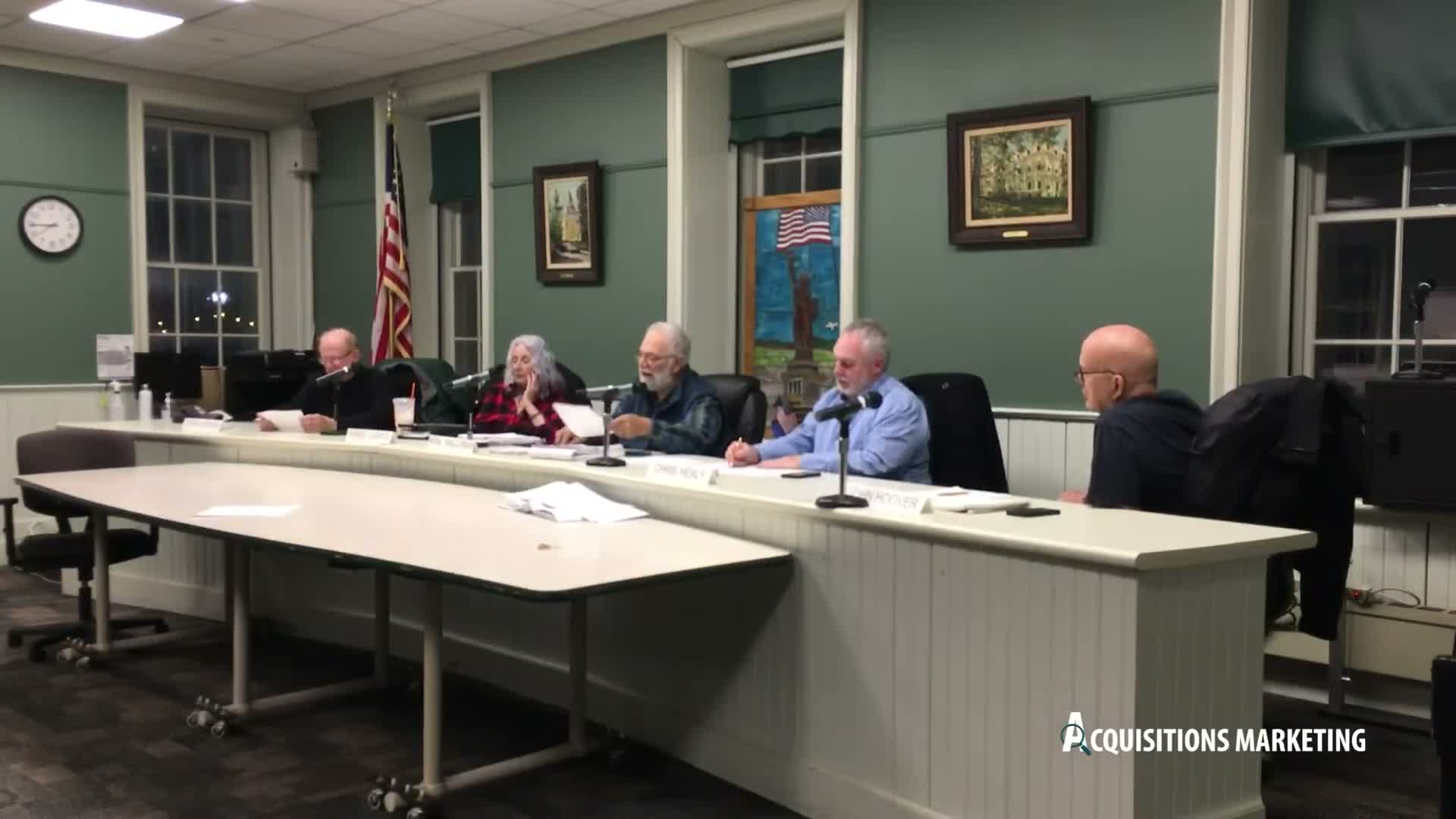
The Goshen ERB reviewed a special‑permit proposal from Science of the Soul (SOS) on Jan. 14 to turn an approximately 11‑acre wet field into an event parking lot intended to serve large, infrequent gatherings. Speaker 3 described the parcel as typically wet and said engineers estimate the work could require thousands of truckloads of fill to raise the site out of seasonal saturation.
Members debated surfacing choices and environmental tradeoffs. Speaker 3 and others suggested a grass‑topped solution with a firm underlayment to preserve infiltration and reduce thermal impacts, while acknowledging mowing/fire‑risk management and the potential need for a green‑engineered underlayer. Several ERB members recommended certified clean fill, a soil‑testing protocol (sample frequency to be specified), and a traffic plan limiting truck movements to off‑peak hours and banning engine‑braking and tailgate slamming.
The board asked the applicant to supply a wetland delineation and a floodplain‑development analysis because the site drains to nearby waterways and ultimately to municipal intake points. Speaker 1 highlighted the potential for increased water temperature and runoff from asphalt surfacing, recommending enhanced drainage and compensatory storage where needed.
Operational controls were also emphasized: the ERB signaled support for approvals that limit the lot to one or two large events per year (the applicant described a jamboree of up to about 12,000 people), prohibit permanent commercial uses (car storage or continuous weekend use), require pre‑event mowing and limit construction hours. The board stressed conditions should include routes for trucks and a protocol to sweep and clear mud from public roads during construction.
Next steps: the ERB requested a wetland delineation, a clean‑fill testing plan, a stormwater/floodplain analysis, a truck‑routing and construction‑hours plan, and specific operational limits on post‑construction use before the town board considers a special permit.
Members debated surfacing choices and environmental tradeoffs. Speaker 3 and others suggested a grass‑topped solution with a firm underlayment to preserve infiltration and reduce thermal impacts, while acknowledging mowing/fire‑risk management and the potential need for a green‑engineered underlayer. Several ERB members recommended certified clean fill, a soil‑testing protocol (sample frequency to be specified), and a traffic plan limiting truck movements to off‑peak hours and banning engine‑braking and tailgate slamming.
The board asked the applicant to supply a wetland delineation and a floodplain‑development analysis because the site drains to nearby waterways and ultimately to municipal intake points. Speaker 1 highlighted the potential for increased water temperature and runoff from asphalt surfacing, recommending enhanced drainage and compensatory storage where needed.
Operational controls were also emphasized: the ERB signaled support for approvals that limit the lot to one or two large events per year (the applicant described a jamboree of up to about 12,000 people), prohibit permanent commercial uses (car storage or continuous weekend use), require pre‑event mowing and limit construction hours. The board stressed conditions should include routes for trucks and a protocol to sweep and clear mud from public roads during construction.
Next steps: the ERB requested a wetland delineation, a clean‑fill testing plan, a stormwater/floodplain analysis, a truck‑routing and construction‑hours plan, and specific operational limits on post‑construction use before the town board considers a special permit.
View the Full Meeting & All Its Details
This article offers just a summary. Unlock complete video, transcripts, and insights as a Founder Member.
✓
Watch full, unedited meeting videos
✓
Search every word spoken in unlimited transcripts
✓
AI summaries & real-time alerts (all government levels)
✓
Permanent access to expanding government content
30-day money-back guarantee
