Lincoln council splits parking overhaul, approves fee increases
January 13, 2026 | Lincoln, Lancaster County, Nebraska
This article was created by AI summarizing key points discussed. AI makes mistakes, so for full details and context, please refer to the video of the full meeting. Please report any errors so we can fix them. Report an error »
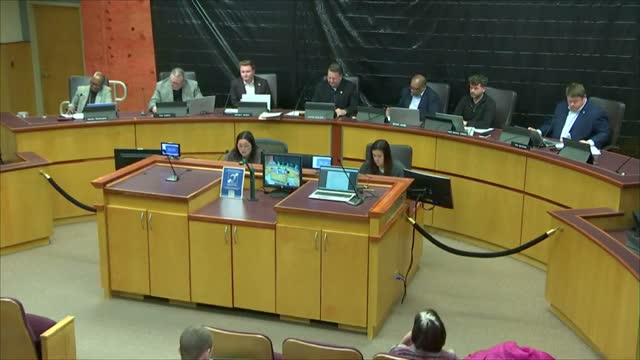
The Lincoln City Council on Jan. 12 split a broad set of parking-code amendments into two votes and approved both — first the fee increases, then the remainder of the policy package.
Councilmember Brody Weber asked the council to divide the ordinance so members could vote their consciences on the proposed increases. "I feel that it is premature to have a conversation around increasing the fees associated with the violations until the infrastructure investment project has come to a completion," Weber said during debate, citing downtown construction concerns.
Urban Development Director Dan Marvin and staff described non-fee parts of the package as expansions of enforcement areas (including North Bottoms, Innovation Campus and parts of the Telegraph District), creation of short- and long-term loading zones, standards for extended vehicles and clarifications to the definition of parking meters. Marvin said the city manages about "2,400 meters," and staff also proposed changes to administrative costs and a meter-bag fee.
Legal counsel advised the council that some sections touch fines and administrative costs; Abby Littel of the law department noted distinctions between citation enforcement and meter fees. One technical change in the package reduced a fine for parking in a handicap zone in a particular subsection from $92 to $87 while raising other administrative fees.
On the procedural split, the council voted 6–1 to adopt the fee changes as a standalone question; Weber was the sole no vote. The council then voted 7–0 to approve the remainder of the ordinance package.
City staff said the digital parking system allows zone-specific rate adjustments, and that meter changes could be staged to avoid adding disruption in active construction areas. Council members said they supported modernization and clearer loading-zone rules but sought safeguards for neighborhoods affected by large infrastructure projects.
The ordinance will update Lincoln Municipal Code sections governing parking enforcement boundaries, fee schedules and payment platforms and establish rules for long-term loading zones, taxi/transportation network company loading zones and extended vehicle parking.
Councilmember Brody Weber asked the council to divide the ordinance so members could vote their consciences on the proposed increases. "I feel that it is premature to have a conversation around increasing the fees associated with the violations until the infrastructure investment project has come to a completion," Weber said during debate, citing downtown construction concerns.
Urban Development Director Dan Marvin and staff described non-fee parts of the package as expansions of enforcement areas (including North Bottoms, Innovation Campus and parts of the Telegraph District), creation of short- and long-term loading zones, standards for extended vehicles and clarifications to the definition of parking meters. Marvin said the city manages about "2,400 meters," and staff also proposed changes to administrative costs and a meter-bag fee.
Legal counsel advised the council that some sections touch fines and administrative costs; Abby Littel of the law department noted distinctions between citation enforcement and meter fees. One technical change in the package reduced a fine for parking in a handicap zone in a particular subsection from $92 to $87 while raising other administrative fees.
On the procedural split, the council voted 6–1 to adopt the fee changes as a standalone question; Weber was the sole no vote. The council then voted 7–0 to approve the remainder of the ordinance package.
City staff said the digital parking system allows zone-specific rate adjustments, and that meter changes could be staged to avoid adding disruption in active construction areas. Council members said they supported modernization and clearer loading-zone rules but sought safeguards for neighborhoods affected by large infrastructure projects.
The ordinance will update Lincoln Municipal Code sections governing parking enforcement boundaries, fee schedules and payment platforms and establish rules for long-term loading zones, taxi/transportation network company loading zones and extended vehicle parking.
Don't Miss a Word: See the Full Meeting!
Go beyond summaries. Unlock every video, transcript, and key insight with a Founder Membership.
✓
Get instant access to full meeting videos
✓
Search and clip any phrase from complete transcripts
✓
Receive AI-powered summaries & custom alerts
✓
Enjoy lifetime, unrestricted access to government data
30-day money-back guarantee
