Presenter describes UV disinfection, warns ‘everybody lives downstream’
January 13, 2026 | Rock Springs City Council, Rock Springs, Sweetwater County, Wyoming
This article was created by AI summarizing key points discussed. AI makes mistakes, so for full details and context, please refer to the video of the full meeting. Please report any errors so we can fix them. Report an error »
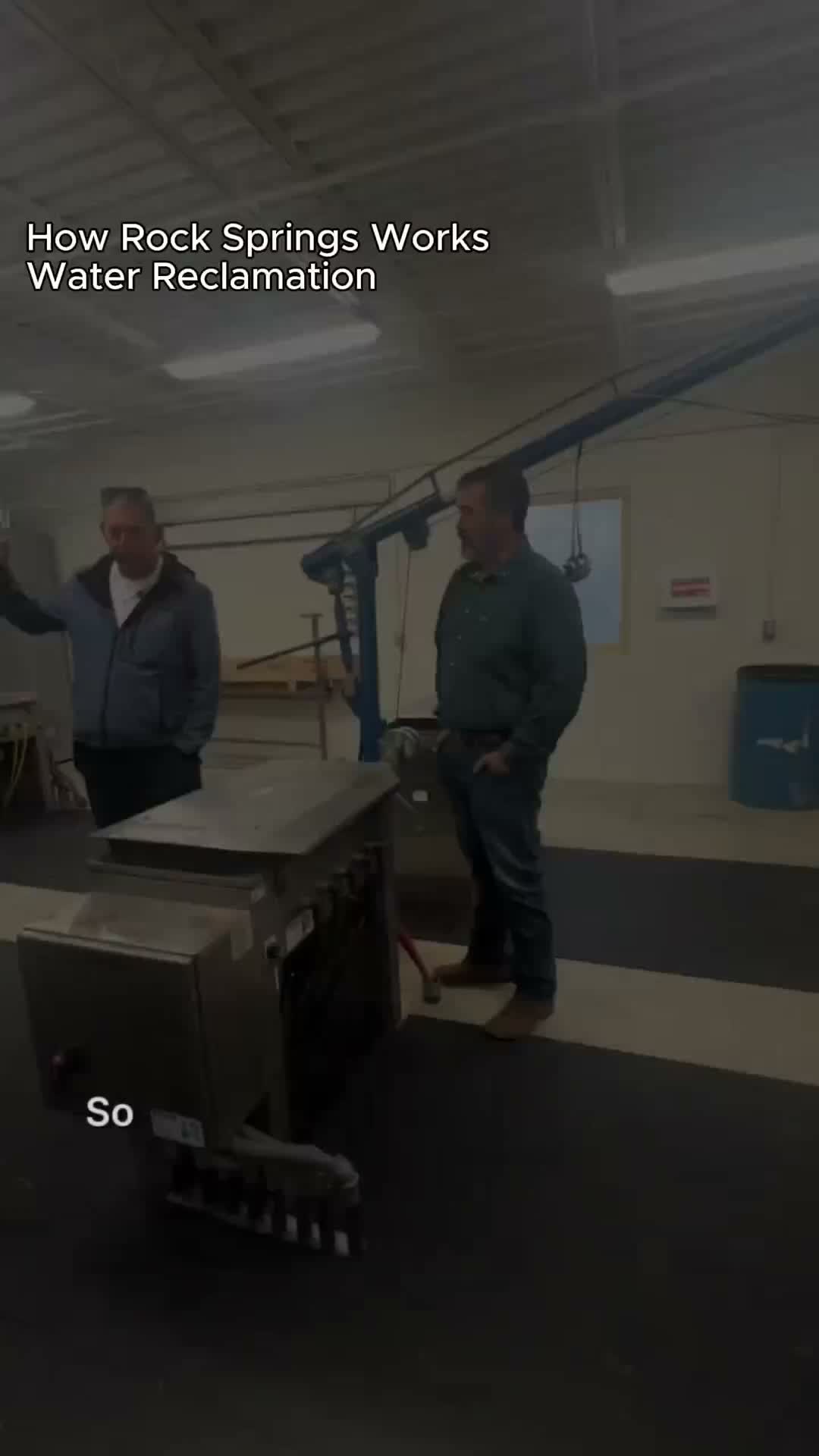
"What's this fancy looking stuff?" an attendee asked at the start of the exchange. Speaker 1, identified only by the speaker label in the transcript, explained that after final clarification the water flows to a ultraviolet (UV) treatment stage where pathogens are disinfected.
"The pathogens a nice tan through UV treatment," the presenter said, using a tanning‑bed analogy: "Really the same technology as a tanning bed, just higher power." The speaker added, "We don't kill all the pathogens, we just disinfect them. We modify their DNA, and so they can't reproduce." The presenter framed the step as part of a public‑health chain: treated effluent is discharged to Bitter Creek, then to the Green River, Lake Powell, Lake Mead and, ultimately, the Gulf of Mexico, and therefore "everybody lives downstream."
The transcript records the technical claim by Speaker 1 but does not include scientific citation or an on‑record clarification from a named expert. UV disinfection is commonly described as an inactivation process that damages microbial nucleic acids, preventing replication; the presenter described that mechanism as "modifying DNA." The speaker also cautioned that the UV lamps are high powered and not safe for human exposure: "But you can't come here and get a tan yourself... they're pretty high powered, so, we don't take them out of the water unless we have to."
The brief exchange contains no recorded motions, votes or formal decisions. Listeners responded with brief affirmations ("Very good") following the explanation. The transcript does not identify the meeting body, presenter name, or a staff title for the speaker; those details are not specified in the provided text.
Next steps or follow‑up actions were not included in the excerpt.
"The pathogens a nice tan through UV treatment," the presenter said, using a tanning‑bed analogy: "Really the same technology as a tanning bed, just higher power." The speaker added, "We don't kill all the pathogens, we just disinfect them. We modify their DNA, and so they can't reproduce." The presenter framed the step as part of a public‑health chain: treated effluent is discharged to Bitter Creek, then to the Green River, Lake Powell, Lake Mead and, ultimately, the Gulf of Mexico, and therefore "everybody lives downstream."
The transcript records the technical claim by Speaker 1 but does not include scientific citation or an on‑record clarification from a named expert. UV disinfection is commonly described as an inactivation process that damages microbial nucleic acids, preventing replication; the presenter described that mechanism as "modifying DNA." The speaker also cautioned that the UV lamps are high powered and not safe for human exposure: "But you can't come here and get a tan yourself... they're pretty high powered, so, we don't take them out of the water unless we have to."
The brief exchange contains no recorded motions, votes or formal decisions. Listeners responded with brief affirmations ("Very good") following the explanation. The transcript does not identify the meeting body, presenter name, or a staff title for the speaker; those details are not specified in the provided text.
Next steps or follow‑up actions were not included in the excerpt.
Don't Miss a Word: See the Full Meeting!
Go beyond summaries. Unlock every video, transcript, and key insight with a Founder Membership.
✓
Get instant access to full meeting videos
✓
Search and clip any phrase from complete transcripts
✓
Receive AI-powered summaries & custom alerts
✓
Enjoy lifetime, unrestricted access to government data
30-day money-back guarantee
