Loxahatchee Groves planners begin workshop on creating an 'equestrian estate' zoning option
January 14, 2026 | Town of Loxahatchee Groves, Palm Beach County, Florida
This article was created by AI summarizing key points discussed. AI makes mistakes, so for full details and context, please refer to the video of the full meeting. Please report any errors so we can fix them. Report an error »
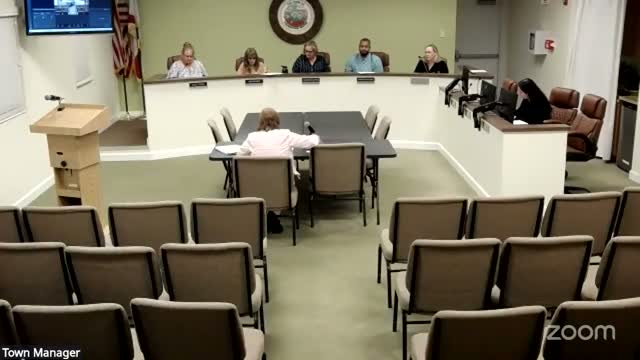
The Town of Loxahatchee Groves Planning & Zoning committee opened a multi-session workshop about whether to create a formal "equestrian estate" zoning option to better accommodate large horse properties and ranch-style operations. Staff presented a memo (page 165 of the packet) and described the item as a conversation starter rather than a decision: "I just wanna start off. Basically, it's to get the communication started," a staff member said.
Why it matters: Current town rules treat many large holdings as multiple five‑acre parcels, which limits accessory dwellings, creates repeated setback lines and can force property owners to design yards and service areas inefficiently. Several members said the result is property owners trying informal workarounds or discovering nonconformities only after sales or subdivisions.
What was discussed: Staff reviewed the town code (referenced in discussion as Article 20.005 for residential districts) and explained that accessory dwellings and groom's quarters are currently limited by parcel size and square‑foot caps, while variances are difficult to obtain and require unusual circumstances. Members debated two main approaches: 1) an overlay district that applies to defined areas, and 2) a separate zoning designation (an "EE" zoning) that would apply at the parcel level and could include a clear minimum acreage and rules to prevent unplanned subdivision. As staff put it, whether an overlay "takes precedence" depends on how the language is written.
Definitional issues and thresholds were central. Members proposed different minimum acreages for an equestrian estate, with suggestions ranging from about 10 acres up to 40 acres. One member cautioned that the committee must "define an estate" before drafting regulations so everyone is discussing the same thing.
Practical constraints: The committee highlighted setbacks and floodplain/development (FDA) plans as key impediments to functional equestrian operations when adjacent five‑acre parcels are treated separately. One member described how separate FDA plans and 50‑foot setbacks on each small parcel can require berms or separate infrastructure that make a combined property impractical. Members also discussed how farm service needs — deliveries, manure removal, arenas and barn placement — influence minimum parcel sizes.
Commercial vs. personal operations: The board discussed whether the new designation should cover only private owners with personal horses, commercial training/show facilities, or both. Members raised staffing and housing concerns for larger operations: "In a typical show barn, you have 1 groom per 4 horses," a committee member said, noting current limits on accessory dwellings and caretaker housing could block legitimate business operations.
Next steps: Staff was asked to prepare comparison charts that show current residential setbacks, bona fide agricultural rules and how an EE district could differ; members requested outreach to neighboring jurisdictions and practitioners to inform drafting. Staff agreed to circulate materials and to invite stakeholders to future meetings.
The committee did not take final action on the zoning change; it directed staff to return with comparative analyses, proposed definitions, and a plan for stakeholder input at the next meeting.
Why it matters: Current town rules treat many large holdings as multiple five‑acre parcels, which limits accessory dwellings, creates repeated setback lines and can force property owners to design yards and service areas inefficiently. Several members said the result is property owners trying informal workarounds or discovering nonconformities only after sales or subdivisions.
What was discussed: Staff reviewed the town code (referenced in discussion as Article 20.005 for residential districts) and explained that accessory dwellings and groom's quarters are currently limited by parcel size and square‑foot caps, while variances are difficult to obtain and require unusual circumstances. Members debated two main approaches: 1) an overlay district that applies to defined areas, and 2) a separate zoning designation (an "EE" zoning) that would apply at the parcel level and could include a clear minimum acreage and rules to prevent unplanned subdivision. As staff put it, whether an overlay "takes precedence" depends on how the language is written.
Definitional issues and thresholds were central. Members proposed different minimum acreages for an equestrian estate, with suggestions ranging from about 10 acres up to 40 acres. One member cautioned that the committee must "define an estate" before drafting regulations so everyone is discussing the same thing.
Practical constraints: The committee highlighted setbacks and floodplain/development (FDA) plans as key impediments to functional equestrian operations when adjacent five‑acre parcels are treated separately. One member described how separate FDA plans and 50‑foot setbacks on each small parcel can require berms or separate infrastructure that make a combined property impractical. Members also discussed how farm service needs — deliveries, manure removal, arenas and barn placement — influence minimum parcel sizes.
Commercial vs. personal operations: The board discussed whether the new designation should cover only private owners with personal horses, commercial training/show facilities, or both. Members raised staffing and housing concerns for larger operations: "In a typical show barn, you have 1 groom per 4 horses," a committee member said, noting current limits on accessory dwellings and caretaker housing could block legitimate business operations.
Next steps: Staff was asked to prepare comparison charts that show current residential setbacks, bona fide agricultural rules and how an EE district could differ; members requested outreach to neighboring jurisdictions and practitioners to inform drafting. Staff agreed to circulate materials and to invite stakeholders to future meetings.
The committee did not take final action on the zoning change; it directed staff to return with comparative analyses, proposed definitions, and a plan for stakeholder input at the next meeting.
Don't Miss a Word: See the Full Meeting!
Go beyond summaries. Unlock every video, transcript, and key insight with a Founder Membership.
✓
Get instant access to full meeting videos
✓
Search and clip any phrase from complete transcripts
✓
Receive AI-powered summaries & custom alerts
✓
Enjoy lifetime, unrestricted access to government data
30-day money-back guarantee
