Polk County Housing Trust shows region’s federally backed affordable housing and flags 13 properties at risk of losing affordability
January 13, 2026 | Des Moines, Polk County, Iowa
This article was created by AI summarizing key points discussed. AI makes mistakes, so for full details and context, please refer to the video of the full meeting. Please report any errors so we can fix them. Report an error »
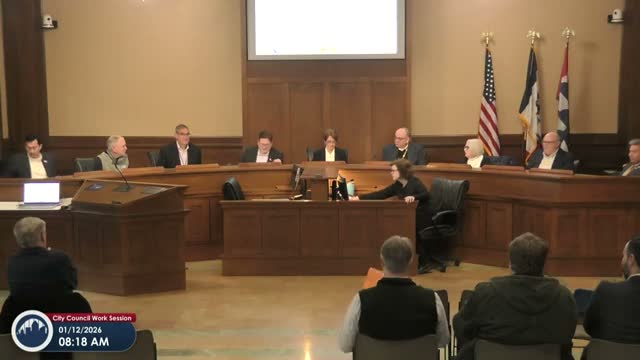
Polk County Housing Trust staff told the Des Moines City Council they have merged HUD, Iowa Finance Authority and other datasets into an interactive preservation database to track federally backed, income-restricted housing across Polk, Dallas and Warren counties.
Matt Haugen, outreach and communications director for the trust, and Johnny Alsavar, director of planning, said the effort is designed to show where affordability restrictions exist, when they expire and where preservation or layered subsidy might be needed. "We wanted to be a tool for people to be aware of our existing housing stock with these federally backed supports and to prevent the loss of these units," Alsavar said.
The presenters said the regional inventory includes about 176 properties and roughly 10,811 units across the three counties; for Des Moines specifically they reported approximately 100 properties and 6,699 units. Alsavar told the council the trust identified 13 properties at risk of losing affordability in the next five years, seven of which are in Des Moines; the presentation listed the associated unit counts and recommended targeted outreach to owners and potential preservation funding strategies.
Haugen and Alsavar described preservation tools — from capital-improvement grants to layered subsidy packages and owner negotiations — and emphasized that many subsidized units are privately owned and will require financial layering (including TIF and local incentives) to maintain long-term affordability. The trust urged the city to use the database to track expirations, negotiate with owners earlier, and coordinate subsidy layers when preservation opportunities arise.
Council members asked for more granular breakdowns (by ward, owner motivation, and program mix) and for an annual published summary of units coming on and off program restrictions. Trust staff said they will continue to add local and state program data to the tool, produce ward-level reports on request and follow up with owners of at-risk properties.
The trust made the interactive map available at pchtf.org/preservation and offered to provide requested data and owner outreach soon.
Matt Haugen, outreach and communications director for the trust, and Johnny Alsavar, director of planning, said the effort is designed to show where affordability restrictions exist, when they expire and where preservation or layered subsidy might be needed. "We wanted to be a tool for people to be aware of our existing housing stock with these federally backed supports and to prevent the loss of these units," Alsavar said.
The presenters said the regional inventory includes about 176 properties and roughly 10,811 units across the three counties; for Des Moines specifically they reported approximately 100 properties and 6,699 units. Alsavar told the council the trust identified 13 properties at risk of losing affordability in the next five years, seven of which are in Des Moines; the presentation listed the associated unit counts and recommended targeted outreach to owners and potential preservation funding strategies.
Haugen and Alsavar described preservation tools — from capital-improvement grants to layered subsidy packages and owner negotiations — and emphasized that many subsidized units are privately owned and will require financial layering (including TIF and local incentives) to maintain long-term affordability. The trust urged the city to use the database to track expirations, negotiate with owners earlier, and coordinate subsidy layers when preservation opportunities arise.
Council members asked for more granular breakdowns (by ward, owner motivation, and program mix) and for an annual published summary of units coming on and off program restrictions. Trust staff said they will continue to add local and state program data to the tool, produce ward-level reports on request and follow up with owners of at-risk properties.
The trust made the interactive map available at pchtf.org/preservation and offered to provide requested data and owner outreach soon.
View the Full Meeting & All Its Details
This article offers just a summary. Unlock complete video, transcripts, and insights as a Founder Member.
✓
Watch full, unedited meeting videos
✓
Search every word spoken in unlimited transcripts
✓
AI summaries & real-time alerts (all government levels)
✓
Permanent access to expanding government content
30-day money-back guarantee
