Witness warns Russia's emerging 'lock net' and super-app could enable near-total information control
January 07, 2026 | Commission on Security and Cooperation in Europe (U.S. Helsinki Commission): House Commission, Commissions and Caucuses - House and Senate, Congressional Hearings Compilation, Legislative, Federal
This article was created by AI summarizing key points discussed. AI makes mistakes, so for full details and context, please refer to the video of the full meeting. Please report any errors so we can fix them. Report an error »
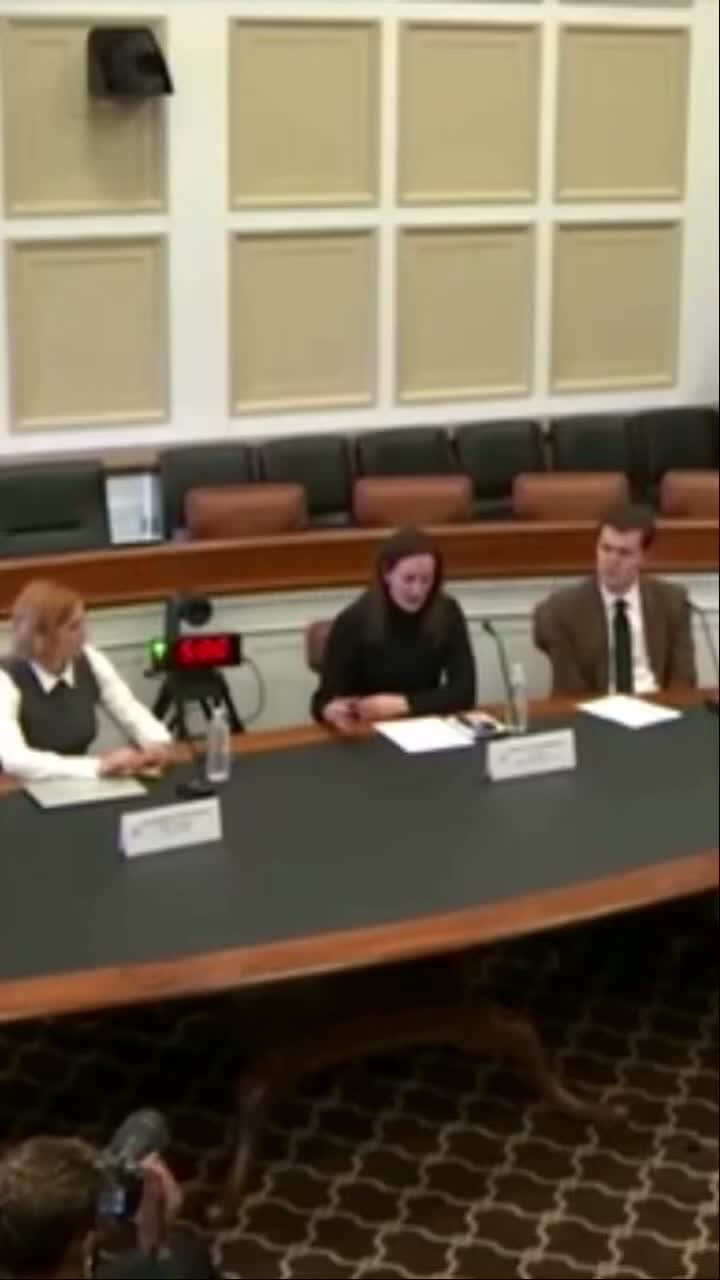
The speaker said the Kremlin has shown "both the will and the technical capacity to implement a sophisticated model of total Internet control," citing a shift from decentralized infrastructure toward a centralized censorship regime and naming the RuNet and a super-app referenced as Max as pieces of that architecture. "By capturing their citizens on a single app, the Kremlin," the speaker said, "can leverage back end control to far more effectively censor and surveil their citizens," a step the speaker said will also encourage self-censorship.
The speaker listed barriers that would limit Russians' access to the global Internet, including state censorship, what the transcript calls "meta censorship," legal consequences for dissent, and offline penalties. Taken together, the speaker said, those impediments "set the stage for near complete information control" and could, if sustained, "fundamentally reengineer how Russian citizens think about, search for, and engage with independent media over the long term."
Pointing to China as a comparative example, the speaker argued that prolonged implementation of a lock-net model risks shifting public expectations and behaviors so citizens come to choose convenience over access to a pluralistic internet. "I think the Kremlin really hopes to force their people to choose between convenience and ease of a super app over freedom," the speaker said.
The speaker concluded by urging attention to the long-term strategy behind these tactics, saying "it's really important that we not confuse tactics with a longer term strategy." The transcript contains no formal motions, votes, or policy actions associated with these remarks.
The comments in the transcript do not identify the speaker by name or organizational affiliation.
Don't Miss a Word: See the Full Meeting!
Go beyond summaries. Unlock every video, transcript, and key insight with a Founder Membership.
30-day money-back guarantee
