Appeals panel hears challenge to DCF's reunification efforts in parental-rights appeal
January 05, 2026 | Judicial - Appeals Court Oral Arguments, Judicial, Massachusetts
This article was created by AI summarizing key points discussed. AI makes mistakes, so for full details and context, please refer to the video of the full meeting. Please report any errors so we can fix them. Report an error »
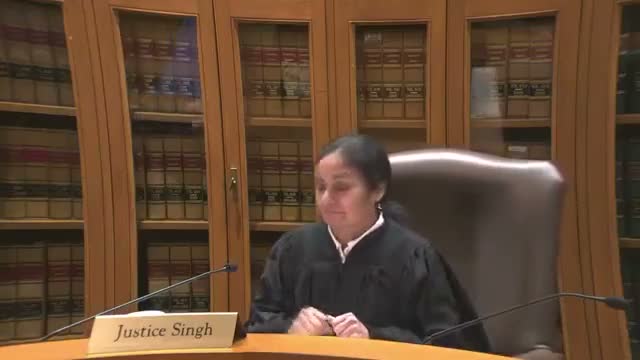
The final matter on the Jan. 5 sitting, Department of Children and Families v. Mother (impounded), examined whether the trial court erred in finding that DCF made reasonable, active and individualized efforts to reunify a mother with her medically complex children before terminating parental rights.
Tamika O'Brien, representing the mother, said the appeal did not contest the finding of unfitness but challenged the trial court's conclusion that the department had made reasonable efforts. O'Brien cited repeated failure by DCF to tailor the service plan over approximately two years, pointed to missed offers of specialized training (a course offered by a hospital) and a lack of facilitation of ABA services for the older child, and argued the department did not make sufficient accommodations (transportation or housing) to enable the mother's participation.
Justices asked for concrete examples and who bore responsibility for facilitating training and services; O'Brien said DCF had custody and thus an obligation to make offers and assist with logistics. She noted the record showed the same service plan remained in place for two years and that social-worker testimony suggested tasks listed in the plan (substance-evaluation referral, parenting evaluation) were not completed.
Robert Fairbairn, counsel for DCF, said the trial court properly found indefinite unfitness and that the department supplied reasonable efforts given the mother's documented hospitalizations, history of undertreated mental-health disorders, sporadic engagement and refusal to follow through on recommended aftercare. He said DCF provided bus passes and other facilitation, but the mother often did not engage and that the department's efforts were limited by mother's inconsistent participation.
Counsel representing each child urged affirmation of the lower court: Sandra Ferrigno for the older child cited documented developmental progress in foster care and ongoing needs (autism, nonverbal status, pica), and Jeremy Thierman for the younger child argued mother had not undertaken the minimum steps to be able to care for a medically complex toddler, had alienated providers and remained out of contact for long stretches.
The panel submitted the matter at the conclusion of argument. The record for this case is impounded; parties and counsel were reminded of confidentiality restrictions during argument.
Tamika O'Brien, representing the mother, said the appeal did not contest the finding of unfitness but challenged the trial court's conclusion that the department had made reasonable efforts. O'Brien cited repeated failure by DCF to tailor the service plan over approximately two years, pointed to missed offers of specialized training (a course offered by a hospital) and a lack of facilitation of ABA services for the older child, and argued the department did not make sufficient accommodations (transportation or housing) to enable the mother's participation.
Justices asked for concrete examples and who bore responsibility for facilitating training and services; O'Brien said DCF had custody and thus an obligation to make offers and assist with logistics. She noted the record showed the same service plan remained in place for two years and that social-worker testimony suggested tasks listed in the plan (substance-evaluation referral, parenting evaluation) were not completed.
Robert Fairbairn, counsel for DCF, said the trial court properly found indefinite unfitness and that the department supplied reasonable efforts given the mother's documented hospitalizations, history of undertreated mental-health disorders, sporadic engagement and refusal to follow through on recommended aftercare. He said DCF provided bus passes and other facilitation, but the mother often did not engage and that the department's efforts were limited by mother's inconsistent participation.
Counsel representing each child urged affirmation of the lower court: Sandra Ferrigno for the older child cited documented developmental progress in foster care and ongoing needs (autism, nonverbal status, pica), and Jeremy Thierman for the younger child argued mother had not undertaken the minimum steps to be able to care for a medically complex toddler, had alienated providers and remained out of contact for long stretches.
The panel submitted the matter at the conclusion of argument. The record for this case is impounded; parties and counsel were reminded of confidentiality restrictions during argument.
View the Full Meeting & All Its Details
This article offers just a summary. Unlock complete video, transcripts, and insights as a Founder Member.
✓
Watch full, unedited meeting videos
✓
Search every word spoken in unlimited transcripts
✓
AI summaries & real-time alerts (all government levels)
✓
Permanent access to expanding government content
30-day money-back guarantee
