House Democrats at Ag Committee urge reversal of SNAP cuts, highlight hunger and rural health risks
December 11, 2025 | Agriculture: House Committee, Standing Committees - House & Senate, Congressional Hearings Compilation, Legislative, Federal
This article was created by AI summarizing key points discussed. AI makes mistakes, so for full details and context, please refer to the video of the full meeting. Please report any errors so we can fix them. Report an error »
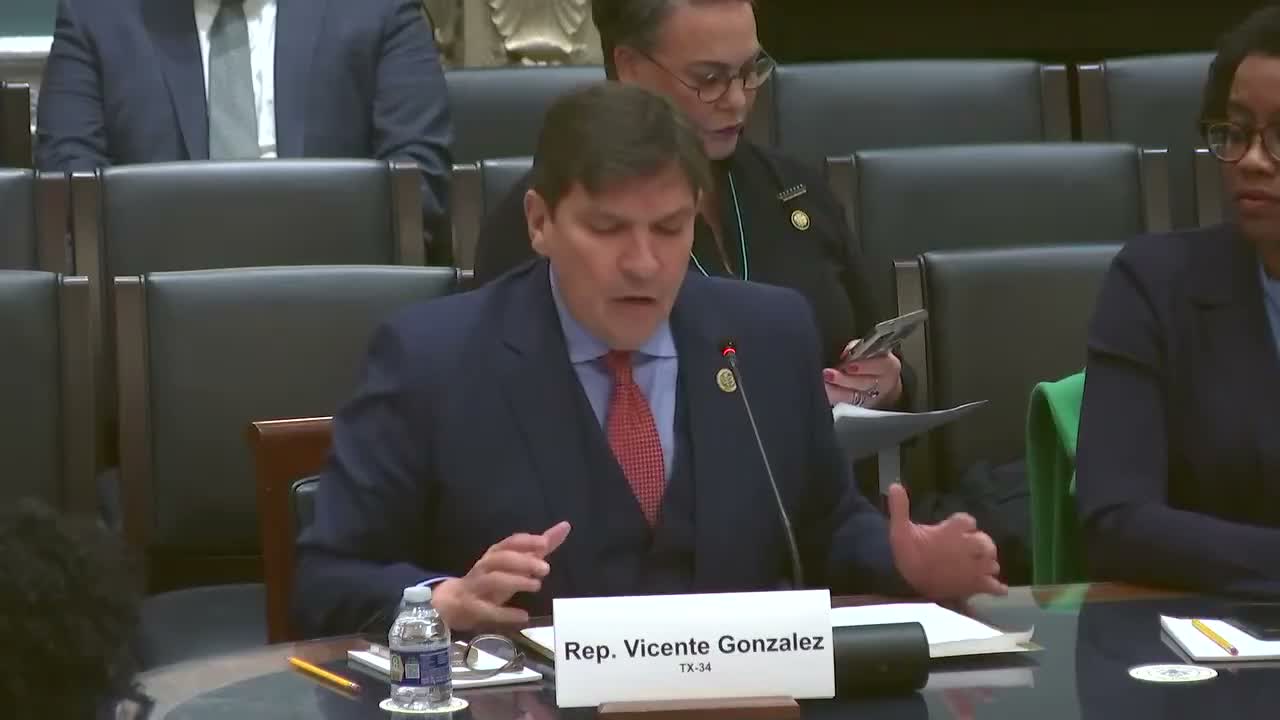
Members of the House Committee on Agriculture used a member day hearing to press for immediate action to reverse cuts to the Supplemental Nutrition Assistance Program (SNAP) and to shore up related nutrition and rural health programs.
Democratic members and some Republicans said recent legislation that reduced SNAP funding and introduced state cost-sharing provisions is already harming families, seniors and veterans. Representative Jahana Hayes, ranking member of the committee’s nutrition subcommittee, urged passage of the Restoring Food Security for American Families and Farmers Act to "repeal the devastating cuts to the supplemental nutrition assistance program" that she said were included in HR 1. "SNAP is the most effective anti hunger program in our country, serving nearly 42,000,000 Americans," Hayes said.
Why it matters: Witnesses said SNAP cuts ripple across communities — increasing demand at food banks, worsening child nutrition and threatening the financial viability of grocers and local farmers who depend on SNAP purchases. Representative Rashida Tlaib (who testified as Representative Talib in the transcript) described a 74-year-old constituent who receives "$24" a month in SNAP and said even short interruptions caused by the government shutdown left families panicked. "I still remember years ago having a mother in my office, in tears," she said, pressing for stronger, bipartisan protection of the program.
What was said and proposed: Witnesses identified several specific problems and remedies:
- State cost-share provisions in recent legislation could let some states decline to maintain SNAP, "meaning there is no SNAP in that state," Rep. Figgers warned, referencing testimony from state officials at a prior hearing. Members called for restoring federal support to prevent a patchwork of access across states.
- Several lawmakers urged the committee to require the Secretary of Agriculture and USDA officials to testify publicly about implementation plans and timelines so governors and local administrators would not be left "scrambling for a tweet or an email," Hayes said.
- Members recommended dovetailing nutrition oversight with other committees where programs overlap; witnesses urged coordination with Education and the VA on WIC and veteran impacts.
Evidence and numbers: Speakers repeatedly cited large figures tied to policy changes: about "42,000,000 Americans" use SNAP; HR 1 was described by multiple members as including roughly "$187,000,000,000" (or near-$200 billion) in nutrition cuts; and one member said the average SNAP benefit was approximately "$2 per person per meal" (commenting on benefit adequacy).
Community effects and next steps: Members warned of immediate harms when benefits are delayed, including overcrowded food banks and people skipping meals. Several Democrats proposed targeted legislation and urged the committee to hold prompt oversight hearings. The chair said members should submit additional written priorities and that the committee will continue farm-bill work and oversight.
The hearing concluded with no formal committee action on SNAP; members urged further hearings and proposed bills to restore benefits and improve program transparency and implementation.
Democratic members and some Republicans said recent legislation that reduced SNAP funding and introduced state cost-sharing provisions is already harming families, seniors and veterans. Representative Jahana Hayes, ranking member of the committee’s nutrition subcommittee, urged passage of the Restoring Food Security for American Families and Farmers Act to "repeal the devastating cuts to the supplemental nutrition assistance program" that she said were included in HR 1. "SNAP is the most effective anti hunger program in our country, serving nearly 42,000,000 Americans," Hayes said.
Why it matters: Witnesses said SNAP cuts ripple across communities — increasing demand at food banks, worsening child nutrition and threatening the financial viability of grocers and local farmers who depend on SNAP purchases. Representative Rashida Tlaib (who testified as Representative Talib in the transcript) described a 74-year-old constituent who receives "$24" a month in SNAP and said even short interruptions caused by the government shutdown left families panicked. "I still remember years ago having a mother in my office, in tears," she said, pressing for stronger, bipartisan protection of the program.
What was said and proposed: Witnesses identified several specific problems and remedies:
- State cost-share provisions in recent legislation could let some states decline to maintain SNAP, "meaning there is no SNAP in that state," Rep. Figgers warned, referencing testimony from state officials at a prior hearing. Members called for restoring federal support to prevent a patchwork of access across states.
- Several lawmakers urged the committee to require the Secretary of Agriculture and USDA officials to testify publicly about implementation plans and timelines so governors and local administrators would not be left "scrambling for a tweet or an email," Hayes said.
- Members recommended dovetailing nutrition oversight with other committees where programs overlap; witnesses urged coordination with Education and the VA on WIC and veteran impacts.
Evidence and numbers: Speakers repeatedly cited large figures tied to policy changes: about "42,000,000 Americans" use SNAP; HR 1 was described by multiple members as including roughly "$187,000,000,000" (or near-$200 billion) in nutrition cuts; and one member said the average SNAP benefit was approximately "$2 per person per meal" (commenting on benefit adequacy).
Community effects and next steps: Members warned of immediate harms when benefits are delayed, including overcrowded food banks and people skipping meals. Several Democrats proposed targeted legislation and urged the committee to hold prompt oversight hearings. The chair said members should submit additional written priorities and that the committee will continue farm-bill work and oversight.
The hearing concluded with no formal committee action on SNAP; members urged further hearings and proposed bills to restore benefits and improve program transparency and implementation.
Don't Miss a Word: See the Full Meeting!
Go beyond summaries. Unlock every video, transcript, and key insight with a Founder Membership.
✓
Get instant access to full meeting videos
✓
Search and clip any phrase from complete transcripts
✓
Receive AI-powered summaries & custom alerts
✓
Enjoy lifetime, unrestricted access to government data
30-day money-back guarantee
