Appeals court hears dispute over abusive‑process verdict and trial evidence in Ladd v. Bosch
December 09, 2025 | Judicial - Appeals Court Oral Arguments, Judicial, Massachusetts
This article was created by AI summarizing key points discussed. AI makes mistakes, so for full details and context, please refer to the video of the full meeting. Please report any errors so we can fix them. Report an error »
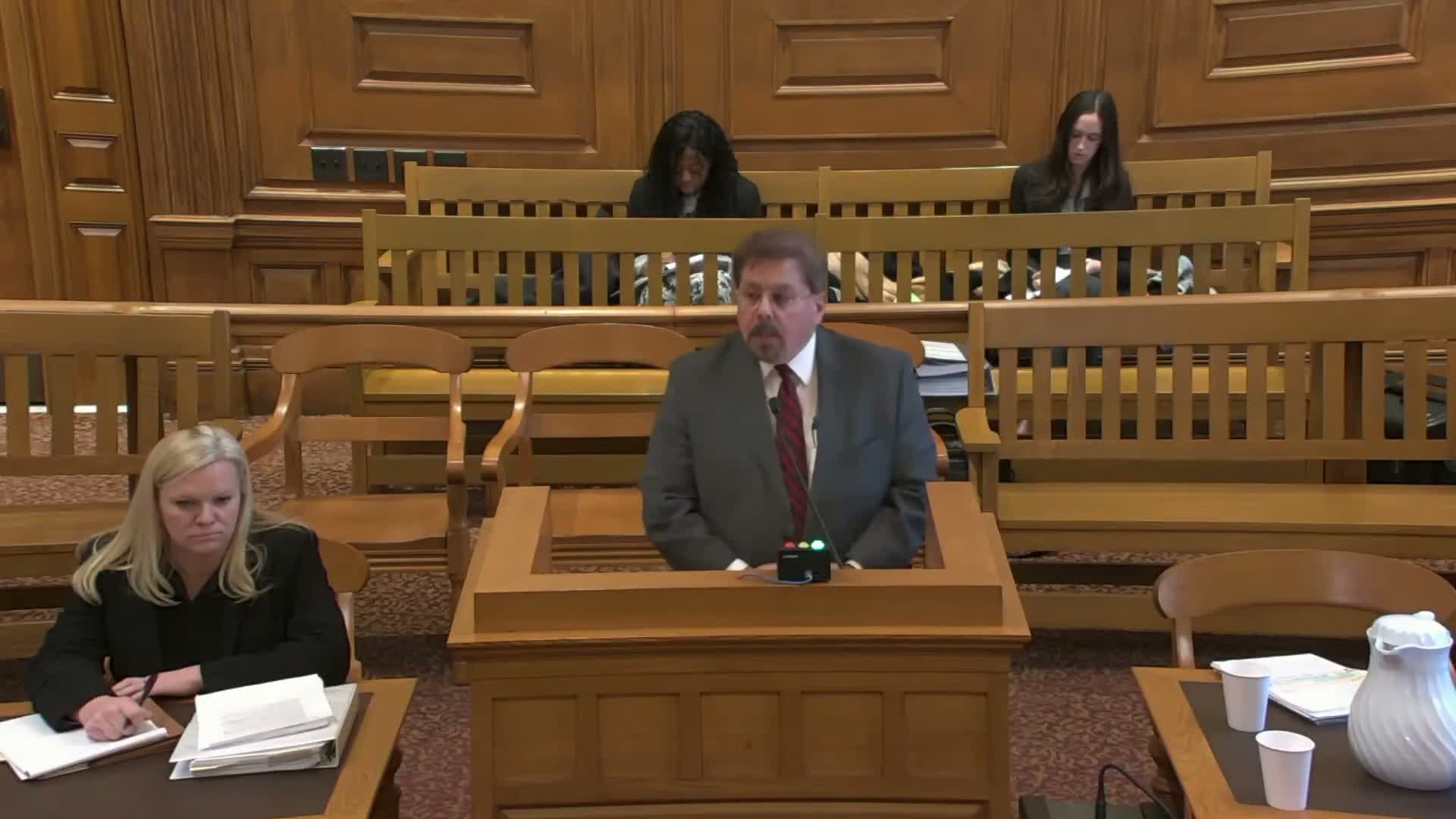
The panel heard argument in David Ladd v. Alina Bosch over whether the trial court erred in admitting testimony tied to a document Giordano called a trial‑generated invoice and whether the abusive‑process and related damages determinations should stand.
Philip Giordano, counsel for the appellant identified in the transcript as representing Alina Bosch, criticized the trial proof of damages. He told the court the document shown to a witness during trial was not an ordinary business invoice and was generated for trial, describing it as "not an invoice… a piece of paper that's generated simply to try to find some way" to support a damages number that matched the jury's award. Giordano argued the underlying contemporaneous time records and originals were never produced and that the trial court should have stricken testimony derived from the disputed document.
Shannon Slaughter, representing Ralph Ladd, defended the trial court's rulings. Slaughter relied on precedents the parties cited (Akbarian/Apkarian and Viper Ventures in the transcript) and argued that when documentary evidence is excluded for disclosure reasons, alternate testimony — including a long‑involved bookkeeper's testimony about legal fees — can supply an admissible basis. Slaughter characterized the termination email and surrounding conduct as evidence of an ulterior purpose to drive litigation costs and said the abusive‑process and "leverage" theory were for the jury to consider.
Justices asked whether bifurcation or reserving damages to the judge would have avoided the evidentiary dispute, whether the witness's testimony was genuinely independent of the excluded document, and whether any prejudice to the defendants was cured. Counsel pointed to post‑trial motions and a motion for remittitur identifying specific entries the appellant alleges were inaccurate. The panel submitted the matter for decision without announcing a ruling from the bench.
Philip Giordano, counsel for the appellant identified in the transcript as representing Alina Bosch, criticized the trial proof of damages. He told the court the document shown to a witness during trial was not an ordinary business invoice and was generated for trial, describing it as "not an invoice… a piece of paper that's generated simply to try to find some way" to support a damages number that matched the jury's award. Giordano argued the underlying contemporaneous time records and originals were never produced and that the trial court should have stricken testimony derived from the disputed document.
Shannon Slaughter, representing Ralph Ladd, defended the trial court's rulings. Slaughter relied on precedents the parties cited (Akbarian/Apkarian and Viper Ventures in the transcript) and argued that when documentary evidence is excluded for disclosure reasons, alternate testimony — including a long‑involved bookkeeper's testimony about legal fees — can supply an admissible basis. Slaughter characterized the termination email and surrounding conduct as evidence of an ulterior purpose to drive litigation costs and said the abusive‑process and "leverage" theory were for the jury to consider.
Justices asked whether bifurcation or reserving damages to the judge would have avoided the evidentiary dispute, whether the witness's testimony was genuinely independent of the excluded document, and whether any prejudice to the defendants was cured. Counsel pointed to post‑trial motions and a motion for remittitur identifying specific entries the appellant alleges were inaccurate. The panel submitted the matter for decision without announcing a ruling from the bench.
Don't Miss a Word: See the Full Meeting!
Go beyond summaries. Unlock every video, transcript, and key insight with a Founder Membership.
✓
Get instant access to full meeting videos
✓
Search and clip any phrase from complete transcripts
✓
Receive AI-powered summaries & custom alerts
✓
Enjoy lifetime, unrestricted access to government data
30-day money-back guarantee
