RSU 9 board approves boosters' $1.6M fundraising plan for possible synthetic turf after hours-long debate
January 23, 2024 | Howard County, Maryland
This article was created by AI summarizing key points discussed. AI makes mistakes, so for full details and context, please refer to the video of the full meeting. Please report any errors so we can fix them. Report an error »
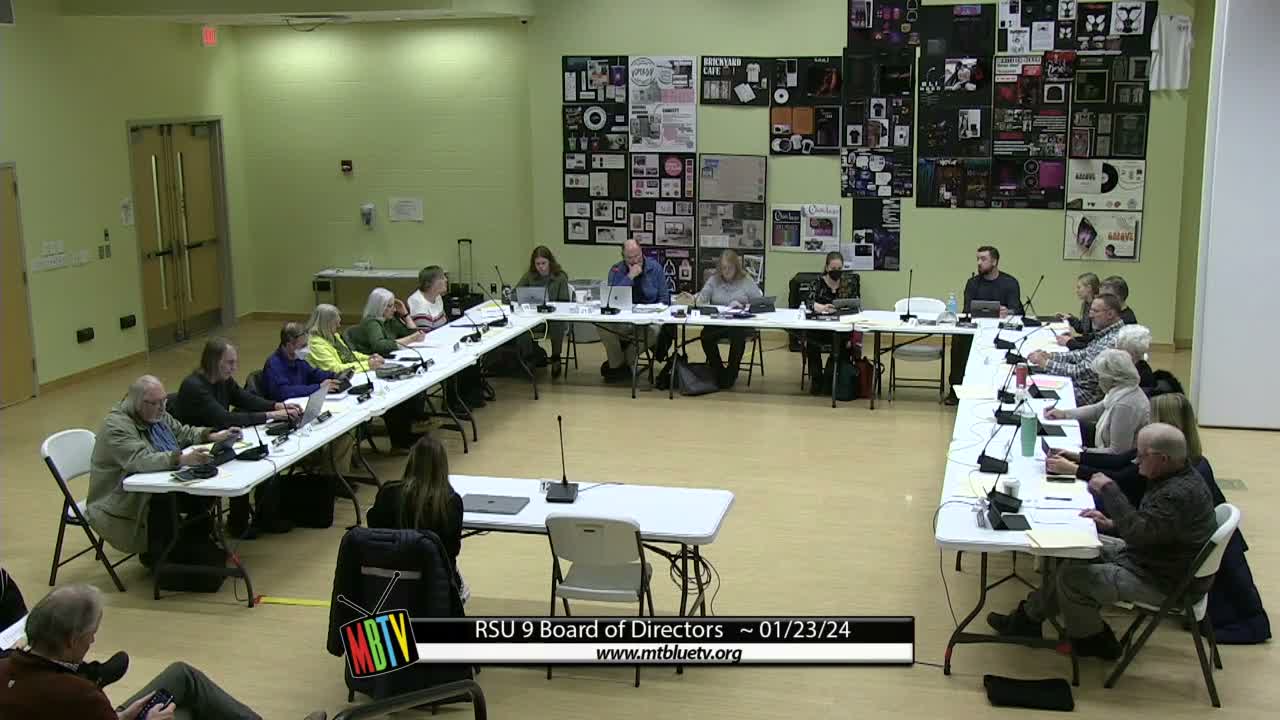
The RSU 9 school board voted to approve a fundraising plan from the sports boosters that authorizes solicitation for up to $1.6 million to convert the district competition field to synthetic turf, but did not authorize construction or purchase.
The vote followed extended discussion in which boosters and board members reviewed projected usage, maintenance costs and health and environmental concerns. Matt Casavant, the boosters’ representative, said the plan would let the boosters “raise the money to convert to turf” and presented an estimate of a $1.6 million total project cost. He said naming-rights and tiered donations would cover parts of the total and that boosters had already invested time and about $25,000 in preliminary work.
Board members challenged the proposal on several fronts. Jeff Barnum and others pressed for a clearer, apples-to-apples comparison of annual maintenance and replacement costs; one board member cautioned that turf lifespans vary and that replacement costs in a decade could be “300 to 600,000,” a figure he called significant for taxpayers. Several board members and community speakers raised potential health and environmental risks, citing PFAS, microplastics and questions about recyclability. A board member quoted LD 217 and noted that Maine’s new restrictions on PFAS sales beginning in 2025 would affect what products can be used.
Student and coach voices also appeared. A senior athlete said the existing field has become a “mud pit” and argued that turf would allow teams to practice and remain competitive. Booster supporters and a coach noted the number of home games and lost playing time and emphasized volunteer hours spent researching options.
Board member Scott Erb moved to approve the fundraising plan as written (limited to the named fundraising and naming-rights breakdown); the motion was seconded by Gloria McGraw. The board conducted a roll-call vote and the motion passed. The chair and administration clarified several times that the vote authorized fundraising activity only; any final choice of turf product, vendor or installation would require future administrative review and a formal board vote.
Next steps the board outlined included regular updates from administration and booster representatives and additional research on product specifications, maintenance scheduling and environmental testing requirements before any procurement or construction decision.
The discussion underscored competing priorities: preserving field usability and community athletics while seeking more definitive information about long-term costs and health or environmental impacts. The board’s action clears the boosters to begin external fundraising but leaves the final installation decision to later formal board approval.
The vote followed extended discussion in which boosters and board members reviewed projected usage, maintenance costs and health and environmental concerns. Matt Casavant, the boosters’ representative, said the plan would let the boosters “raise the money to convert to turf” and presented an estimate of a $1.6 million total project cost. He said naming-rights and tiered donations would cover parts of the total and that boosters had already invested time and about $25,000 in preliminary work.
Board members challenged the proposal on several fronts. Jeff Barnum and others pressed for a clearer, apples-to-apples comparison of annual maintenance and replacement costs; one board member cautioned that turf lifespans vary and that replacement costs in a decade could be “300 to 600,000,” a figure he called significant for taxpayers. Several board members and community speakers raised potential health and environmental risks, citing PFAS, microplastics and questions about recyclability. A board member quoted LD 217 and noted that Maine’s new restrictions on PFAS sales beginning in 2025 would affect what products can be used.
Student and coach voices also appeared. A senior athlete said the existing field has become a “mud pit” and argued that turf would allow teams to practice and remain competitive. Booster supporters and a coach noted the number of home games and lost playing time and emphasized volunteer hours spent researching options.
Board member Scott Erb moved to approve the fundraising plan as written (limited to the named fundraising and naming-rights breakdown); the motion was seconded by Gloria McGraw. The board conducted a roll-call vote and the motion passed. The chair and administration clarified several times that the vote authorized fundraising activity only; any final choice of turf product, vendor or installation would require future administrative review and a formal board vote.
Next steps the board outlined included regular updates from administration and booster representatives and additional research on product specifications, maintenance scheduling and environmental testing requirements before any procurement or construction decision.
The discussion underscored competing priorities: preserving field usability and community athletics while seeking more definitive information about long-term costs and health or environmental impacts. The board’s action clears the boosters to begin external fundraising but leaves the final installation decision to later formal board approval.
Don't Miss a Word: See the Full Meeting!
Go beyond summaries. Unlock every video, transcript, and key insight with a Founder Membership.
✓
Get instant access to full meeting videos
✓
Search and clip any phrase from complete transcripts
✓
Receive AI-powered summaries & custom alerts
✓
Enjoy lifetime, unrestricted access to government data
30-day money-back guarantee
