Literacy audit recommends more small‑group phonics, independent assessments and district writing plan
May 14, 2024 | Howard County, Maryland
This article was created by AI summarizing key points discussed. AI makes mistakes, so for full details and context, please refer to the video of the full meeting. Please report any errors so we can fix them. Report an error »
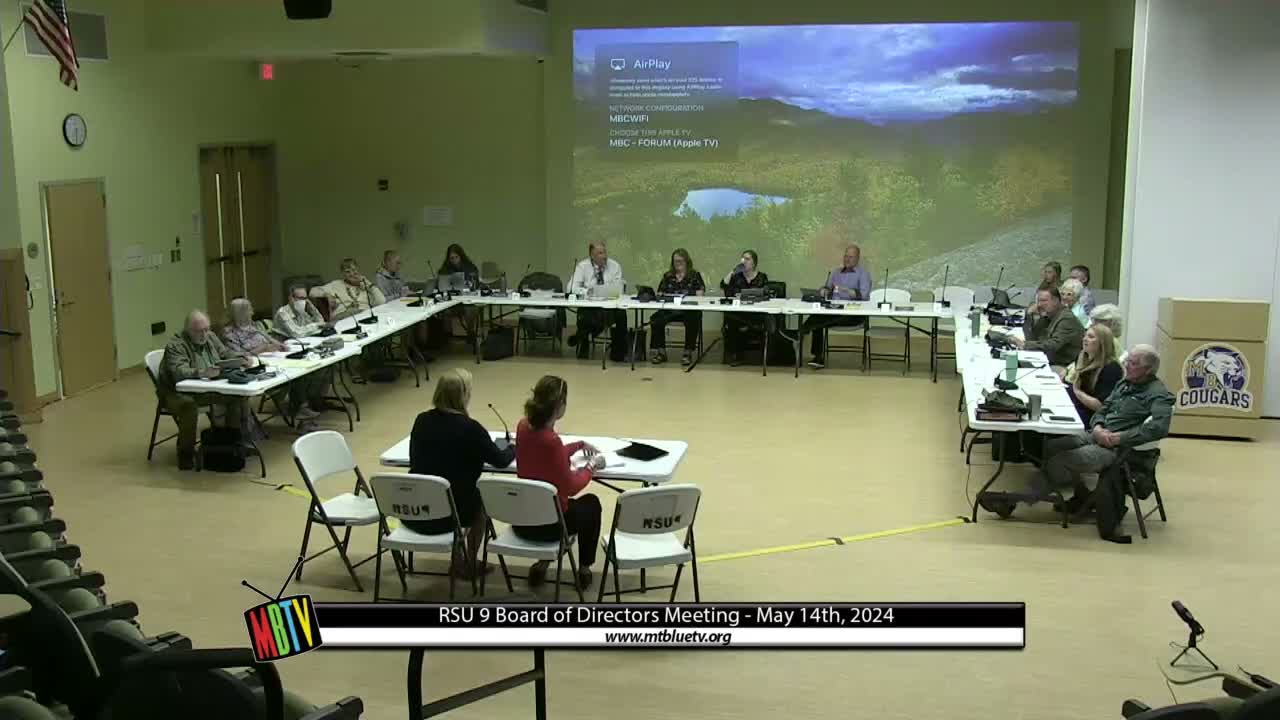
Carrie Thurston, a literacy consultant engaged by RSU 9, presented findings from a K–5 literacy audit funded with approximately $155,000 in state literacy support funds. Thurston said the audit combined site visits, classroom observations and more than 150 pages of survey responses and recommended several priorities: shift K–2 assessment reporting to independent levels for better trajectory tracking; increase explicit code (phonics) instruction, delivered in smaller, data‑driven groups rather than whole‑group lessons; develop a districtwide writing curriculum; and strengthen MTSS (multi‑tiered system of supports) data practices to reduce the number of students requiring intervention outside the classroom.
Thurston said K–2 classrooms generally provide about 90 minutes of daily literacy instruction but that instructional time is inconsistent classroom‑to‑classroom. She recommended more triangulation of data at the early grades (including use of screening tools) and cautioned that some specials (band, orchestra, chorus) regularly interrupt literacy blocks in grades 3–5, which reduces teaching time. She estimated that across grade levels 20–46% of students receive intervention beyond the classroom, signaling a need to strengthen Tier‑1 instruction.
Board members and district leaders acknowledged the compressed timeline for spending the state funds: expenditures must be allocated by Sept. 30. District staff said they will prioritize recommendations, use summer planning and phased implementation into the coming year, and designate leadership roles (literacy and math leads) and an MTSS committee to support rollout. The board agreed to review priorities and implement the audit recommendations incrementally rather than all at once.
Thurston also recommended principals participate in targeted professional development so they can better support classroom instruction and suggested leveraging strong libraries and intervention resources in the district. The board did not vote on policy changes at the meeting; members thanked Thurston and discussed next steps for prioritization and summer planning.
Thurston said K–2 classrooms generally provide about 90 minutes of daily literacy instruction but that instructional time is inconsistent classroom‑to‑classroom. She recommended more triangulation of data at the early grades (including use of screening tools) and cautioned that some specials (band, orchestra, chorus) regularly interrupt literacy blocks in grades 3–5, which reduces teaching time. She estimated that across grade levels 20–46% of students receive intervention beyond the classroom, signaling a need to strengthen Tier‑1 instruction.
Board members and district leaders acknowledged the compressed timeline for spending the state funds: expenditures must be allocated by Sept. 30. District staff said they will prioritize recommendations, use summer planning and phased implementation into the coming year, and designate leadership roles (literacy and math leads) and an MTSS committee to support rollout. The board agreed to review priorities and implement the audit recommendations incrementally rather than all at once.
Thurston also recommended principals participate in targeted professional development so they can better support classroom instruction and suggested leveraging strong libraries and intervention resources in the district. The board did not vote on policy changes at the meeting; members thanked Thurston and discussed next steps for prioritization and summer planning.
View the Full Meeting & All Its Details
This article offers just a summary. Unlock complete video, transcripts, and insights as a Founder Member.
✓
Watch full, unedited meeting videos
✓
Search every word spoken in unlimited transcripts
✓
AI summaries & real-time alerts (all government levels)
✓
Permanent access to expanding government content
30-day money-back guarantee
