Regional food access plan: steering committee recommends targeting SNAP/WIC enrollment and improved pantry outreach
May 15, 2023 | Summit County Health Department, Summit County Commission and Boards, Summit County, Utah
This article was created by AI summarizing key points discussed. AI makes mistakes, so for full details and context, please refer to the video of the full meeting. Please report any errors so we can fix them. Report an error »
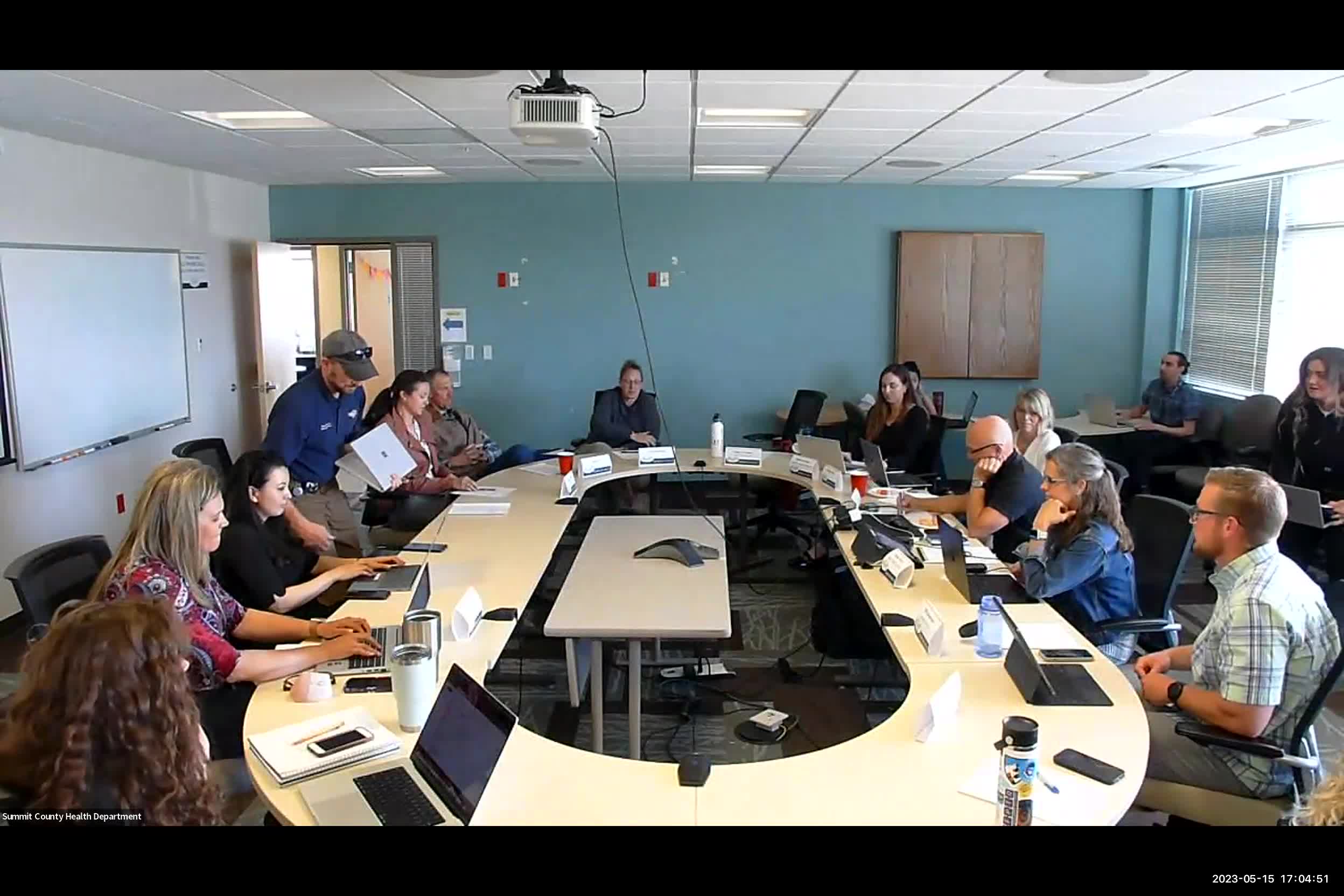
Tabitha and Natalie McHale presented a regional food access assessment carried out with Wasatch and Utah counties and consultant Health Management Associates. The project combined key informant interviews, focus groups and about 200 resident surveys to identify barriers and recommend actions.
"From those resident surveys, which we had about equal representation from each county...we were able to identify 4 main barriers to food access, which are rising cost of living, location and access, awareness of resources, and stigma," Natalie McHale said. Based on the consultant's findings and stakeholder meetings, the steering group voted to prioritize: (1) targeted outreach and enrollment in WIC and SNAP, (2) improved food pantry outreach and engagement, and (3) creation of a resident advisory group to guide implementation.
Presenters told the board enrollment targets and success metrics will be set by the steering committee and the resident advisory group. They described outreach methods already used (partner distribution via community organizations, social media, pantry texting services) and noted a strength of the project is coordination among regional partners; a weakness identified was low SNAP enrollment in Summit County.
What's next: The steering committee will continue meeting to define targets, and a resident advisory committee will be convened to develop a five-year action plan and advise on tactics such as targeted outreach, cooking classes, grocery-rescue coordination and improved online information about pantry locations and hours.
"From those resident surveys, which we had about equal representation from each county...we were able to identify 4 main barriers to food access, which are rising cost of living, location and access, awareness of resources, and stigma," Natalie McHale said. Based on the consultant's findings and stakeholder meetings, the steering group voted to prioritize: (1) targeted outreach and enrollment in WIC and SNAP, (2) improved food pantry outreach and engagement, and (3) creation of a resident advisory group to guide implementation.
Presenters told the board enrollment targets and success metrics will be set by the steering committee and the resident advisory group. They described outreach methods already used (partner distribution via community organizations, social media, pantry texting services) and noted a strength of the project is coordination among regional partners; a weakness identified was low SNAP enrollment in Summit County.
What's next: The steering committee will continue meeting to define targets, and a resident advisory committee will be convened to develop a five-year action plan and advise on tactics such as targeted outreach, cooking classes, grocery-rescue coordination and improved online information about pantry locations and hours.
View the Full Meeting & All Its Details
This article offers just a summary. Unlock complete video, transcripts, and insights as a Founder Member.
✓
Watch full, unedited meeting videos
✓
Search every word spoken in unlimited transcripts
✓
AI summaries & real-time alerts (all government levels)
✓
Permanent access to expanding government content
30-day money-back guarantee
