Ambulance leaders tell Arkansas senators EMS system is in crisis, request sustainable funding
February 07, 2022 | PUBLIC HEALTH, WELFARE AND LABOR COMMITTEE - SENATE, Senate, Committees, Legislative, Arkansas
This article was created by AI summarizing key points discussed. AI makes mistakes, so for full details and context, please refer to the video of the full meeting. Please report any errors so we can fix them. Report an error »
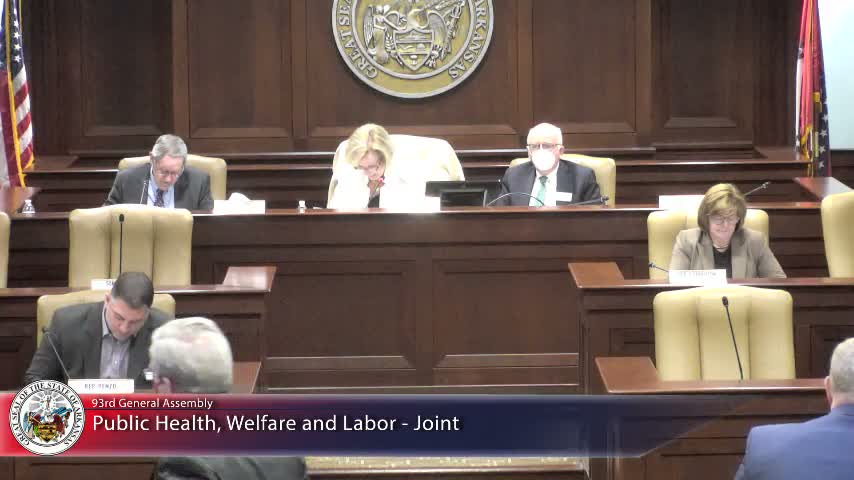
Representatives of Arkansas ambulance providers told the Senate Public Health Committee that the state’s emergency medical services are on the brink of collapse unless legislators provide sustained support to stabilize staffing and reimbursements.
Ken Kelly, president and CEO of ProMed Ambulance, Jamie Pafford Gresham (Pafford Medical Services) and Amanda Newton (Columbia County Ambulance) said ambulance services now face a combination of workforce attrition, rising supply and staffing costs, and the operational effects of hospital 'wall time' that leave crews tied up at facilities rather than available for new calls.
Key figures offered to the committee included: more than 1,000,000 lives touched by EMS during the pandemic; an estimated 300,000 treat‑no‑transport contacts that produced uncompensated care; average lost revenue per treat‑no‑transport of about $456; decontamination costs exceeding about $18 per transport; and claims that the active prehospital workforce has fallen from nearly 8,000 licensed individuals to roughly 3,000 who are actively working in the field.
Panelists urged a two‑part response: near‑term funding to preserve coverage and offset pandemic‑related costs and a longer‑term workforce plan including training grants, 'earn while you learn' programs, adjustments to licensure and expansion of clinical training capacity. They described an ambulance alliance plan that could move resources to surge areas but said it had not been implemented.
Legislators asked whether counties or hospitals subsidize services (panelists said most services are private and receive little county support; about 20% are hospital‑licensed) and whether Medicaid can reimburse for treatment‑in‑place. The providers said states can activate Medicaid codes or request federal waivers to reimburse non‑transport care but that prior attempts at short‑term relief had not addressed systemic sustainability.
"Ambulance services are struggling to maintain vital coverage," Kelly said, adding that services are "tired, weary" and urgently need long‑term fixes rather than short one‑time payments.
Ken Kelly, president and CEO of ProMed Ambulance, Jamie Pafford Gresham (Pafford Medical Services) and Amanda Newton (Columbia County Ambulance) said ambulance services now face a combination of workforce attrition, rising supply and staffing costs, and the operational effects of hospital 'wall time' that leave crews tied up at facilities rather than available for new calls.
Key figures offered to the committee included: more than 1,000,000 lives touched by EMS during the pandemic; an estimated 300,000 treat‑no‑transport contacts that produced uncompensated care; average lost revenue per treat‑no‑transport of about $456; decontamination costs exceeding about $18 per transport; and claims that the active prehospital workforce has fallen from nearly 8,000 licensed individuals to roughly 3,000 who are actively working in the field.
Panelists urged a two‑part response: near‑term funding to preserve coverage and offset pandemic‑related costs and a longer‑term workforce plan including training grants, 'earn while you learn' programs, adjustments to licensure and expansion of clinical training capacity. They described an ambulance alliance plan that could move resources to surge areas but said it had not been implemented.
Legislators asked whether counties or hospitals subsidize services (panelists said most services are private and receive little county support; about 20% are hospital‑licensed) and whether Medicaid can reimburse for treatment‑in‑place. The providers said states can activate Medicaid codes or request federal waivers to reimburse non‑transport care but that prior attempts at short‑term relief had not addressed systemic sustainability.
"Ambulance services are struggling to maintain vital coverage," Kelly said, adding that services are "tired, weary" and urgently need long‑term fixes rather than short one‑time payments.
View the Full Meeting & All Its Details
This article offers just a summary. Unlock complete video, transcripts, and insights as a Founder Member.
✓
Watch full, unedited meeting videos
✓
Search every word spoken in unlimited transcripts
✓
AI summaries & real-time alerts (all government levels)
✓
Permanent access to expanding government content
30-day money-back guarantee
