Property-management licensure bill draws split testimony, left pending after recess
April 04, 2023 | INSURANCE & COMMERCE - SENATE, Senate, Committees, Legislative, Arkansas
This article was created by AI summarizing key points discussed. AI makes mistakes, so for full details and context, please refer to the video of the full meeting. Please report any errors so we can fix them. Report an error »
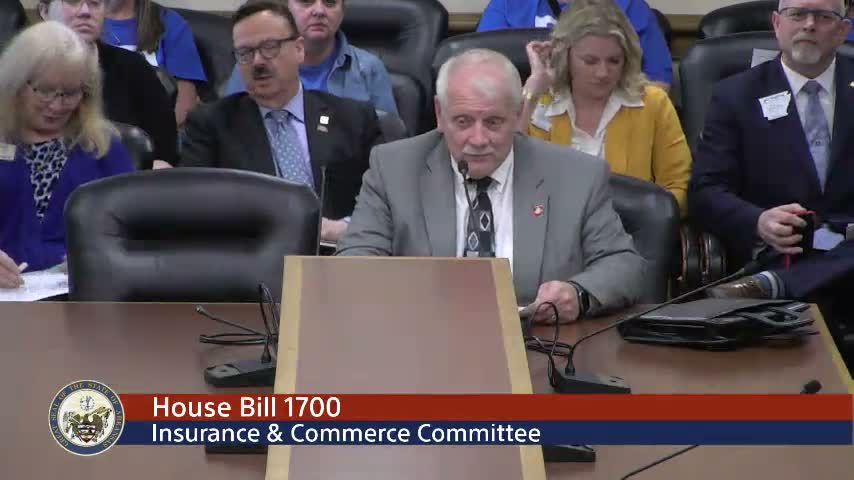
House Bill 1,700, presented Tuesday to the Senate Insurance & Commerce committee by Rep. Richard McGrew, proposes a narrow exemption from Arkansas real-estate licensure requirements for individuals who have at least two years' experience managing 50 or more units or hold a national certification, are not felons and maintain a $100,000 fidelity bond.
"This is a very narrow exclusion," Rep. McGrew said. He described a shortage of property managers willing to work low-rent units and said the waiver process administered by the real-estate commission has not resolved the access problem. The Department of Labor and Licensing testified the bill would reduce barriers to workforce entry while maintaining safeguards such as a fidelity bond and exclusion of felons.
Opponents including Stacy Hamilton, a Little Rock broker who also manages properties, warned removing licensure would reduce public oversight and weaken tenant protections. "By removing the requirement for licensure, you are disrespecting the professional property managers that are working hard every day in their field to do a good job by the public," Hamilton testified, citing concerns about fair-housing training, fiduciary responsibilities and where tenants would file complaints.
Proponents, including Daniel Brown of Hot Springs, described practical barriers: Brown said he had been prevented from expanding management of low-income units because of licensure rules and broker fees. He said the bill would require experienced managers to carry a fidelity bond and allow national certification in lieu of the two-year broker pathway.
Committee members asked technical questions about when a real-estate sales license is required to manage property and whether a manager must operate under a licensed broker; a Department of Labor and Licensing attorney clarified that current law generally requires management activities for others to be under a licensed broker, which is the contested practice the bill seeks to address. Several members asked whether the bill imposes education requirements; the sponsor said the bill does not add a statutory education mandate but requires either experience or national certification.
The committee recessed for the evening before completing consideration; HB 1,700 had extensive testimony and will return when the committee resumes.
"This is a very narrow exclusion," Rep. McGrew said. He described a shortage of property managers willing to work low-rent units and said the waiver process administered by the real-estate commission has not resolved the access problem. The Department of Labor and Licensing testified the bill would reduce barriers to workforce entry while maintaining safeguards such as a fidelity bond and exclusion of felons.
Opponents including Stacy Hamilton, a Little Rock broker who also manages properties, warned removing licensure would reduce public oversight and weaken tenant protections. "By removing the requirement for licensure, you are disrespecting the professional property managers that are working hard every day in their field to do a good job by the public," Hamilton testified, citing concerns about fair-housing training, fiduciary responsibilities and where tenants would file complaints.
Proponents, including Daniel Brown of Hot Springs, described practical barriers: Brown said he had been prevented from expanding management of low-income units because of licensure rules and broker fees. He said the bill would require experienced managers to carry a fidelity bond and allow national certification in lieu of the two-year broker pathway.
Committee members asked technical questions about when a real-estate sales license is required to manage property and whether a manager must operate under a licensed broker; a Department of Labor and Licensing attorney clarified that current law generally requires management activities for others to be under a licensed broker, which is the contested practice the bill seeks to address. Several members asked whether the bill imposes education requirements; the sponsor said the bill does not add a statutory education mandate but requires either experience or national certification.
The committee recessed for the evening before completing consideration; HB 1,700 had extensive testimony and will return when the committee resumes.
View the Full Meeting & All Its Details
This article offers just a summary. Unlock complete video, transcripts, and insights as a Founder Member.
✓
Watch full, unedited meeting videos
✓
Search every word spoken in unlimited transcripts
✓
AI summaries & real-time alerts (all government levels)
✓
Permanent access to expanding government content
30-day money-back guarantee
