Legislative forum hears experts defend three‑tier alcohol system, warn of delivery, counterfeit and underage risks
November 18, 2021 | CITY, COUNTY & LOCAL AFFAIRS COMMITTEE - SENATE, Senate, Committees, Legislative, Arkansas
This article was created by AI summarizing key points discussed. AI makes mistakes, so for full details and context, please refer to the video of the full meeting. Please report any errors so we can fix them. Report an error »
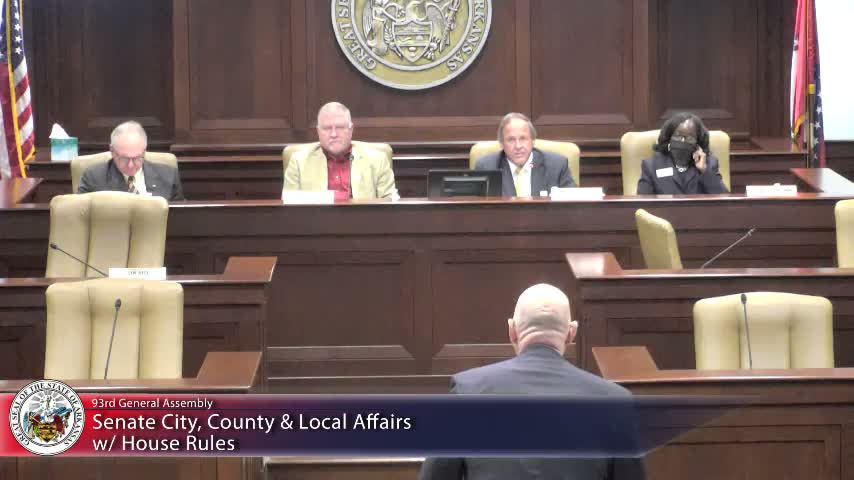
Legislators on the Senate City, County & Local Affairs Committee and the House Committee on Rules on a joint panel heard experts Monday defend the state‑based three‑tier system for alcohol regulation and raise concerns about expanding direct‑to‑consumer and interstate shipping.
The most immediate takeaway for lawmakers: presenters said the three‑tier system — manufacturers to wholesalers to retailers — gives regulators trackability, helps collect excise taxes and curbs counterfeit alcohol, but opening interstate retail shipping or allowing third‑party delivery without permits can undermine those controls.
Patrick Maroney, former director of the Colorado Liquor Enforcement Division, described the three‑tier structure as a long‑standing regulatory framework designed to “allow you to monitor the alcohol. You know where it is all the time, where it’s at, who’s selling it.” He pointed to benefits including tax collection, independent wholesalers who can detect counterfeit product and a marketplace that supports craft entrants.
Wholesale and retail witnesses told the committee that third‑party delivery and unregulated e‑commerce create serious enforcement challenges. Stan Hastings of Moon Distributors said Arkansas law currently requires the delivering person to be an employee of the licensed retail outlet and stressed that third‑party companies generally lack permits and therefore cannot be sanctioned: “The Arkansas law that you passed does not allow for third party delivery,” he told the committee.
Panelists cited enforcement operations and studies to quantify the risk. Maroney summarized a North Carolina undercover operation in which regulators executed 18 deliveries and “there were 5 situations where the liquor was given to the minor.” He also referenced a California operation during the COVID period that recorded high failure rates for third‑party delivery verification, a point the attorney general’s office and retailers echoed as evidence that unregulated shipments can widen underage access and produce a large share of unlicensed shipments.
Speakers also warned of counterfeit and tainted product risks in open internet markets. Brian Bowen, chief of staff in the attorney general’s office, said counterfeit complaints have surged nationally and that some e‑commerce listings provide little identifying information for regulators trying to track sellers and recall bad products.
Committee members repeatedly returned to enforcement and revenue concerns: witnesses said interstate and unlicensed shipments can reduce excise and sales tax collection, complicate recalls and make it harder to hold shippers accountable across state lines. Panelists urged lawmakers to consider enforcement funding, licensing requirements for every entity touching alcohol, and targeted rules for third‑party delivery to preserve accountability.
No formal votes or policy changes were taken at the session. Presenters left handouts and offered to provide further data and reports to committee staff, and the committees adjourned after closing remarks.
The most immediate takeaway for lawmakers: presenters said the three‑tier system — manufacturers to wholesalers to retailers — gives regulators trackability, helps collect excise taxes and curbs counterfeit alcohol, but opening interstate retail shipping or allowing third‑party delivery without permits can undermine those controls.
Patrick Maroney, former director of the Colorado Liquor Enforcement Division, described the three‑tier structure as a long‑standing regulatory framework designed to “allow you to monitor the alcohol. You know where it is all the time, where it’s at, who’s selling it.” He pointed to benefits including tax collection, independent wholesalers who can detect counterfeit product and a marketplace that supports craft entrants.
Wholesale and retail witnesses told the committee that third‑party delivery and unregulated e‑commerce create serious enforcement challenges. Stan Hastings of Moon Distributors said Arkansas law currently requires the delivering person to be an employee of the licensed retail outlet and stressed that third‑party companies generally lack permits and therefore cannot be sanctioned: “The Arkansas law that you passed does not allow for third party delivery,” he told the committee.
Panelists cited enforcement operations and studies to quantify the risk. Maroney summarized a North Carolina undercover operation in which regulators executed 18 deliveries and “there were 5 situations where the liquor was given to the minor.” He also referenced a California operation during the COVID period that recorded high failure rates for third‑party delivery verification, a point the attorney general’s office and retailers echoed as evidence that unregulated shipments can widen underage access and produce a large share of unlicensed shipments.
Speakers also warned of counterfeit and tainted product risks in open internet markets. Brian Bowen, chief of staff in the attorney general’s office, said counterfeit complaints have surged nationally and that some e‑commerce listings provide little identifying information for regulators trying to track sellers and recall bad products.
Committee members repeatedly returned to enforcement and revenue concerns: witnesses said interstate and unlicensed shipments can reduce excise and sales tax collection, complicate recalls and make it harder to hold shippers accountable across state lines. Panelists urged lawmakers to consider enforcement funding, licensing requirements for every entity touching alcohol, and targeted rules for third‑party delivery to preserve accountability.
No formal votes or policy changes were taken at the session. Presenters left handouts and offered to provide further data and reports to committee staff, and the committees adjourned after closing remarks.
Don't Miss a Word: See the Full Meeting!
Go beyond summaries. Unlock every video, transcript, and key insight with a Founder Membership.
✓
Get instant access to full meeting videos
✓
Search and clip any phrase from complete transcripts
✓
Receive AI-powered summaries & custom alerts
✓
Enjoy lifetime, unrestricted access to government data
30-day money-back guarantee
